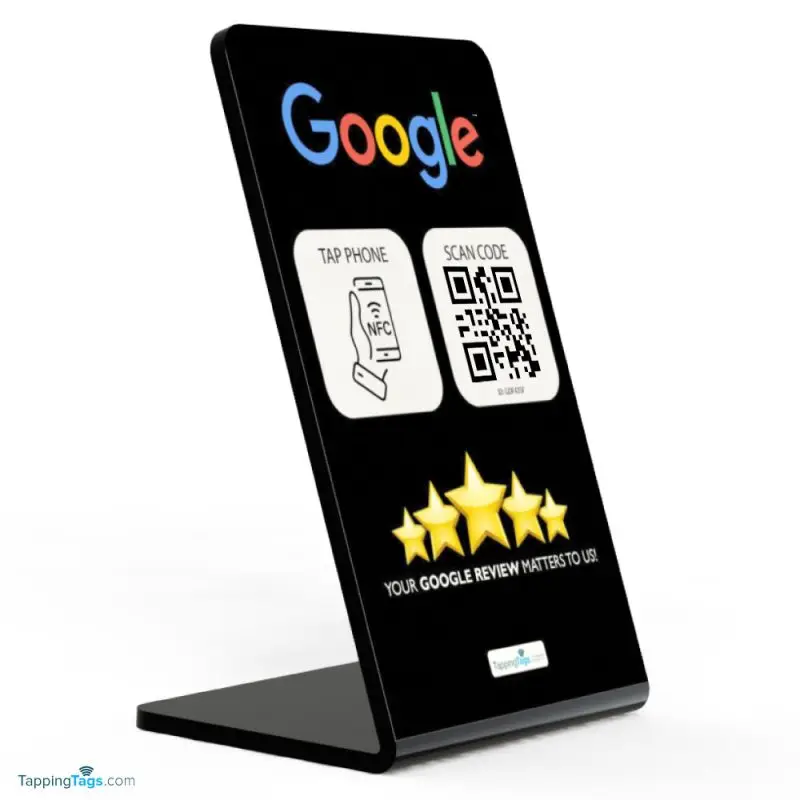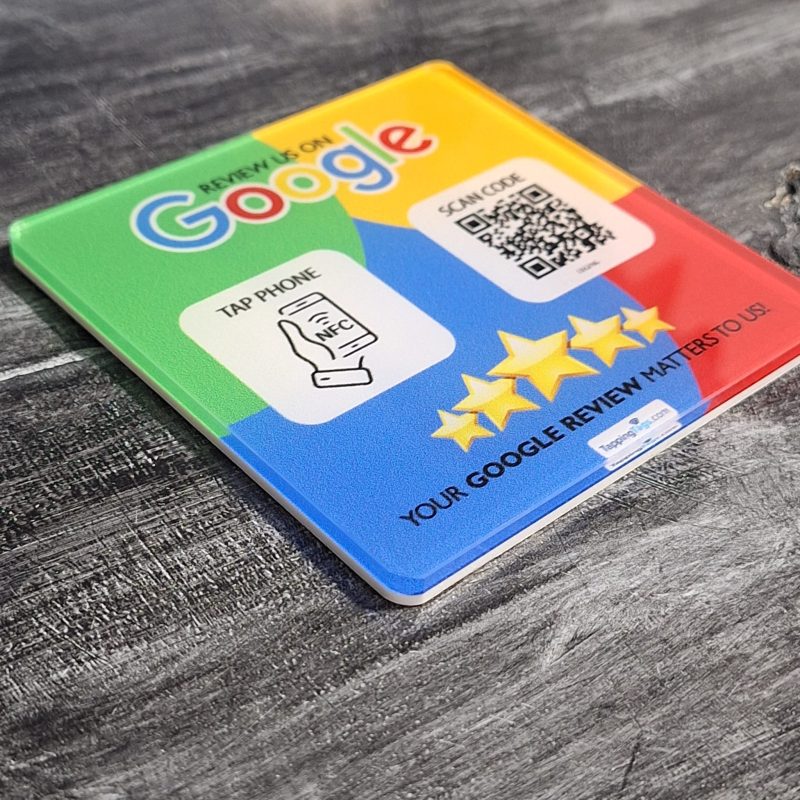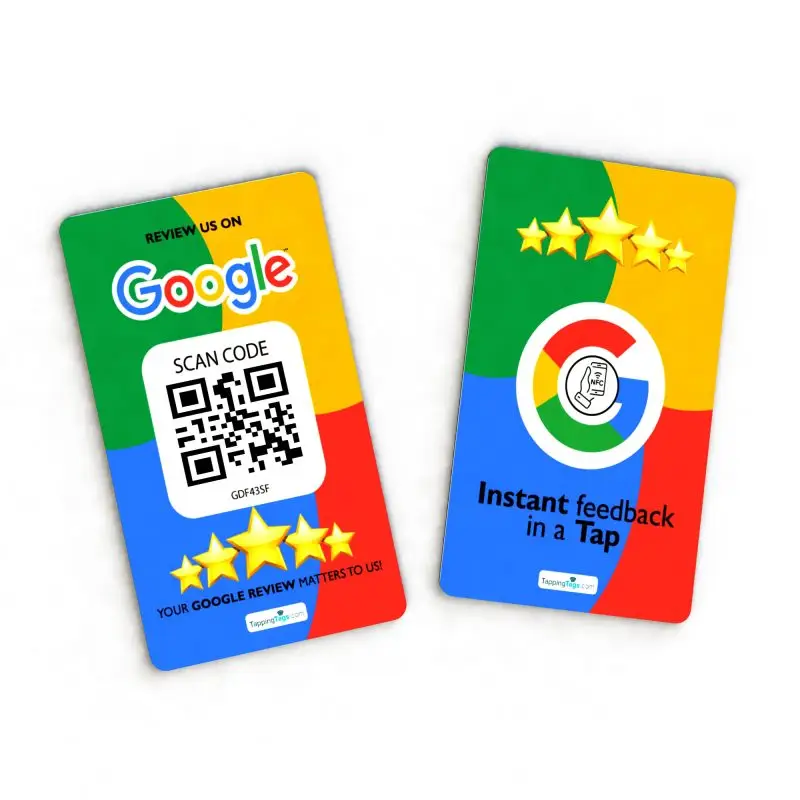
Collecting customer reviews can skyrocket your business’s credibility—but are you doing it right? Top Review Collection Mistakes to Avoid is a must-read for any business owner looking to boost their online presence without falling into common traps. At Tapping Tags, we’ve revolutionized customer feedback with our Google Review NFC cards, making it easier than ever to collect reviews with just a tap. But even with the best tools, mistakes in the review collection process can cost you valuable feedback and trust.
Some of the most damaging mistakes include asking for reviews at the wrong time, using complicated methods, and ignoring negative feedback. These errors can lead to fewer responses, poor ratings, and even platform penalties. This article breaks down the top pitfalls and shows you how to avoid them using smart strategies and tools like Tapping Tags’ NFC cards.
Renowned marketing expert Neil Patel once said, “Your brand is what people say about you when you’re not in the room.” So, are you collecting the right kind of feedback to shape that conversation? Let’s dive into the most common review collection mistakes and how you can sidestep them to build a stronger, more trusted brand.
Understanding the Importance of Review Collection
Customer reviews play a vital role in shaping purchasing decisions. They build trust, influence perception, and drive conversions. According to BrightLocal, 87% of consumers read online reviews for local businesses. Even more compelling, 79% trust them as much as personal recommendations.
Search engines also value reviews. Google uses them as a ranking factor in local search results. More positive reviews often lead to higher visibility, which means more traffic and potential sales. A steady stream of feedback signals credibility and relevance to both users and algorithms.
Reviews also enhance your brand’s online reputation. They offer social proof that your product or service delivers value. Businesses with strong review profiles often outperform competitors with fewer or lower-rated reviews.
A Harvard Business School study found that a one-star increase on Yelp can boost revenue by 5% to 9%. That’s a clear indicator of their power. To maintain a strong presence, ensure your review strategy is consistent and authentic.
Explore our shop to see how customer feedback shapes product trust. Learn more about our mission on the about page.
Mistake #1: Not Asking for Reviews at the Right Time
Timing plays a crucial role in collecting meaningful customer reviews. Asking too early can feel intrusive, while waiting too long may lead to missed opportunities. The best moment to request feedback is right after a positive experience—such as a smooth purchase or a helpful support interaction. At this point, the customer is most engaged and likely to respond favorably.
For instance, sending a review request immediately after checkout may seem pushy. Instead, wait until the product is delivered and the customer has had time to use it. On the other hand, waiting weeks can result in forgotten experiences and lower response rates.
To streamline this process, consider using automation tools that trigger review requests based on customer actions. Email marketing platforms or CRM systems can schedule messages after delivery confirmation or service completion. This ensures consistency and saves time.
Integrating smart timing into your review strategy not only boosts response rates but also improves review quality. For more insights into optimizing your customer journey, visit our about page or explore our shop for tools that enhance engagement.
Mistake #2: Using Generic or Impersonal Review Requests
Customers can spot a generic message instantly—and they often ignore it. Impersonal review requests feel automated and insincere. As a result, they rarely inspire action. Instead of boosting your reputation, they can damage trust.
For example, a generic message might say, “Please leave us a review.” It lacks context and connection. In contrast, a personalized message could say, “Hi Sarah, thank you for purchasing the leather keychain! We’d love to hear your thoughts.” This approach feels genuine and shows appreciation.
To improve response rates, tailor each request. Use the customer’s name, mention the product, and express gratitude. Keep the tone friendly and conversational. Timing also matters—send the request shortly after the purchase while the experience is fresh.
Additionally, align your message with your brand voice. Whether you’re a small business or a growing brand, consistency builds trust. For more insights into our approach, visit our about page. If you’re ready to elevate your customer experience, explore our full range on the shop page.
Personalized requests show customers they matter. That small effort can lead to more reviews and stronger loyalty.
Mistake #3: Violating Platform Guidelines
Each major review platform enforces strict policies to maintain credibility. Google prohibits fake, incentivized, or duplicate reviews. Yelp discourages businesses from asking for reviews altogether. Amazon bans compensated reviews unless clearly disclosed and pre-approved. Violating these rules can lead to serious consequences. You risk having reviews removed, your business listing flagged, or even your account suspended.
To stay compliant, always encourage honest, voluntary feedback. Never offer discounts, gifts, or incentives in exchange for reviews. Instead, focus on delivering exceptional service that naturally inspires customers to share their experiences. Use follow-up emails or thank-you pages to gently remind customers to leave a review.
Make sure your team understands each platform’s policies. Regularly audit your review strategy to ensure it aligns with current guidelines. Transparency builds trust and protects your reputation. For more insights into building a strong brand presence, visit our about page. If you’re ready to elevate your customer experience, explore our latest products in the shop. Staying compliant isn’t just smart—it’s essential for long-term success.
Mistake #4: Offering Incentives for Reviews
While encouraging reviews is essential, crossing the line into incentivization can damage your brand’s credibility. Ethical encouragement involves asking for honest feedback without offering rewards. In contrast, unethical incentivization includes discounts, freebies, or gifts in exchange for positive reviews. This practice not only violates many platform policies but also risks penalties or account suspension.
Moreover, incentivized reviews often lack authenticity. Customers can sense when feedback feels forced or biased. This erodes trust and can deter potential buyers. Instead, focus on building genuine relationships with your audience. Send follow-up emails after purchase, kindly requesting a review. Make the process simple and accessible.
You can also highlight real customer stories on your homepage or feature testimonials on your about page. These methods promote transparency and encourage others to share their experiences. Additionally, engage with reviews—both positive and negative—to show you value customer input. This approach fosters loyalty and builds long-term trust.
Mistake #5: Ignoring Negative Reviews
Ignoring negative feedback can silently damage your brand’s reputation. Every review, especially the negative ones, deserves a thoughtful response. When businesses stay silent, customers assume they don’t care. Instead, acknowledge the issue, express empathy, and offer a solution. A simple framework works best: thank the reviewer, apologize sincerely, and explain how you’ll address the concern.
This approach shows accountability and builds trust. Even unhappy customers may return if they feel heard. Moreover, potential buyers often read negative reviews first. Your response can turn hesitation into confidence. Use a calm, respectful tone and avoid defensive language. Keep it brief but meaningful.
Responding professionally also signals that your brand values transparency. Over time, this boosts credibility and encourages more honest feedback. For more insights into our values, visit our About page. If you’re ready to elevate your customer experience, explore our full range on the Shop page. Don’t let silence speak louder than your service.
Mistake #6: Not Monitoring or Managing Reviews Regularly
Failing to track reviews consistently can damage your brand’s reputation before you even notice. Negative feedback spreads fast, and without regular monitoring, small issues can escalate quickly. By staying on top of reviews, you can identify patterns, address concerns, and improve customer satisfaction in real time.
Use tools like Google Alerts, ReviewTrackers, or Hootsuite to receive instant notifications. These platforms help you respond promptly and maintain control over your brand image. Set up daily or weekly alerts to avoid missing critical feedback.
For small businesses, assign one team member to check reviews daily and respond within 24 hours. Larger companies should implement a structured workflow with designated roles for monitoring, responding, and escalating issues. This ensures no review goes unnoticed.
Integrating review management into your customer service strategy builds trust and loyalty. It also helps you stay ahead of competitors who may overlook this crucial step. For more on how to enhance your brand presence, visit our about page or explore our shop for smart solutions.
Mistake #7: Focusing Only on One Review Platform
Relying solely on one review platform limits your brand’s visibility and credibility. If that platform experiences issues or policy changes, your reputation could suffer overnight. Diversifying your review presence protects your business and builds trust with a broader audience.
Customers search for reviews on various platforms like Google, Facebook, Yelp, and niche-specific sites. A strong presence across these channels boosts your online authority and improves local SEO. It also increases the chances of potential customers discovering your business.
Encourage satisfied clients to leave feedback on different platforms. Include direct links in follow-up emails or thank-you pages. Rotate the platforms you promote to ensure balanced growth. Train your team to ask for reviews during customer interactions.
Use signage or QR codes in-store to guide users to multiple review sites. You can also integrate review requests into your digital receipts. For more tools to enhance your brand’s visibility, explore our shop or learn more about our solutions.
A diversified review strategy not only strengthens your reputation but also safeguards it from unexpected disruptions.
Mistake #8: Not Leveraging Reviews in Marketing
Positive reviews are powerful assets that can elevate your brand’s credibility. Repurpose them across your website, email campaigns, and social media channels. For instance, feature glowing testimonials on product pages to boost buyer confidence. Share customer quotes in Instagram stories or Facebook posts to increase engagement.
Many successful brands incorporate reviews directly into their ads. A skincare company, for example, might highlight a five-star review in a sponsored video. Similarly, an online retailer could use customer feedback in Google Ads to improve click-through rates. These strategies build trust and drive conversions.
To streamline the process, use tools like Yotpo, Trustpilot, or EmbedSocial. These platforms help you collect, manage, and display reviews seamlessly. They also offer widgets to showcase testimonials on your homepage or landing pages.
Don’t forget to update your content regularly with fresh feedback. This keeps your messaging relevant and authentic. For more ideas, explore our shop or learn more about how we use reviews to connect with our audience.
Best Practices for Ethical and Effective Review Collection
Collecting reviews the right way builds trust and boosts credibility. Always ask for feedback after a genuine customer experience. Avoid offering incentives in exchange for positive reviews. Never post fake testimonials or pressure customers to leave glowing feedback. Instead, encourage honest opinions and respond professionally to all reviews—positive or negative.
Start by auditing your current strategy. Are you requesting reviews at the right time? Do you have a system to monitor and respond? Is your team trained to handle feedback ethically? Use this checklist to evaluate your process:
- Ask for reviews post-purchase or service
- Avoid scripted or misleading requests
- Monitor all platforms regularly
- Respond to reviews promptly and respectfully
- Train staff on ethical review practices
Regular training ensures your team understands the importance of transparency. Host quarterly sessions to refresh knowledge and update on policy changes. Encourage open communication between departments to align goals.
For more insights into building trust, visit our about page. Ready to improve your customer experience? Explore our shop for tools that support ethical engagement.
Frequently Asked Questions (FAQs)
Asking for reviews works best when it’s natural and timely. Right after a positive interaction, send a short message like, “We hope you loved your experience! Would you mind sharing a quick review?” Avoid sounding desperate. A follow-up 2–3 days later is ideal if they haven’t responded.
Never delete or hide negative reviews unless they violate platform rules. Most platforms, like Google and Yelp, prohibit removing reviews unless they’re fake or abusive. Ethically, respond professionally and use criticism to improve.
Review goals vary. Small businesses should aim for 5–10 reviews monthly. Larger companies may target 20–50, depending on customer volume.
To streamline the process, use tools like Podium, Birdeye, or Trustpilot. These platforms automate requests and track feedback efficiently.
If you spot fake reviews, flag them immediately. Provide evidence and follow the platform’s reporting process. Stay persistent but professional.
Avoid asking friends or family for reviews. Platforms detect biased feedback and may penalize your profile.
Encourage detailed reviews by asking specific questions like, “What did you enjoy most?” or “How did our service meet your needs?”
For more insights, visit our about page or explore our shop for tools that support your review strategy.