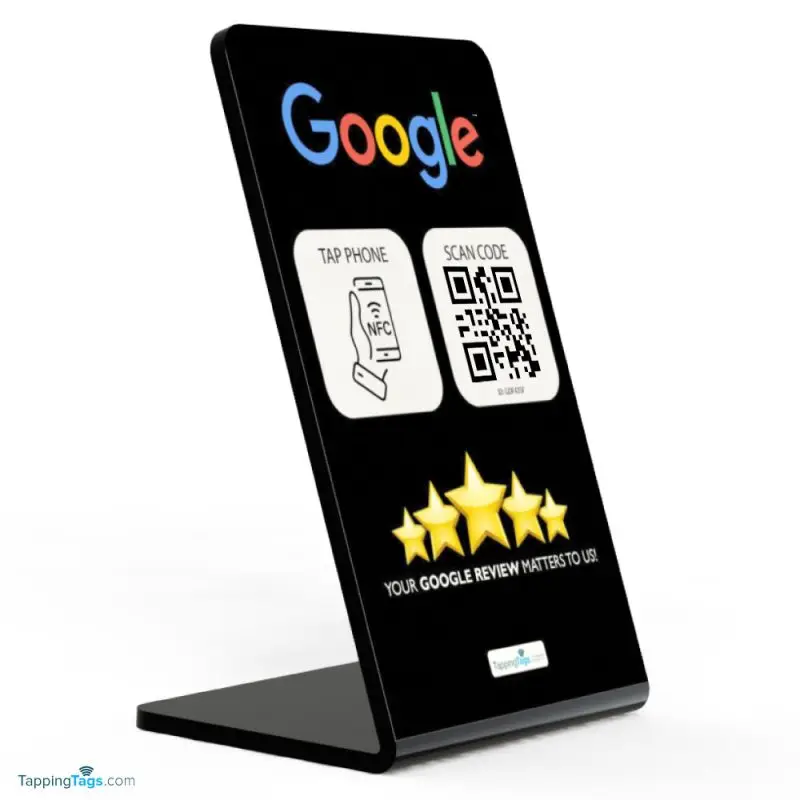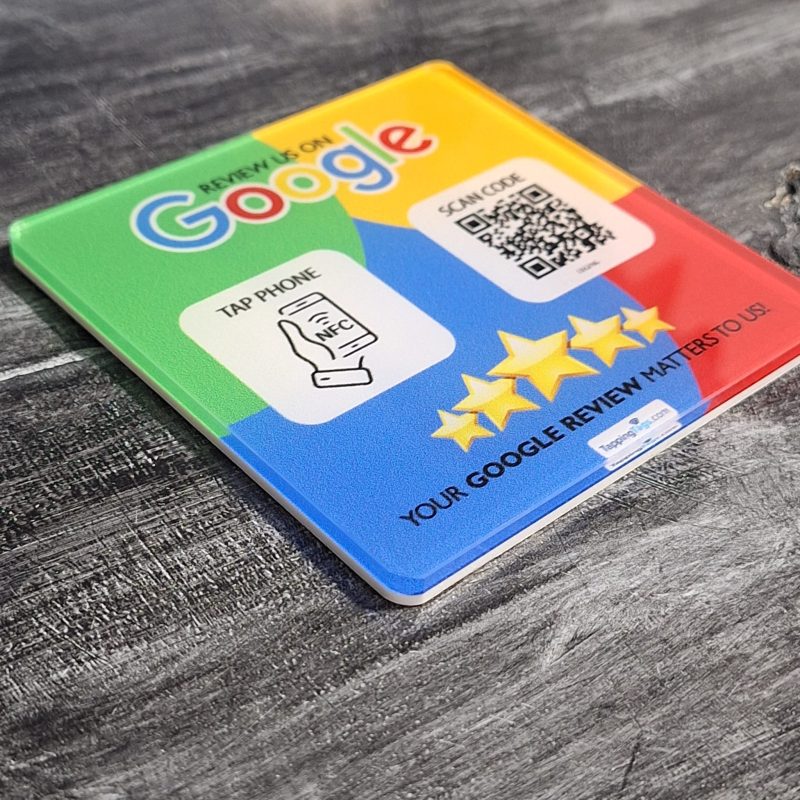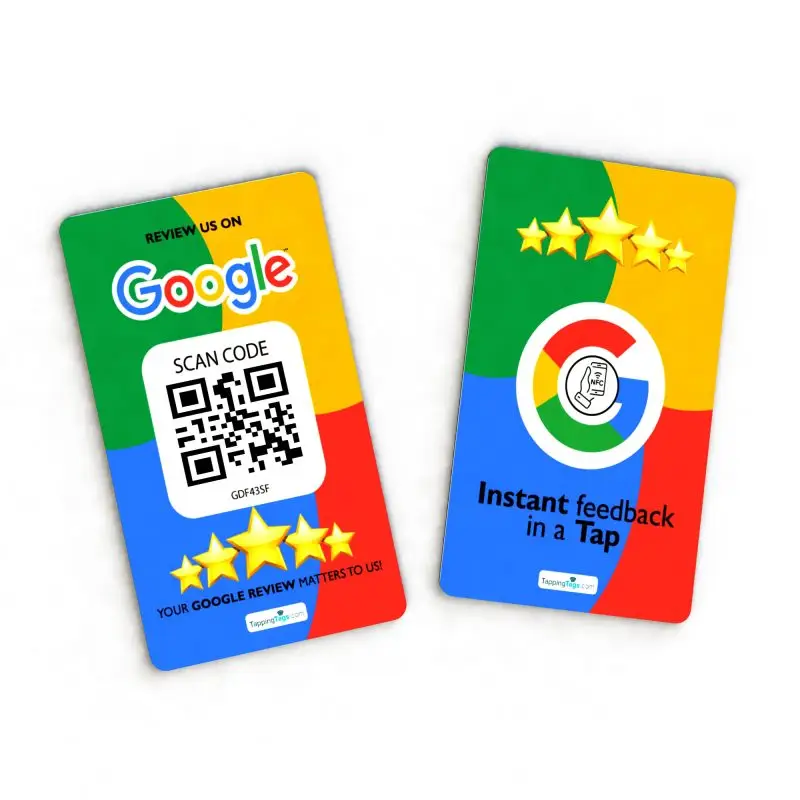
In today’s competitive market, building customer loyalty is more important than ever. One powerful yet often overlooked tool to boost repeat business is the use of NFC cards. If you’re wondering how to use NFC cards to increase repeat clients, you’re in the right place. Tapping Tags, a forward-thinking company revolutionizing customer feedback with NFC technology, offers a smart solution with their Google Review NFC cards. These innovative cards make it incredibly easy for customers to leave instant feedback, helping businesses improve service and build trust. By simply tapping their phone, clients are directed to your Google review page—no apps or complicated steps required. This seamless experience not only enhances customer engagement but also encourages repeat visits by making clients feel heard and valued. Whether you’re in retail, hospitality, or personal services, integrating NFC technology into your customer feedback strategy can significantly boost customer retention and brand loyalty.
Understanding NFC Technology and Its Benefits
Near Field Communication, commonly known as NFC, is a short-range wireless technology that enables communication between two electronic devices when they are within close proximity, typically less than four centimeters. This technology has become increasingly popular in recent years, especially in the realm of contactless payments, smart marketing, and customer engagement strategies. For businesses looking to increase repeat clients, understanding how NFC works and the advantages it offers can be a game-changer.
NFC operates on the principle of electromagnetic induction, allowing data to be transferred between devices without the need for physical contact. Unlike Bluetooth or Wi-Fi, NFC does not require device pairing or manual configuration, making it a seamless and user-friendly solution. This simplicity is one of the key reasons why NFC is being widely adopted in industries such as retail, hospitality, and healthcare.
One of the most compelling benefits of NFC technology is its ability to enhance customer experience. By integrating NFC cards into your business operations, you can offer clients a fast, convenient, and interactive way to engage with your brand. Whether it’s through loyalty programs, digital business cards, or instant access to promotional content, NFC cards can significantly improve customer satisfaction and encourage repeat visits.
According to a report by Statista, the global NFC market is projected to reach over 47 billion USD by 2024, reflecting its growing importance in modern business strategies. This surge is driven by the increasing demand for contactless solutions and the widespread use of smartphones equipped with NFC capabilities. In fact, most modern smartphones now come with built-in NFC functionality, making it easier than ever for consumers to interact with NFC-enabled products and services.
From a business perspective, NFC cards offer several advantages that can directly contribute to customer retention and loyalty. These include:
- Instant Information Sharing: NFC cards can be programmed to share contact details, website links, or product information instantly when tapped by a smartphone. This eliminates the need for printed materials and ensures that clients always have access to the most up-to-date information.
- Seamless Loyalty Programs: Businesses can use NFC cards to create digital loyalty programs where customers earn rewards with each visit or purchase. This not only incentivizes repeat business but also provides valuable data on customer behavior and preferences.
- Enhanced Personalization: By tracking interactions through NFC-enabled systems, businesses can tailor their offerings to individual customer needs, creating a more personalized and engaging experience.
- Cost-Effective Marketing: NFC cards can serve as a powerful marketing tool, allowing businesses to share promotions, event details, or special offers directly to a customer’s phone. This reduces the need for traditional advertising methods and increases the likelihood of customer engagement.
- Eco-Friendly Solution: Since NFC cards reduce the need for paper-based materials, they contribute to more sustainable business practices, which can be a selling point for environmentally conscious consumers.
A practical example of NFC in action can be seen in the hospitality industry, where hotels use NFC cards as room keys and to provide guests with information about amenities, local attractions, and special offers. Similarly, retail stores use NFC tags on products to offer customers detailed information, reviews, and even virtual try-ons, enhancing the shopping experience and encouraging repeat visits.
"NFC technology is not just about convenience; it’s about creating meaningful and lasting connections with customers through personalized and interactive experiences."
Another significant benefit of NFC is its security. NFC transactions are encrypted and require close physical proximity, which reduces the risk of data interception. This makes it a reliable option for businesses that handle sensitive customer information or financial transactions.
To implement NFC technology effectively, businesses should consider investing in high-quality NFC cards and tags that are durable and compatible with a wide range of devices. It’s also important to ensure that the content linked to these cards is mobile-optimized and regularly updated to maintain relevance and engagement.
For those new to NFC, starting with a small-scale implementation—such as using NFC cards for digital business cards or simple loyalty programs—can be a great way to test the waters and understand how customers respond. Over time, the system can be scaled up to include more advanced features and integrations.
If you’re interested in exploring how NFC cards can benefit your business, you can learn more about our offerings by visiting our shop or checking out our about page to understand our mission and values. For personalized assistance, feel free to reach out through our contact-us page.
Several reputable sources support the effectiveness of NFC in business applications:
- According to Juniper Research, the number of NFC-enabled devices is expected to exceed 2.2 billion by 2025, indicating a massive potential user base.
- A study by Deloitte found that 79% of consumers are more likely to engage with brands that offer personalized experiences, which NFC technology can facilitate.
- Research by Accenture shows that 56% of consumers prefer shopping with retailers that offer seamless digital experiences, such as NFC-enabled interactions.
For more in-depth information on NFC technology and its applications, you can refer to external resources such as:
- NFC Forum – The official industry association for NFC technology.
- GSMA – Offers insights into mobile and NFC trends worldwide.
- Statista – Provides up-to-date statistics on NFC adoption and market trends.
In conclusion, NFC technology offers a versatile and effective way to enhance customer engagement and drive repeat business. By leveraging the convenience, personalization, and interactivity that NFC cards provide, businesses can create memorable experiences that keep clients coming back. Whether you’re a small business owner or a large enterprise, integrating NFC into your customer retention strategy can yield significant long-term benefits.
Why NFC Cards Are Effective for Client Retention
NFC cards have emerged as a powerful tool for businesses aiming to boost client retention by offering a seamless and personalized customer experience. These smart cards use Near Field Communication technology to enable instant data transfer when tapped against a compatible device, such as a smartphone. This simple yet effective interaction allows businesses to stay connected with their clients in a more engaging and convenient way. One of the key reasons NFC cards are so effective for client retention is their ability to deliver real-time, relevant information directly to the customer. Whether it’s a digital business card, a loyalty program, or a personalized offer, clients receive immediate value, which increases their likelihood of returning.
Another major advantage of NFC cards is their ability to streamline loyalty programs. Traditional loyalty systems often require physical punch cards or remembering login credentials, which can be cumbersome and easily forgotten. With NFC cards, customers can simply tap their card to access their loyalty points, rewards, or exclusive deals. This ease of use encourages repeat visits and fosters a stronger relationship between the business and the client. Additionally, NFC cards can be updated remotely, allowing businesses to modify offers or share new information without needing to issue new cards. This adaptability ensures that the content remains fresh and relevant, keeping clients engaged over time.
NFC cards also enhance the personalization of customer interactions. By linking the card to a client’s profile or purchase history, businesses can tailor their communication and offers to match individual preferences. This level of customization makes clients feel valued and understood, which is a crucial factor in building long-term loyalty. For example, a salon could use NFC cards to store a client’s preferred services or past appointments, enabling staff to provide a more personalized experience during each visit. This not only improves customer satisfaction but also increases the chances of repeat business.
Moreover, NFC cards contribute to a modern and professional brand image. In today’s digital age, clients expect businesses to adopt innovative technologies that make their lives easier. Offering NFC cards shows that a business is forward-thinking and committed to enhancing the customer experience. This perception can significantly influence a client’s decision to return, especially when compared to competitors who may still rely on outdated methods. The sleek and tech-savvy nature of NFC cards can leave a lasting impression, making clients more likely to remember and revisit the business.
The data collection capabilities of NFC cards also play a crucial role in client retention. Each interaction with the card can provide valuable insights into customer behavior, preferences, and engagement patterns. Businesses can use this data to refine their marketing strategies, improve service offerings, and identify areas for improvement. By understanding what drives client satisfaction and loyalty, businesses can make informed decisions that enhance the overall customer experience. This data-driven approach not only helps retain existing clients but also attracts new ones through improved service quality.
In addition to these benefits, NFC cards can be integrated with other digital tools to create a comprehensive client engagement strategy. For instance, linking the card to a mobile app or CRM system allows for more efficient communication and follow-up. Clients can receive appointment reminders, special promotions, or personalized messages directly through their devices, all triggered by a simple tap. This level of connectivity keeps the business top-of-mind and encourages ongoing interaction. To explore how these cards can be customized for different industries, you can visit our shop and discover a range of NFC-enabled products designed to meet diverse business needs.
Furthermore, NFC cards are environmentally friendly compared to traditional paper-based marketing materials. By reducing the need for printed brochures, flyers, or loyalty cards, businesses can minimize waste and promote sustainability. This eco-conscious approach resonates with today’s consumers, many of whom prefer to support brands that prioritize environmental responsibility. Offering a green alternative not only enhances the brand’s reputation but also strengthens the emotional connection with clients, encouraging them to remain loyal.
The versatility of NFC cards makes them suitable for a wide range of industries, from retail and hospitality to healthcare and real estate. Regardless of the sector, the core benefits remain the same: improved convenience, enhanced personalization, and stronger client relationships. Businesses looking to implement this technology can learn more about its applications and advantages by visiting our about page, where we detail our mission and the innovative solutions we offer.
In conclusion, NFC cards are a highly effective tool for client retention due to their ability to deliver instant value, streamline loyalty programs, personalize interactions, and support data-driven decision-making. Their modern appeal and environmental benefits further enhance their impact, making them a smart investment for any business focused on building long-term customer relationships. For those interested in integrating NFC technology into their client engagement strategy, our team is ready to assist. Feel free to contact us for more information on how to get started.
Setting Up Your NFC Cards for Business Use
To effectively harness the power of NFC cards for increasing repeat clients, the initial setup process plays a crucial role. Setting up your NFC cards for business use involves more than just programming a link or contact information—it requires strategic planning, branding consistency, and a clear understanding of your customer journey. The first step is to determine the primary goal of your NFC card. Are you aiming to direct clients to your website, social media profiles, booking page, or a special loyalty program? Once your objective is clear, you can begin programming your NFC cards with the appropriate URL or digital content. Most modern smartphones support NFC technology, making it easy for clients to tap and access your content instantly. To program your NFC cards, you can use a variety of mobile apps or desktop software that allow you to write data onto the chip. Ensure that the content you link to is mobile-friendly, loads quickly, and provides value to the user. For example, if you are directing customers to a loyalty program, make sure the landing page is easy to navigate and encourages sign-ups or repeat visits.
Branding is another essential element in setting up your NFC cards. Your card should reflect your business identity through consistent colors, logos, and messaging. This not only builds trust but also reinforces brand recognition every time a client uses the card. Consider including a short call-to-action on the card itself, such as "Tap to Book Your Next Appointment" or "Tap for Exclusive Rewards." This encourages interaction and sets clear expectations for the user. Additionally, integrating your NFC cards with your customer relationship management (CRM) system can help you track engagement and follow up with personalized offers or reminders. For businesses that rely on appointments or regular visits, such as salons, fitness studios, or dental clinics, this can significantly boost client retention.
Security and privacy are also important when setting up your NFC cards. Make sure the data you store or link to is secure and that you comply with data protection regulations. Avoid linking to pages that require sensitive information unless they are encrypted and secure. Regularly test your NFC cards to ensure they are functioning correctly and update the linked content as needed to keep it relevant and engaging. You can also explore dynamic NFC cards that allow you to change the linked content without reprogramming the card itself, offering greater flexibility for marketing campaigns or seasonal promotions.
If you are new to NFC technology or need assistance with customization, consider reaching out to a professional provider. At Tapping Tags, we offer expert guidance and high-quality NFC products tailored to your business needs. Whether you are looking to create a seamless digital experience or launch a new loyalty initiative, our team can help you get started. You can also browse our wide range of NFC-enabled products by visiting our shop, where you will find customizable options to suit various industries and use cases. By investing time and effort into setting up your NFC cards correctly, you lay the foundation for a more connected and loyal customer base, ultimately driving repeat business and long-term success.
Customizing NFC Cards to Reflect Your Brand
One of the most effective ways to increase repeat clients using NFC cards is by customizing them to reflect your brand identity. A well-designed NFC card does more than just provide contactless convenience—it becomes a powerful branding tool that leaves a lasting impression on your customers. When clients receive a card that visually and functionally aligns with your brand, it reinforces trust and encourages continued engagement. Start by incorporating your brand colors, logo, and tagline into the card design. This visual consistency helps clients instantly recognize your business and associate it with professionalism and quality. Additionally, consider the material and finish of the card. Whether you choose a sleek matte finish or a glossy, high-end look, the tactile experience should align with your brand’s image. For example, a luxury spa might opt for a soft-touch card, while a tech startup might prefer a modern, minimalist design.
Beyond aesthetics, the digital experience linked to the NFC card should also reflect your brand values. When a client taps the card, they should be directed to a branded landing page or digital profile that offers value—such as exclusive offers, loyalty rewards, or personalized content. This seamless integration of physical and digital branding enhances user experience and encourages repeat interactions. Make sure the landing page is mobile-optimized and includes clear calls to action, such as booking another appointment or referring a friend. You can explore how other businesses have successfully used NFC technology by visiting our about page.
Furthermore, NFC cards can be tailored for different customer segments. For instance, you might create a VIP version for your most loyal clients, offering them special perks or early access to new services. This level of personalization not only strengthens customer loyalty but also makes clients feel valued and appreciated. You can also use data analytics to track how often the card is used and which features are most popular, allowing you to refine your strategy over time. To get started with your own customized NFC cards, visit our shop and explore the available options that can be tailored to your brand’s unique needs. By investing in well-designed, brand-aligned NFC cards, you create a memorable customer experience that drives repeat business and sets your brand apart in a competitive market.
Linking NFC Cards to Loyalty Programs
Integrating NFC cards with loyalty programs is a powerful strategy for businesses aiming to increase customer retention and encourage repeat visits. Near Field Communication (NFC) technology allows for seamless and contactless interactions between a customer’s NFC-enabled card and a reader, making it an ideal tool for enhancing loyalty initiatives. By linking NFC cards to a loyalty program, businesses can offer a more personalized and efficient customer experience. When a customer taps their NFC card during a transaction, the system can instantly recognize them, apply rewards, track purchases, and offer tailored promotions based on their shopping history. This real-time interaction not only simplifies the process for customers but also provides businesses with valuable data to refine their marketing strategies.
One of the key advantages of using NFC cards in loyalty programs is the ease of enrollment and participation. Traditional loyalty systems often require customers to fill out forms or remember login credentials, which can be a barrier to entry. With NFC cards, customers can be enrolled with a simple tap, linking their card to their profile in seconds. This frictionless experience encourages more customers to join and actively participate in the program. Moreover, NFC cards can be customized with branding elements, making them a tangible reminder of the business and reinforcing brand loyalty every time the card is used.
Another significant benefit is the ability to deliver targeted rewards and incentives. Because NFC cards can track individual customer behavior, businesses can analyze purchasing patterns and tailor rewards accordingly. For example, if a customer frequently purchases a particular product, the system can automatically offer a discount or bonus points for that item. This level of personalization not only increases customer satisfaction but also boosts the likelihood of repeat purchases. Additionally, businesses can use this data to identify high-value customers and offer them exclusive perks, further strengthening the customer relationship.
Integrating NFC cards with loyalty programs also opens up opportunities for cross-promotions and partnerships. Businesses can collaborate with complementary brands to offer joint rewards, expanding their reach and providing added value to customers. For instance, a coffee shop could partner with a local bookstore, allowing customers to earn points at both locations using the same NFC card. This kind of synergy enhances the customer experience and encourages more frequent visits to participating businesses.
From an operational standpoint, NFC-enabled loyalty programs streamline the management of customer rewards. Traditional punch cards or manual tracking systems are prone to errors and can be difficult to manage at scale. In contrast, NFC systems automatically record transactions and update customer profiles in real time, reducing administrative burden and ensuring accuracy. This efficiency allows staff to focus more on customer service and less on managing loyalty logistics.
Security is another important consideration. NFC technology is inherently secure, using encryption and short-range communication to protect customer data. When linked to a loyalty program, NFC cards can securely store customer identifiers without exposing sensitive information. This gives customers peace of mind and builds trust in the business’s commitment to data protection.
The implementation of NFC cards into loyalty programs also supports sustainable business practices. Unlike paper punch cards or plastic membership cards that often end up in landfills, NFC cards are durable and reusable. Businesses can further enhance their eco-friendly image by encouraging customers to use a single NFC card for multiple services or rewards, reducing waste and promoting responsible consumption.
For businesses looking to adopt this technology, it is essential to choose a reliable provider that offers customizable and scalable NFC solutions. Companies like Tapping Tags provide a range of NFC products that can be tailored to fit different business needs. Whether you are a small boutique or a large retail chain, you can find the right solution by exploring their shop. These products are designed to integrate seamlessly with existing point-of-sale systems and loyalty platforms, ensuring a smooth transition and minimal disruption to daily operations.
In addition to offering high-quality NFC cards, Tapping Tags also provides excellent customer support and guidance throughout the implementation process. Businesses can learn more about the company’s mission and values by visiting the about page. Understanding the provider’s background and commitment to innovation can help businesses make informed decisions and build a long-term partnership.
To get started with linking NFC cards to your loyalty program, it is advisable to reach out to a knowledgeable representative who can assess your specific needs and recommend the best approach. You can easily connect with the team through the contact-us page. Whether you need help with product selection, system integration, or staff training, expert support is just a message away.
In conclusion, linking NFC cards to loyalty programs offers a modern, efficient, and customer-friendly way to drive repeat business. By simplifying enrollment, personalizing rewards, and streamlining operations, NFC technology enhances the overall customer experience and strengthens brand loyalty. With the right tools and support, businesses can leverage this innovative approach to stand out in a competitive market and build lasting relationships with their clients.
Using NFC Cards to Share Exclusive Offers
One of the most effective ways to encourage repeat business is by offering exclusive deals that make customers feel valued and appreciated. Near Field Communication (NFC) cards provide a seamless and innovative method for delivering these offers directly to your clients. By simply tapping their smartphones on an NFC card, customers can instantly access special discounts, loyalty rewards, or limited-time promotions tailored specifically for them. This instant access not only enhances the customer experience but also builds a stronger emotional connection with your brand. Unlike traditional paper coupons or email promotions that can be easily overlooked or discarded, NFC cards offer a modern, tech-savvy solution that captures attention and encourages engagement. Businesses can program their NFC cards to link to a unique landing page or digital coupon, making it easy to update offers in real-time without the need to reprint materials. This flexibility allows you to test different promotions and see which ones drive the most repeat visits. Additionally, NFC cards can be integrated into your existing loyalty program, allowing customers to track their rewards and progress with a simple tap. For example, a coffee shop might offer a free drink after five visits, and each tap of the NFC card updates the customer’s progress automatically. This kind of interactive experience not only simplifies the process for the customer but also increases the likelihood of them returning. Moreover, NFC cards can be customized with your branding, making them a memorable part of the customer journey. Whether you hand them out at the point of sale, include them in packaging, or distribute them at events, these cards serve as a tangible reminder of your business and the value you offer. To explore how NFC technology can be tailored to your specific needs, visit our about page. If you’re ready to start offering exclusive deals through NFC cards, browse our range of customizable options in the shop. For any questions or personalized assistance, feel free to reach out through our contact-us page. By leveraging NFC cards to share exclusive offers, you not only enhance customer satisfaction but also create a powerful incentive for them to return, ultimately boosting your client retention and long-term success.
Collecting Customer Data Through NFC Interactions
One of the most powerful advantages of using NFC cards in your business strategy is the ability to collect valuable customer data through seamless interactions. When a client taps their smartphone on an NFC card, it can trigger a variety of actions, such as opening a digital business card, accessing a special offer, or signing up for a loyalty program. These interactions provide a unique opportunity to gather insights into customer behavior, preferences, and engagement patterns. By integrating NFC technology with your customer relationship management system, you can automatically capture data such as names, email addresses, phone numbers, and even location-based information, depending on the permissions granted by the user. This data becomes instrumental in building detailed customer profiles, allowing you to tailor your marketing efforts and personalize communication, which significantly enhances the customer experience and increases the likelihood of repeat visits.
Moreover, NFC interactions are non-intrusive and user-friendly, making customers more willing to engage. Unlike traditional methods of data collection, such as filling out forms or surveys, NFC taps are quick and require minimal effort from the user. This ease of use encourages more frequent interactions, resulting in a richer dataset over time. For example, a retail store can use NFC cards placed at checkout counters or product displays to prompt customers to join a rewards program or receive instant discounts. Each tap not only delivers value to the customer but also provides the business with actionable data. This information can then be analyzed to identify purchasing trends, peak shopping times, and customer preferences, which can inform inventory decisions, promotional strategies, and customer service improvements.
In addition, NFC technology supports real-time data collection, which means businesses can respond promptly to customer actions. If a customer taps an NFC card to access a special offer, the business can immediately follow up with a personalized thank-you message or a related product recommendation. This level of responsiveness fosters a sense of connection and attentiveness that customers appreciate, making them more likely to return. Furthermore, integrating NFC with analytics tools enables businesses to track the effectiveness of different campaigns and adjust strategies accordingly. For instance, if a particular NFC-enabled promotion receives a high number of taps but low conversions, it may indicate the need to refine the offer or improve the landing page experience.
To implement this effectively, businesses should ensure that their NFC cards are linked to mobile-optimized landing pages that are designed to capture user information efficiently. These pages should be visually appealing, easy to navigate, and include clear calls to action. Additionally, it is essential to communicate the value of data sharing to customers, such as exclusive discounts, early access to new products, or personalized recommendations. Transparency about how the data will be used and ensuring compliance with data protection regulations will also help build trust and encourage participation.
Businesses looking to get started with NFC technology can explore the range of products available in the shop section of our website. Whether you are a small business owner or part of a larger enterprise, there are customizable NFC solutions to suit your needs. For those new to this technology, visiting our about page can provide a deeper understanding of how NFC works and the benefits it offers. If you have specific questions or need assistance in choosing the right NFC products for your business, our team is ready to help through our contact-us page. By leveraging NFC interactions to collect customer data, businesses can create more meaningful connections, deliver personalized experiences, and ultimately drive customer loyalty and repeat visits.
Encouraging Clients to Use NFC Cards Regularly
To effectively increase repeat clients using NFC cards, it is essential to implement strategies that encourage customers to use these cards consistently. One of the most effective ways to do this is by integrating NFC cards into the daily customer experience in a seamless and rewarding manner. Begin by educating your clients on the convenience and benefits of using NFC cards. Many customers may not be fully aware of how these cards work or how they can enhance their experience with your business. Provide clear, simple instructions and demonstrations on how to tap the card to access exclusive offers, loyalty points, or personalized services. This can be done through in-store signage, email campaigns, or even short video tutorials on your website or social media platforms.
Another key strategy is to offer incentives that make regular use of NFC cards appealing. For instance, you can implement a loyalty program where customers earn points or rewards every time they use their NFC card during a transaction. These rewards can be redeemed for discounts, free products, or special services, creating a strong motivation for clients to keep using their cards. Additionally, consider offering limited-time promotions that are only accessible through NFC card usage. This not only drives immediate engagement but also builds a habit of tapping the card regularly.
Personalization also plays a crucial role in encouraging repeat usage. Use the data collected through NFC interactions to tailor offers and communications to individual customer preferences. When clients see that their experience is being customized based on their behavior and interests, they are more likely to remain engaged and loyal. For example, if a customer frequently purchases a specific product or service, you can send them targeted promotions or reminders through your app or email, prompting them to return and use their NFC card again.
Ease of access is another important factor. Make sure that the NFC cards are easy to carry and use. Consider integrating the NFC functionality into items that customers already use daily, such as keychains or mobile phone accessories. This reduces the chances of the card being forgotten or misplaced and increases the likelihood of regular use. Also, ensure that your NFC readers are placed in convenient, visible locations within your store or service area, so clients can quickly tap their cards without any hassle.
Customer support and engagement are equally important. Provide a channel for clients to ask questions or report issues related to their NFC cards. This can be facilitated through your website’s contact page or a dedicated customer service line. Prompt and helpful responses will build trust and encourage continued use. Additionally, gather feedback from clients about their experience with the NFC cards. Use this information to make improvements and show your customers that their opinions are valued.
Marketing and communication efforts should consistently highlight the benefits of using NFC cards. Regularly update your clients through newsletters, social media, and in-store promotions about new features, upcoming rewards, or success stories from other customers who have benefited from using their NFC cards. This keeps the concept fresh in their minds and reinforces the value of participation. You can also feature testimonials and case studies on your about page to build credibility and encourage new users to adopt the system.
Finally, make it easy for new clients to obtain and activate their NFC cards. Streamline the onboarding process by offering cards at the point of sale or through your online store. Provide clear instructions on how to activate and use the card, possibly including a welcome bonus or discount to incentivize first-time use. By removing barriers to entry and offering immediate value, you increase the chances of clients incorporating the NFC card into their routine from the very beginning.
By combining education, incentives, personalization, accessibility, and strong customer support, businesses can significantly boost the regular use of NFC cards. This not only enhances the customer experience but also fosters long-term loyalty and repeat business, ultimately contributing to sustained growth and success.
Integrating NFC Cards with Your CRM System
To effectively harness the power of NFC cards in boosting repeat clients, integrating them with your CRM system is a strategic move that can significantly enhance customer engagement and streamline your marketing efforts. By linking NFC card interactions directly to your CRM, you create a seamless flow of customer data that allows for real-time tracking, personalized communication, and targeted follow-ups. When a client taps their NFC card, their information is instantly captured and stored in your CRM, enabling your team to monitor behavior patterns, preferences, and purchase history. This data-driven approach helps you tailor your services and promotions to meet individual client needs, increasing the likelihood of repeat visits.
Moreover, integrating NFC cards with your CRM system simplifies the process of managing loyalty programs. Instead of relying on manual entries or physical punch cards, each tap can automatically update a client’s loyalty status, reward points, or membership tier. This automation not only reduces administrative tasks but also enhances the customer experience by providing instant feedback and rewards. Clients appreciate the convenience and personalization, which fosters a stronger connection with your brand.
Another advantage of this integration is the ability to trigger automated marketing campaigns based on customer behavior. For instance, if a client has not interacted with your business for a certain period, your CRM can automatically send a personalized email or SMS with a special offer to encourage their return. Similarly, after a recent visit, a thank-you message or a request for feedback can be sent, reinforcing positive engagement. These timely and relevant communications are made possible through the synergy between NFC technology and your CRM system.
Additionally, integrating NFC cards with your CRM allows for more accurate and insightful reporting. Business owners and marketers can generate detailed analytics on customer interactions, campaign performance, and overall engagement levels. These insights help in refining marketing strategies, identifying high-value clients, and allocating resources more effectively. With better data at your fingertips, decision-making becomes more informed and strategic.
To get started with this integration, it is essential to choose NFC cards that are compatible with your existing CRM platform. Many modern CRM systems offer APIs or third-party tools that facilitate this connection. Working with a provider that understands both NFC technology and CRM integration is crucial for a smooth setup. At TappingTags, you can find a range of NFC products designed to work seamlessly with various digital platforms, ensuring that your investment delivers maximum value.
Furthermore, training your staff on how to use NFC cards in conjunction with your CRM is vital. They should understand how to initiate customer interactions, collect data, and use the CRM tools to follow up effectively. This ensures that the technology is used to its full potential and that clients receive a consistent and professional experience every time they engage with your business.
Incorporating NFC cards into your CRM system is not just a technological upgrade; it is a strategic enhancement that aligns your customer engagement efforts with modern expectations. As consumers increasingly value convenience and personalization, businesses that adopt such innovations are better positioned to build loyalty and drive repeat business. For more information about how NFC technology can benefit your business, visit our About page or reach out through our Contact Us form to speak with an expert.
Training Staff to Promote NFC Card Usage
To effectively increase repeat clients using NFC cards, it is essential to ensure that your staff is well-trained and confident in promoting and utilizing this technology. Your team serves as the first point of contact for customers, and their ability to clearly explain the benefits and functionality of NFC cards can significantly influence customer adoption and engagement. Begin by educating your staff on what NFC technology is and how it works. Near Field Communication, or NFC, allows for seamless data transfer between devices when they are in close proximity. In the context of customer engagement, NFC cards can be used to share contact information, direct customers to loyalty programs, or provide instant access to exclusive offers with just a tap. When your staff understands the technology, they can better communicate its value to clients.
Training should include practical demonstrations on how to use the NFC cards, including how to tap them with smartphones, what kind of information is shared, and how customers can benefit from using them regularly. Role-playing scenarios can be particularly effective, allowing staff to practice introducing the cards to clients in a natural and persuasive manner. Encourage your team to highlight the convenience and speed of NFC interactions, which can enhance the overall customer experience and encourage repeat visits. For example, a staff member might say, "With this card, you can instantly access our loyalty rewards every time you visit, no need to remember login details or carry paper punch cards."
In addition to technical training, emphasize the importance of customer service and communication skills. Staff should be trained to listen to customer needs and tailor their messaging accordingly. For instance, a tech-savvy customer might appreciate a more detailed explanation of how the NFC card integrates with their smartphone, while a less tech-inclined customer may need reassurance about the simplicity and security of the process. Providing staff with a set of frequently asked questions and clear, concise answers can help them feel more prepared and confident when addressing customer concerns.
It is also beneficial to integrate NFC card promotion into your standard operating procedures. Make it a routine part of customer interactions, whether at the point of sale, during service delivery, or as part of follow-up communication. Staff should be encouraged to mention the NFC card as a value-added feature, not just a promotional tool. This approach helps normalize the use of NFC cards and positions them as an integral part of the customer experience. Additionally, offering incentives to staff for successful NFC card activations or repeat client visits can motivate them to actively promote the cards.
Regular refresher training sessions and updates are crucial to maintaining staff engagement and knowledge. As your business evolves and new features are added to your NFC card program, ensure your team is kept in the loop. This could include updates on new promotions, changes in the loyalty program, or improvements in the NFC card design. Keeping your staff informed ensures they can continue to provide accurate and up-to-date information to clients, which builds trust and encourages repeat business.
To support your training efforts, consider providing staff with printed materials or digital resources they can refer to as needed. These might include quick-start guides, troubleshooting tips, or customer testimonials that highlight the benefits of using NFC cards. Visual aids and hands-on tools can also enhance learning and retention. For example, having a demo NFC card available for practice can help staff become more comfortable with the technology.
Moreover, fostering a culture of feedback and continuous improvement can enhance your training program. Encourage staff to share their experiences, challenges, and suggestions related to NFC card promotion. This feedback can help identify areas for improvement and generate new ideas for engaging customers. It also empowers your team by making them active participants in the success of your NFC card initiative.
Finally, ensure that your staff understands the broader goals of using NFC cards to increase repeat clients. When employees see how their efforts contribute to customer retention and business growth, they are more likely to take ownership of the process. Reinforce the message that promoting NFC cards is not just about technology, but about building lasting relationships with customers through convenience, personalization, and value.
For businesses looking to implement or enhance their NFC card strategy, exploring the available tools and resources is a great starting point. Visit our shop to find a range of customizable NFC cards designed to suit various business needs. To learn more about our mission and how we support businesses in leveraging NFC technology, check out our about page. With the right training and support, your staff can become powerful advocates for NFC cards, helping to drive customer loyalty and repeat visits through every interaction.
Measuring the Impact of NFC Cards on Client Retention
Understanding how NFC cards influence client retention is essential for businesses aiming to build long-term relationships with their customers. Near Field Communication (NFC) technology has revolutionized the way businesses interact with clients by offering seamless, contactless communication that enhances user experience. When implemented strategically, NFC cards can significantly improve client retention by providing convenience, personalization, and a sense of exclusivity. These cards allow businesses to connect with clients instantly, offering them tailored promotions, loyalty rewards, and easy access to services, which in turn fosters a stronger emotional connection and encourages repeat visits.
One of the key advantages of using NFC cards is the ability to track customer behavior and preferences. By analyzing data collected through NFC interactions, businesses can gain valuable insights into what their clients value most. This data-driven approach enables companies to tailor their offerings and communication strategies, making clients feel understood and appreciated. For instance, a salon can use NFC cards to track the frequency of visits and offer personalized discounts or reminders for upcoming appointments, thereby increasing the likelihood of repeat business. This level of personalization not only enhances the customer experience but also builds trust and loyalty over time.
Moreover, NFC cards streamline the customer journey by reducing friction in accessing services or information. Clients no longer need to remember login credentials or carry multiple loyalty cards. A simple tap of an NFC card can grant them access to exclusive content, booking systems, or promotional offers. This ease of use plays a crucial role in client retention, as customers are more likely to return to businesses that offer hassle-free and efficient service. Additionally, NFC cards can be integrated with mobile wallets or apps, further enhancing their functionality and appeal to tech-savvy consumers.
Another important factor in client retention is the perceived value of the relationship. NFC cards can be customized to reflect a brand’s identity and values, creating a sense of belonging among clients. When customers receive a well-designed NFC card that offers tangible benefits, they are more likely to feel valued and connected to the brand. This emotional engagement is a powerful driver of loyalty, as clients are more inclined to stick with businesses that make them feel special. Furthermore, NFC cards can be used to deliver exclusive content, early access to new products, or invitations to special events, all of which contribute to a more rewarding customer experience.
Businesses can also use NFC cards to encourage feedback and communication, which are vital components of client retention. By linking the card to a feedback form or customer service portal, companies can show that they care about their clients’ opinions and are committed to continuous improvement. This two-way communication fosters a sense of partnership and responsiveness, making clients more likely to return. Additionally, NFC cards can be used to share updates, news, or educational content, keeping clients engaged and informed about the brand’s offerings and values.
The visual and tactile appeal of NFC cards should not be underestimated either. Unlike digital-only solutions, physical NFC cards offer a tangible reminder of the brand. They can be designed to be visually striking and durable, serving as a constant presence in the client’s wallet or workspace. This physical presence reinforces brand recognition and keeps the business top-of-mind, which is crucial for encouraging repeat visits. When clients see and use their NFC card regularly, it becomes a symbol of their relationship with the brand, further strengthening their loyalty.
To effectively measure the impact of NFC cards on client retention, businesses should establish clear metrics and goals. These may include tracking the frequency of client visits, the redemption rate of offers linked to the NFC card, and changes in customer lifetime value. Surveys and feedback forms can also provide qualitative insights into how clients perceive the NFC card experience. By analyzing this data, businesses can refine their strategies and maximize the benefits of NFC technology.
It is also important to consider the integration of NFC cards with other marketing and customer relationship management tools. When used in conjunction with email marketing, social media, and CRM systems, NFC cards can become a central component of a comprehensive client retention strategy. For example, tapping an NFC card could trigger a personalized email campaign or update the client’s profile in the CRM system, enabling more targeted and effective communication. This level of integration ensures that clients receive consistent and relevant messages across all touchpoints, enhancing their overall experience and loyalty.
Businesses interested in exploring the potential of NFC cards can find a range of customizable options at the shop page. These products are designed to meet the unique needs of different industries, from retail and hospitality to healthcare and education. For those new to NFC technology, the about section provides valuable information on how these cards work and the benefits they offer. Additionally, businesses can reach out through the contact-us page for personalized guidance and support in implementing NFC solutions.
In conclusion, NFC cards offer a powerful tool for enhancing client retention by providing convenience, personalization, and a deeper emotional connection. By leveraging the capabilities of NFC technology, businesses can create more meaningful interactions, deliver greater value, and build lasting relationships with their clients. As competition continues to grow across industries, adopting innovative solutions like NFC cards can give businesses a significant edge in retaining their most valuable asset—their loyal customers.
Case Studies: Businesses Succeeding with NFC Cards
Across various industries, businesses are discovering the transformative power of NFC cards in building customer loyalty and increasing repeat visits. These smart cards, embedded with near-field communication technology, offer a seamless and interactive way to engage clients, streamline services, and personalize experiences. One compelling example is a boutique fitness studio that integrated NFC cards into their membership system. By issuing personalized NFC cards to clients, the studio enabled quick check-ins, access to exclusive content, and automated class bookings. This not only enhanced the customer experience but also encouraged members to return more frequently, resulting in a 30 percent increase in monthly attendance within six months.
Another success story comes from a local coffee shop chain that used NFC cards as part of their loyalty program. Customers could tap their cards at the counter to collect points with each purchase, which could later be redeemed for free drinks or discounts. The ease and speed of this system significantly improved customer satisfaction and led to a noticeable rise in repeat business. The shop also used the data collected through NFC interactions to send personalized offers and updates, further strengthening customer relationships. This strategic use of technology helped the business stand out in a competitive market and foster a loyal customer base.
Retailers have also embraced NFC cards to enhance the shopping experience. A fashion boutique, for instance, implemented NFC-enabled cards that allowed customers to access product information, styling tips, and exclusive offers simply by tapping their cards on in-store displays. This interactive approach not only increased engagement but also encouraged customers to return for the personalized service. The boutique reported a 25 percent boost in repeat purchases within the first quarter of implementation. The ability to track customer preferences and tailor marketing efforts accordingly proved invaluable in building long-term relationships.
Service-based businesses are equally benefiting from NFC technology. A beauty salon introduced NFC cards to streamline appointment scheduling and offer loyalty rewards. Clients could tap their cards to book services, check-in for appointments, and receive personalized promotions based on their service history. This not only reduced administrative workload but also created a more convenient and rewarding experience for clients. As a result, the salon saw a significant uptick in client retention and a steady increase in referrals.
Even in the hospitality industry, NFC cards are making a notable impact. A boutique hotel chain replaced traditional room keys with NFC-enabled cards that also served as loyalty cards. Guests could use the same card to access their rooms, make purchases within the hotel, and earn points for each transaction. This integration simplified the guest experience and encouraged repeat stays. The hotel reported a 40 percent increase in return bookings and higher guest satisfaction scores after adopting the NFC system.
These real-world examples demonstrate how NFC cards can be a powerful tool for fostering customer loyalty and increasing repeat business. By offering convenience, personalization, and seamless interaction, businesses can create memorable experiences that keep clients coming back. Whether you operate a retail store, service-based business, or hospitality venue, integrating NFC technology into your customer engagement strategy can yield measurable results. To explore how your business can benefit from this innovative solution, visit our home page or learn more about our mission and services on the about section. For personalized assistance or to get started with NFC cards, feel free to reach out through our contact-us page.
Common Mistakes to Avoid When Using NFC Cards
While NFC cards offer a powerful and modern way to engage with clients and encourage repeat business, there are several common mistakes that businesses often make when implementing this technology. Avoiding these pitfalls is essential to ensure that your NFC card strategy is effective, user-friendly, and aligned with your brand goals. One of the most frequent errors is failing to clearly communicate the purpose of the NFC card to the customer. If clients do not understand what the card does or how to use it, they are unlikely to engage with it. Make sure your NFC cards come with simple, concise instructions or visual cues that guide users through the process. Whether it’s tapping the card to access a loyalty program, special offers, or contact information, clarity is key to increasing user adoption.
Another common mistake is not optimizing the content that the NFC card links to. The landing page or digital experience should be mobile-friendly, fast-loading, and relevant to the customer’s needs. If a client taps the card and is directed to a generic or poorly designed page, it can lead to frustration and a missed opportunity to build loyalty. Ensure that the content is personalized, engaging, and provides real value, such as exclusive discounts, appointment scheduling, or loyalty rewards. Businesses should also regularly update the linked content to keep it fresh and aligned with current promotions or services.
Overlooking the importance of branding and design is another misstep. NFC cards should reflect your brand identity through consistent colors, logos, and messaging. A well-designed card not only attracts attention but also reinforces brand recognition. On the other hand, a bland or confusing design can diminish the perceived value of the card and reduce its effectiveness. When designing your NFC cards, consider how they fit into your overall marketing strategy and customer journey.
Security is another area where businesses often fall short. While NFC technology is generally secure, it’s important to ensure that the data being transmitted is protected and that users feel safe using the card. Avoid linking to unsecured websites or collecting sensitive information without proper encryption and privacy policies in place. Transparency about how customer data is used can also build trust and encourage more frequent interactions.
Failing to train staff on how to use and promote NFC cards is another significant oversight. Your team should be well-versed in explaining the benefits of the cards and assisting customers with any questions they may have. If employees are unaware of how the cards work or why they are important, they won’t be able to effectively encourage their use. Consider incorporating NFC card training into your onboarding process and ongoing staff development.
Another mistake is not tracking the performance of your NFC card campaigns. Without analytics, it’s difficult to know what’s working and what needs improvement. Use tools that allow you to monitor tap rates, user behavior, and conversion metrics. This data can provide valuable insights into customer preferences and help you refine your strategy for better results. Regularly reviewing this information ensures that your NFC card initiatives remain aligned with your business goals.
Additionally, businesses sometimes make the error of treating NFC cards as a one-time gimmick rather than an ongoing engagement tool. To truly increase repeat clients, NFC cards should be part of a broader customer retention strategy. This might include integrating them with your CRM system, using them to deliver personalized content, or tying them into a loyalty program that rewards frequent visits. The goal is to create a seamless and rewarding experience that keeps clients coming back.
Neglecting to test the NFC cards before distribution is another avoidable mistake. Always test the functionality of the cards on multiple devices to ensure compatibility and a smooth user experience. Technical issues can lead to customer frustration and damage your brand’s credibility. It’s also wise to gather feedback from a small group of users before a full rollout to identify any potential issues.
Lastly, some businesses fail to make the NFC cards easily accessible to customers. Whether you’re handing them out in-store, including them in packaging, or mailing them to clients, the distribution method should be convenient and aligned with your customer’s preferences. Consider the customer journey and identify the best touchpoints for introducing the NFC card. Making the cards readily available and easy to use increases the likelihood of repeated interactions.
To maximize the benefits of NFC cards and avoid these common mistakes, it’s essential to approach their implementation strategically. Take the time to plan, test, and refine your approach, ensuring that every aspect of the user experience is considered. For more information on how to effectively use NFC technology in your business, visit our about page or explore our full range of products in the shop. By avoiding these pitfalls and focusing on delivering value through every tap, you can turn a simple NFC card into a powerful tool for increasing client retention and loyalty.
Future Trends in NFC Technology for Client Engagement
As businesses continue to seek innovative ways to foster customer loyalty and drive repeat visits, Near Field Communication (NFC) technology is rapidly evolving to meet these demands. The future of NFC in client engagement is poised to be more dynamic, personalized, and integrated than ever before. One of the most promising trends is the integration of NFC with artificial intelligence and machine learning. This combination allows businesses to analyze customer behavior and preferences in real-time, enabling them to deliver highly personalized experiences. For example, when a returning customer taps their NFC card, the system can instantly recognize them and offer tailored promotions or product recommendations based on their previous interactions. This level of personalization not only enhances the customer experience but also significantly increases the likelihood of repeat business.
Another emerging trend is the use of NFC-enabled loyalty programs that are seamlessly integrated into mobile wallets and apps. Instead of carrying multiple loyalty cards, customers can simply tap their NFC card or smartphone to earn points, redeem rewards, or access exclusive offers. This convenience encourages more frequent engagement and builds a stronger emotional connection between the brand and the customer. Additionally, advancements in NFC security protocols are making it safer for businesses to store and manage customer data, which is crucial for maintaining trust and compliance with data protection regulations.
The rise of contactless interactions, accelerated by global health concerns, has also pushed NFC technology to the forefront of client engagement strategies. Businesses are increasingly adopting NFC cards for touch-free check-ins, digital menus, and instant feedback collection. These applications not only streamline operations but also create a more hygienic and efficient customer experience. Moreover, NFC technology is becoming more accessible and affordable, allowing small and medium-sized enterprises to leverage its benefits without significant investment. As a result, more businesses are turning to NFC solutions to differentiate themselves in competitive markets.
Looking ahead, the integration of NFC with augmented reality and Internet of Things (IoT) devices is expected to open up new avenues for immersive and interactive customer experiences. Imagine a scenario where a customer taps an NFC card and instantly accesses a virtual tour of a product, or receives real-time updates on inventory and delivery status. These innovations can transform passive interactions into engaging journeys that captivate customers and encourage them to return. Businesses that stay ahead of these trends and invest in smart NFC solutions will be better positioned to build lasting relationships with their clients.
To explore how your business can benefit from these advancements, visit our shop for the latest NFC products or learn more about our mission and services on the about page. By embracing the future of NFC technology, you can create more meaningful connections with your clients and drive sustainable growth through repeat engagement.
Sure! Here’s a suitable FAQ section for a blog post titled "How to Use NFC Cards to Increase Repeat Clients," incorporating relevant information:
Frequently Asked Questions (FAQ)
- What is an NFC card?
An NFC (Near Field Communication) card is a smart card embedded with a small chip that allows wireless communication with NFC-enabled devices, such as smartphones or tablets. When tapped or brought close to a compatible device, the card can trigger actions like opening a website, displaying contact information, or launching a loyalty program.
- How can NFC cards help increase repeat clients?
NFC cards make it easy to engage with customers by offering instant access to loyalty programs, exclusive offers, or personalized content. By providing a seamless and interactive experience, businesses can encourage customers to return more frequently and build stronger brand loyalty.
- What kind of businesses can benefit from using NFC cards?
Almost any business that relies on repeat customers can benefit from NFC cards. This includes retail stores, salons, gyms, cafes, restaurants, and service-based businesses. NFC cards are especially useful for small businesses looking to modernize their customer engagement strategies.
- How do customers use NFC cards?
Customers simply tap the NFC card against their smartphone (with NFC enabled) to access the linked content. This could be a digital loyalty card, a promotional landing page, a booking system, or even a personalized thank-you message.
- Do customers need to download an app to use NFC cards?
No, most modern smartphones support NFC and do not require a separate app to read NFC cards. The interaction is quick and seamless, making it user-friendly and accessible to a wide audience.
- What kind of content can I link to an NFC card?
You can link NFC cards to a variety of content, including:
- Loyalty program sign-ups
- Discount codes or coupons
- Appointment booking pages
- Social media profiles
- Product information or reviews
- Personalized thank-you videos or messages
- Are NFC cards secure?
Yes, NFC technology is generally secure for sharing non-sensitive information. However, it’s important to use trusted providers and ensure that any linked content is hosted on secure platforms (HTTPS).
- How much do NFC cards cost?
The cost of NFC cards varies depending on the quantity, customization, and provider. Basic cards can be quite affordable, especially when ordered in bulk. Investing in NFC cards can offer a high return by increasing customer retention and engagement.
- Can I track the performance of my NFC cards?
Yes, many NFC card providers offer analytics tools that allow you to track how often your cards are tapped, what content is accessed, and user engagement metrics. This data can help you refine your marketing strategy and improve customer experiences.
- How do I get started with NFC cards for my business?
To get started:
- Choose a reliable NFC card provider.
- Decide what content or action you want the card to trigger.
- Customize your cards with your branding and messaging.
- Distribute the cards to your customers and promote their use.
- Monitor performance and adjust your strategy as needed.
By incorporating NFC cards into your customer engagement strategy, you can create a modern, convenient, and memorable experience that keeps clients coming back.