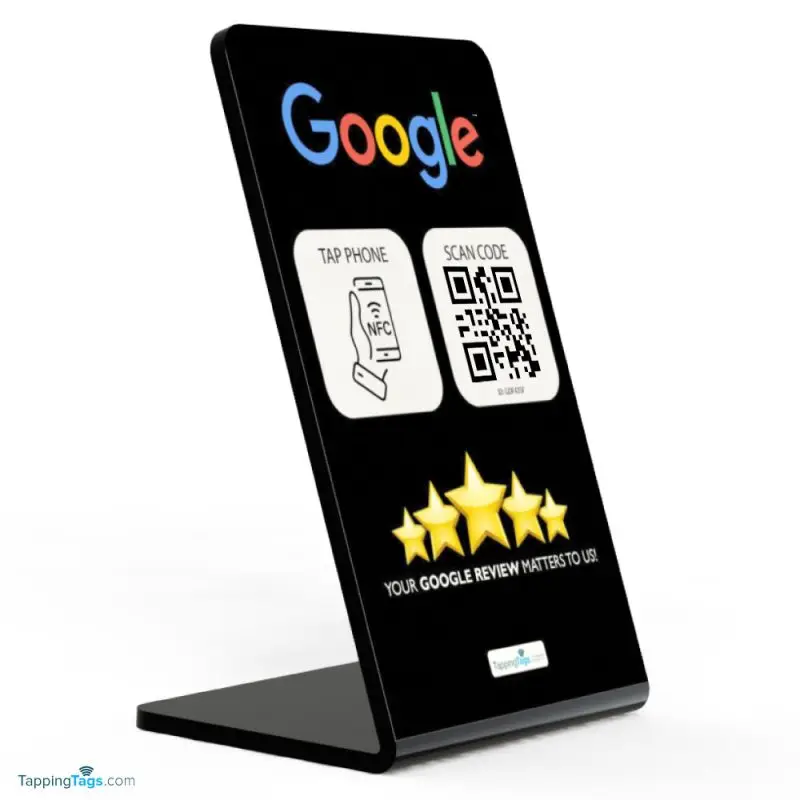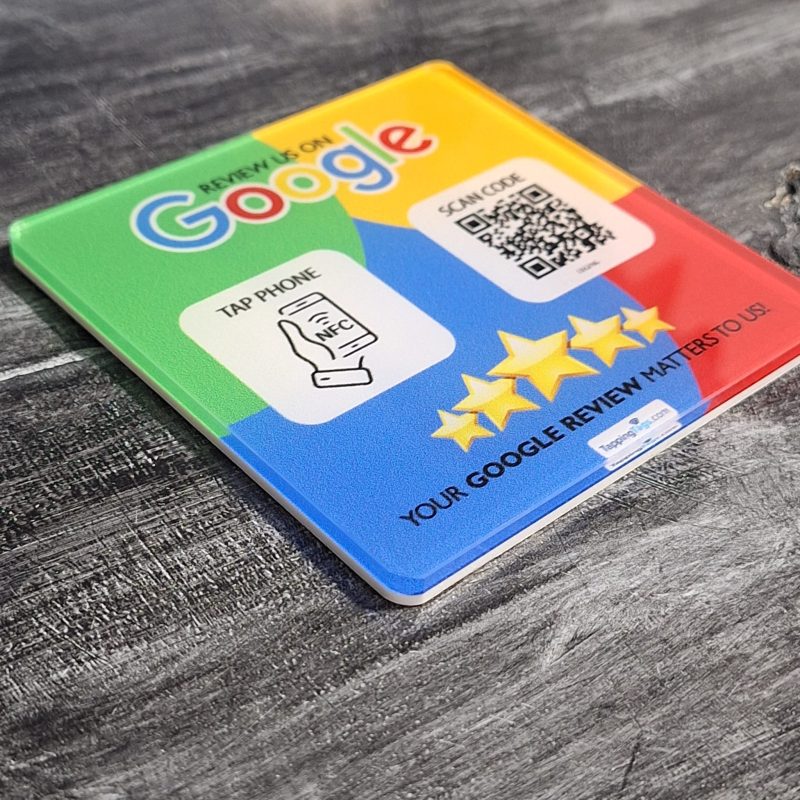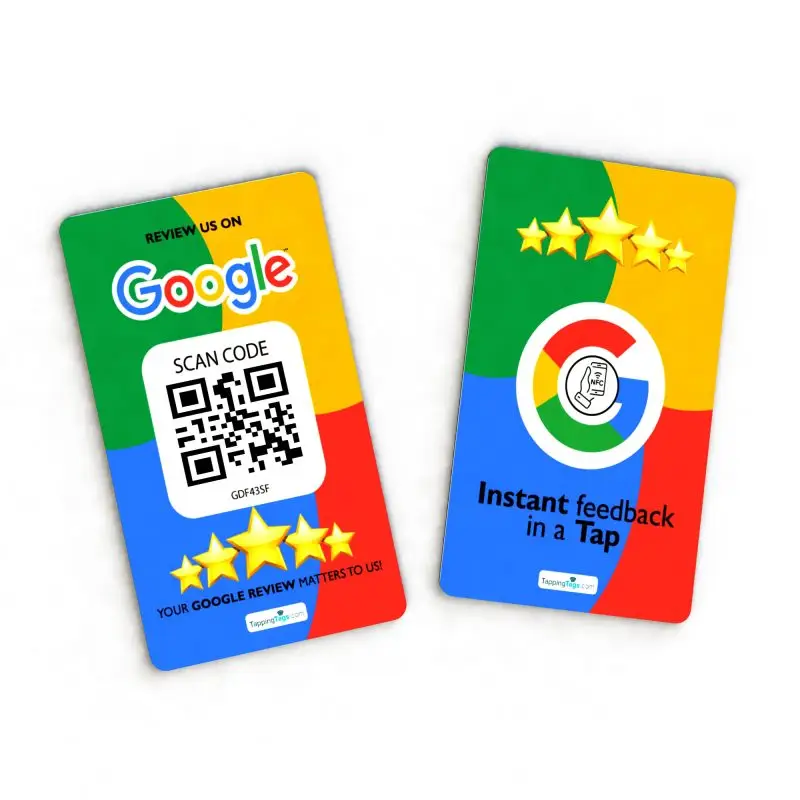
In today’s fast-paced digital landscape, businesses are constantly seeking innovative ways to enhance customer engagement and build brand loyalty. One powerful tool gaining traction is the use of NFC cards in loyalty programs. Near Field Communication (NFC) technology allows for seamless, contactless interactions, making it easier than ever for customers to participate in rewards programs with just a tap. Tapping Tags, a trailblazer in customer engagement solutions, is revolutionizing how businesses collect feedback and foster loyalty through their cutting-edge Google Review NFC cards. These smart cards not only simplify the review process but also serve as a dynamic tool for integrating loyalty programs, improving customer retention, and boosting brand visibility. By incorporating NFC cards into your loyalty strategy, you can create a more personalized and efficient experience that keeps customers coming back. Whether you’re a small business or a large enterprise, understanding how to use NFC cards in loyalty programs can give you a competitive edge in today’s market.
Introduction to NFC Technology
Near Field Communication, commonly known as NFC, is a short-range wireless communication technology that allows data exchange between devices when they are brought within a few centimeters of each other. Originally developed for secure transactions and data sharing, NFC has evolved into a versatile tool used across various industries, including retail, transportation, healthcare, and especially in customer engagement strategies like loyalty programs. As businesses strive to enhance customer experience and streamline operations, NFC technology has emerged as a powerful enabler of seamless, contactless interactions.
NFC operates on the principle of electromagnetic induction between two loop antennas located within the communicating devices. Unlike Bluetooth or Wi-Fi, NFC does not require manual pairing or device discovery, making it exceptionally user-friendly. This simplicity is one of the key reasons why NFC is increasingly being adopted in loyalty programs. With just a tap of an NFC card or smartphone, customers can instantly collect points, redeem rewards, or access personalized offers, eliminating the need for physical punch cards or remembering account details.
One of the most compelling advantages of NFC technology is its speed and convenience. According to a report by Statista, the number of NFC-enabled devices worldwide is expected to surpass 2.2 billion by 2025, indicating a growing acceptance and reliance on this technology. This widespread adoption is largely driven by the increasing use of smartphones, many of which come equipped with built-in NFC capabilities. As a result, businesses can leverage this existing infrastructure to implement cost-effective and scalable loyalty solutions.
Security is another critical aspect where NFC excels. The technology supports secure data transmission protocols, making it suitable for applications that require high levels of data protection. For instance, NFC transactions are often encrypted and can be further secured using biometric authentication or PIN codes. This makes NFC an ideal choice for loyalty programs that involve sensitive customer information or financial transactions.
In the context of loyalty programs, NFC cards serve as a digital bridge between businesses and their customers. These cards can be programmed to store customer data, track purchase history, and trigger personalized marketing messages. When a customer taps their NFC card at a point-of-sale terminal or kiosk, the system can instantly recognize them and apply relevant rewards or discounts. This not only enhances the customer experience but also provides businesses with valuable insights into consumer behavior.
“NFC technology is transforming the way businesses interact with their customers, offering a seamless and secure method for enhancing loyalty and engagement.” — Forbes Technology Council
The integration of NFC into loyalty programs also opens up opportunities for automation and data analytics. Businesses can automate reward distribution, monitor customer engagement in real-time, and adjust their marketing strategies based on actionable insights. This level of personalization and efficiency is difficult to achieve with traditional loyalty methods.
Moreover, NFC cards are highly customizable, allowing businesses to align them with their brand identity. From design and color to embedded functionalities, these cards can be tailored to meet specific marketing goals. Some companies even integrate NFC with mobile apps, enabling customers to manage their loyalty accounts, view rewards, and receive notifications directly on their smartphones.
To illustrate the practical applications of NFC in loyalty programs, consider the following examples:
- A coffee shop issues NFC-enabled loyalty cards that automatically track purchases and offer a free drink after every ten purchases.
- A retail chain uses NFC tags embedded in product packaging to allow customers to tap and receive instant discounts or product information.
- A fitness center provides members with NFC wristbands that grant access to facilities and track attendance for reward points.
These examples demonstrate the versatility and effectiveness of NFC in enhancing customer engagement and operational efficiency. By integrating NFC into loyalty programs, businesses can not only improve customer satisfaction but also gain a competitive edge in a crowded marketplace.
For companies considering the adoption of NFC technology, it is essential to choose the right partner for implementation. A reliable provider can offer end-to-end solutions, from card design and programming to system integration and analytics. At TappingTags, we specialize in delivering customized NFC solutions tailored to your business needs. Whether you are a small retailer or a large enterprise, our team can help you harness the full potential of NFC to elevate your loyalty program.
Additionally, understanding the technical aspects of NFC can empower businesses to make informed decisions. NFC operates at a frequency of 13.56 MHz and supports data transfer rates ranging from 106 to 424 kbps. It is compatible with various standards, including ISO/IEC 14443 and FeliCa, ensuring interoperability across different devices and platforms. This standardization is crucial for ensuring a smooth and consistent user experience.
The environmental impact of NFC cards is also worth noting. Unlike traditional plastic loyalty cards that often end up in landfills, NFC cards can be made from eco-friendly materials and reused multiple times. This aligns with the growing consumer demand for sustainable business practices and can enhance a brand’s reputation.
As the digital landscape continues to evolve, the role of NFC in customer engagement is expected to grow even further. Emerging trends such as the Internet of Things (IoT), smart retail, and contactless payments are all contributing to the increased relevance of NFC technology. Businesses that adopt NFC early can position themselves as innovators and build stronger, more meaningful relationships with their customers.
For more information on how NFC can revolutionize your loyalty program, visit our About page to learn more about our mission and expertise. If you are ready to take the next step, feel free to Contact Us for a personalized consultation or explore our range of NFC products in our Shop.
In conclusion, NFC technology offers a robust, secure, and user-friendly platform for modern loyalty programs. Its ability to facilitate instant, contactless interactions makes it an ideal choice for businesses looking to enhance customer engagement and streamline operations. By leveraging NFC, companies can create more personalized, efficient, and sustainable loyalty experiences that resonate with today’s tech-savvy consumers.
For further reading on NFC technology and its applications, consider exploring these reputable sources:
- NFC Forum – The official industry association for NFC technology.
- Statista – Statistics on NFC-enabled devices and market trends.
- Forbes Technology Council – Insights on how NFC is transforming customer engagement.
What Are NFC Cards and How Do They Work?
NFC cards, short for Near Field Communication cards, are a type of smart card embedded with a small microchip and antenna that enable wireless communication with compatible devices over short distances, typically less than four centimeters. These cards operate using radio frequency identification (RFID) technology, allowing them to transmit data securely and instantly when brought near an NFC-enabled reader such as a smartphone, tablet, or point-of-sale terminal. The technology behind NFC is based on electromagnetic induction, where the reader generates a magnetic field that powers the chip in the card, enabling it to send and receive information without the need for a battery. This seamless interaction makes NFC cards highly efficient and user-friendly, especially in environments where speed and convenience are essential.
In the context of loyalty programs, NFC cards offer a modern and efficient way to enhance customer engagement and streamline reward systems. When a customer taps their NFC card at a participating store or service location, the system can instantly identify the user, log their visit, and update their loyalty points or rewards in real time. This eliminates the need for manual entry or physical punch cards, reducing errors and improving the overall customer experience. Businesses can also use the data collected through NFC interactions to analyze customer behavior, tailor marketing efforts, and personalize offers based on individual preferences and purchase history. The integration of NFC technology into loyalty programs not only simplifies the process for customers but also provides valuable insights for businesses aiming to build stronger relationships with their clientele.
NFC cards are also highly secure, utilizing encryption and authentication protocols to protect sensitive information during transmission. This makes them suitable for a wide range of applications beyond loyalty programs, including contactless payments, access control, and identity verification. Their versatility and ease of use have led to widespread adoption across various industries, from retail and hospitality to healthcare and transportation. As more consumers become accustomed to contactless interactions, the demand for NFC-enabled solutions continues to grow, making it an ideal time for businesses to explore their potential in customer loyalty initiatives.
For those interested in implementing NFC cards into their loyalty programs, it is important to choose a reliable provider that offers customizable and durable cards tailored to your brand’s needs. At TappingTags, you can find a wide selection of NFC products designed to enhance customer engagement and streamline operations. Whether you are a small business or a large enterprise, integrating NFC technology can significantly improve the efficiency and effectiveness of your loyalty strategy. To learn more about how these innovative solutions can benefit your business, visit our About page or reach out through our Contact Us form for personalized assistance.
Benefits of Using NFC Cards in Loyalty Programs
Integrating NFC cards into loyalty programs offers a wide range of advantages that enhance both customer experience and business efficiency. One of the most significant benefits is the speed and convenience they bring to the transaction process. With a simple tap, customers can instantly access their loyalty points, rewards, or discounts without the need to carry paper coupons or remember account numbers. This seamless interaction not only improves the overall customer experience but also encourages repeat visits and brand loyalty. Unlike traditional loyalty systems that often require manual entry or barcode scanning, NFC cards streamline the process, reducing wait times and minimizing errors at the point of sale.
Another key advantage of using NFC cards in loyalty programs is the ability to collect real-time data. Businesses can track customer behavior, purchase history, and preferences more accurately, allowing them to tailor promotions and offers to individual needs. This level of personalization increases the effectiveness of marketing campaigns and helps build stronger relationships with customers. Additionally, the data collected can be used to identify trends and make informed decisions about inventory, pricing, and customer service strategies.
Security is another important benefit of NFC technology. NFC cards use encrypted communication, making them more secure than traditional magnetic stripe cards or paper-based systems. This added layer of protection helps prevent fraud and unauthorized access to customer information, building trust and confidence among users. Furthermore, NFC cards are durable and long-lasting, reducing the need for frequent replacements and lowering operational costs over time.
From a branding perspective, NFC cards offer a unique opportunity to reinforce brand identity. Custom-designed cards can feature logos, colors, and messaging that align with a company’s image, making them a powerful marketing tool. When customers carry these cards in their wallets or use them regularly, it increases brand visibility and recall. Businesses can also use NFC cards to deliver targeted content, such as special offers or event invitations, directly to a customer’s smartphone, enhancing engagement and loyalty.
The integration of NFC cards into loyalty programs also supports sustainability efforts. By reducing the reliance on paper-based materials and disposable plastic cards, companies can minimize their environmental footprint. This eco-friendly approach appeals to environmentally conscious consumers and aligns with modern corporate social responsibility goals.
Moreover, NFC cards are highly versatile and can be easily integrated with existing point-of-sale systems and mobile applications. This flexibility allows businesses of all sizes to adopt the technology without significant infrastructure changes. Whether it’s a small café or a large retail chain, NFC-enabled loyalty programs can be scaled to meet specific needs and objectives.
For businesses looking to implement NFC technology, exploring the available options is a crucial first step. You can browse a variety of NFC-enabled products by visiting the shop section of our website. Here, you’ll find customizable solutions designed to fit different business models and customer engagement strategies. If you’re new to the concept or want to learn more about our mission and expertise, the about page provides valuable insights into our approach and commitment to innovation.
In conclusion, using NFC cards in loyalty programs offers numerous benefits that go beyond simple point collection. They enhance user experience, provide valuable data insights, improve security, support branding efforts, promote sustainability, and offer scalable integration options. As consumer expectations continue to evolve, adopting NFC technology can give businesses a competitive edge and foster long-term customer relationships.
Comparing NFC Cards with Traditional Loyalty Methods
When evaluating the effectiveness of NFC cards in loyalty programs, it’s essential to understand how they compare to traditional loyalty methods such as punch cards, paper coupons, and plastic membership cards. Traditional loyalty systems have been widely used for decades, offering customers tangible proof of their purchases and rewards. However, these methods often come with limitations such as wear and tear, loss, and the inconvenience of carrying multiple cards or remembering to bring them during each visit. In contrast, NFC cards offer a modern, digital solution that enhances both customer experience and business efficiency. These cards use Near Field Communication technology to enable quick and secure data exchange between the card and a compatible device, such as a smartphone or NFC reader. This allows for instant reward tracking, seamless check-ins, and personalized offers without the need for manual input or physical stamps.
One of the most significant advantages of NFC cards over traditional methods is their ability to integrate with digital systems. Businesses can collect real-time data on customer behavior, preferences, and purchase history, enabling them to tailor promotions and improve customer engagement. This level of personalization is difficult to achieve with paper-based systems, which lack the capability to store or analyze customer data. Additionally, NFC cards reduce the risk of fraud or misuse, as each card can be uniquely coded and linked to a specific user profile. This ensures that rewards are only issued to legitimate customers, enhancing the overall integrity of the loyalty program.
From a customer perspective, NFC cards offer unmatched convenience. Instead of carrying multiple loyalty cards or remembering to bring a paper coupon, users can simply tap their NFC card to earn or redeem rewards. This frictionless experience not only saves time but also encourages repeat visits and brand loyalty. Furthermore, NFC cards can be easily updated or reprogrammed, allowing businesses to adapt their loyalty strategies without the need to issue new cards. This flexibility is particularly beneficial for seasonal promotions or limited-time offers, which can be quickly implemented and tracked through the NFC system.
In terms of cost and sustainability, NFC cards also present a compelling case. While the initial investment in NFC technology may be higher than printing paper cards or coupons, the long-term benefits often outweigh the costs. NFC cards are durable and reusable, reducing the need for constant reprinting and minimizing environmental impact. Businesses can also save on administrative costs associated with manual tracking and data entry, as the digital nature of NFC cards automates many of these processes. For companies looking to modernize their operations and appeal to tech-savvy consumers, adopting NFC cards in their loyalty programs is a forward-thinking move.
Moreover, NFC cards align well with the growing trend of contactless interactions, especially in a post-pandemic world where hygiene and safety are top priorities. Unlike traditional methods that require physical handling, NFC cards offer a touch-free solution that enhances customer confidence and satisfaction. This is particularly relevant in industries such as retail, hospitality, and food services, where customer turnover is high and efficiency is crucial. By implementing NFC technology, businesses can streamline their loyalty programs while also demonstrating a commitment to innovation and customer care.
For those interested in exploring how NFC cards can transform their loyalty initiatives, it’s worth visiting the shop section of our website to view a range of customizable NFC products. Whether you’re a small business owner or part of a larger enterprise, there’s a solution that fits your needs. To learn more about our mission and how we support businesses in adopting cutting-edge technology, check out our about page. By comparing NFC cards with traditional loyalty methods, it’s clear that the former offers a more efficient, secure, and customer-friendly approach to building lasting relationships and driving repeat business.
Setting Up an NFC-Based Loyalty Program
Implementing an NFC-based loyalty program involves a strategic blend of technology, customer engagement, and seamless integration with your existing business operations. To begin, businesses must first understand the core functionality of Near Field Communication (NFC) technology. NFC allows for short-range communication between compatible devices, typically between an NFC card and a reader. This makes it ideal for quick, contactless interactions, such as checking in at a store, earning rewards, or redeeming points. The first step in setting up an NFC-based loyalty program is choosing the right NFC cards or tags. These can be customized with your branding and programmed with unique identifiers that link to individual customer profiles. When a customer taps their NFC card at your point-of-sale system or a designated reader, the system instantly recognizes them and updates their loyalty status in real time.
Next, you need to integrate the NFC system with your customer relationship management (CRM) software or loyalty program platform. This integration ensures that every interaction is recorded and that customers receive accurate rewards based on their purchases or visits. Many modern POS systems already support NFC technology, making integration relatively straightforward. If your current system does not support NFC, you may need to invest in compatible hardware and software. It is also essential to develop a user-friendly interface for both staff and customers. Employees should be trained to assist customers with using their NFC cards, while customers should find the process intuitive and rewarding. For example, a simple tap at checkout should automatically apply discounts, accumulate points, or unlock special offers.
Marketing your NFC-based loyalty program is another critical component. Inform your customers about the benefits of the program through in-store signage, email campaigns, and social media. Highlight features such as instant rewards, exclusive deals, and the convenience of contactless interactions. Encourage sign-ups by offering a welcome bonus or a limited-time promotion. Additionally, consider integrating your loyalty program with a mobile app, allowing customers to track their points, receive notifications, and manage their profiles on the go. This digital extension enhances the overall customer experience and increases engagement.
Security is a vital aspect of any NFC-based system. Ensure that all data transmitted through NFC is encrypted and that your backend systems are protected against unauthorized access. Regularly update your software and conduct security audits to maintain customer trust. Transparency about how customer data is used and protected can also strengthen your brand’s reputation.
Customization and personalization are key to maximizing the effectiveness of your loyalty program. Use the data collected through NFC interactions to analyze customer behavior and tailor rewards accordingly. For instance, if a customer frequently purchases a particular product, offer them a discount on that item or suggest complementary products. Personalized offers not only increase customer satisfaction but also drive repeat business.
To maintain momentum, continuously evaluate the performance of your loyalty program. Track metrics such as customer retention rates, average transaction value, and overall engagement. Use this data to refine your strategy, introduce new features, or adjust reward structures. Gathering feedback directly from customers can also provide valuable insights into what is working and what needs improvement.
For businesses looking to implement NFC-based loyalty solutions, partnering with a reliable provider is crucial. Choose a vendor that offers high-quality NFC cards, robust software support, and excellent customer service. At TappingTags, you can find a wide range of NFC products designed to support innovative loyalty programs. Whether you are a small retailer or a large enterprise, the right tools and guidance can make all the difference in creating a successful program.
Additionally, understanding the broader context of NFC technology and its applications can help you stay ahead of the curve. Visit our About page to learn more about our mission and how we are helping businesses leverage NFC for enhanced customer engagement. If you have specific questions or need personalized assistance, our team is ready to help. Feel free to reach out through our Contact Us page to get started.
In conclusion, setting up an NFC-based loyalty program involves more than just distributing cards. It requires thoughtful planning, seamless integration, effective marketing, and ongoing optimization. By leveraging the power of NFC technology, businesses can offer a modern, efficient, and highly engaging loyalty experience that not only meets but exceeds customer expectations. With the right approach and support, your loyalty program can become a powerful tool for building lasting customer relationships and driving long-term growth.
Choosing the Right NFC Card Provider
Selecting a reliable NFC card provider is a critical step in successfully implementing NFC cards in your loyalty program. The right provider ensures that your cards are not only high-quality and durable but also compatible with your existing systems and tailored to your business needs. When evaluating potential providers, consider their experience in the NFC technology space, the range of customization options they offer, and their ability to scale with your business as it grows. A reputable provider should offer cards that are secure, easy to program, and capable of seamless integration with your loyalty software. Additionally, look for providers who offer excellent customer support and clear communication throughout the ordering and implementation process. This is especially important if you are new to NFC technology and require guidance on how to best utilize it for customer engagement and retention. It is also beneficial to choose a provider that offers a user-friendly platform for managing and updating card data, as this can significantly streamline your operations. For businesses looking to explore a wide range of NFC-enabled products, visiting the shop section of a specialized provider’s website can give insight into available options and pricing. Furthermore, understanding the company’s mission and background through their about page can help you assess their credibility and commitment to innovation. Ultimately, partnering with a trusted NFC card provider not only enhances the effectiveness of your loyalty program but also ensures a smooth and professional experience for both your team and your customers.
Integrating NFC Cards with Your POS System
To successfully implement NFC cards in your loyalty program, one of the most crucial steps is ensuring seamless integration with your existing point-of-sale (POS) system. This integration allows for real-time communication between the NFC card and your POS software, enabling automatic tracking of customer purchases, rewards accumulation, and redemption of loyalty points. The process begins by selecting a POS system that supports NFC technology or can be upgraded to do so. Many modern POS systems come with built-in NFC readers or offer compatibility with external NFC devices, making it easier to adopt this technology without overhauling your entire setup. Once the hardware is in place, the next step involves configuring your POS software to recognize and interact with the NFC cards. This typically includes programming the system to read the unique identifier stored on each card and linking it to a customer profile within your loyalty database.
The integration should also support secure data exchange, ensuring that customer information is protected during every transaction. This is particularly important for businesses that handle sensitive data, as NFC technology relies on short-range communication that must be encrypted to prevent unauthorized access. Additionally, your POS system should be capable of updating customer profiles in real time, reflecting any changes in loyalty points or rewards status immediately after a purchase. This instant feedback enhances the customer experience, as users can see the benefits of their loyalty without delay. For businesses looking to streamline operations further, integrating NFC cards with POS systems can also automate marketing efforts. For example, the system can be programmed to trigger personalized promotions or discounts based on a customer’s purchase history, increasing engagement and encouraging repeat visits.
Training your staff on how to use the integrated system is equally important. Employees should understand how to scan NFC cards, troubleshoot common issues, and explain the benefits of the loyalty program to customers. A well-informed team can significantly improve the adoption rate of your loyalty program and ensure a smooth customer experience. Moreover, businesses should regularly monitor the performance of their integrated system to identify any technical glitches or areas for improvement. This can be done through analytics tools that track usage patterns, customer engagement, and overall program effectiveness. By analyzing this data, you can make informed decisions about how to optimize your loyalty program for better results.
For businesses new to NFC technology, partnering with a reliable provider can simplify the integration process. Companies like Tapping Tags offer a range of NFC solutions tailored to different business needs. You can explore their offerings by visiting their shop or learn more about their mission and services on the about page. These resources can provide valuable insights into how NFC cards can be customized and deployed effectively within your existing infrastructure. Additionally, if you have specific questions or need personalized assistance, reaching out through their contact-us page ensures you get expert guidance tailored to your business requirements.
Ultimately, integrating NFC cards with your POS system is not just a technical upgrade but a strategic move that can transform how you engage with your customers. It simplifies the loyalty process, enhances data accuracy, and provides a platform for more personalized and efficient customer interactions. As consumer expectations continue to evolve, adopting such innovative solutions positions your business as forward-thinking and customer-centric, giving you a competitive edge in a crowded marketplace.
Designing an Effective Loyalty Reward Structure
Creating a successful loyalty program using NFC cards requires more than just distributing the cards to customers. The foundation of a thriving program lies in designing a reward structure that is both appealing and easy to understand. A well-thought-out reward system not only encourages repeat purchases but also fosters long-term customer engagement and brand loyalty. To begin with, it is essential to define clear goals for your loyalty program. Whether your objective is to increase purchase frequency, boost average order value, or enhance customer retention, having a specific target will guide the structure of your rewards. Once the goals are set, segment your customer base to tailor rewards that resonate with different groups. For instance, frequent shoppers might appreciate exclusive discounts or early access to new products, while occasional buyers may be more motivated by points-based incentives or referral bonuses.
The next step is to determine the type of rewards that align with your brand and customer expectations. These can range from monetary benefits like discounts and cashback to experiential rewards such as VIP events or personalized services. The key is to offer value that feels meaningful to your audience. Integrating NFC cards into this system adds a layer of convenience and innovation. Customers can simply tap their card at the point of sale to accumulate points or redeem rewards, eliminating the need for manual entry or remembering login credentials. This seamless experience not only enhances user satisfaction but also encourages more frequent participation in the program.
To ensure the reward structure remains effective over time, it is crucial to keep it dynamic and adaptable. Regularly analyze customer data collected through NFC interactions to identify trends and preferences. This information can be used to refine the reward offerings and introduce limited-time promotions that create a sense of urgency. Additionally, incorporating gamification elements such as tier levels or achievement badges can make the program more engaging. For example, customers who reach a certain spending threshold could unlock premium rewards or gain access to exclusive content.
Transparency is another vital component of a successful loyalty reward structure. Customers should be able to easily understand how to earn and redeem rewards. Clear communication through digital channels, in-store signage, and the NFC card interface itself can help eliminate confusion and build trust. Providing a user-friendly dashboard where customers can track their points and progress adds to the overall experience and encourages continued participation.
Moreover, integrating your loyalty program with your broader marketing strategy can amplify its impact. Use email campaigns, social media, and in-store promotions to highlight the benefits of the program and share success stories from other customers. This not only increases awareness but also builds a community around your brand. NFC cards can play a pivotal role in this integration by serving as a physical touchpoint that connects offline and online interactions. For instance, tapping the card could direct users to a personalized landing page with tailored offers or updates about their reward status.
When designing your reward structure, it is also important to consider the operational aspects. Ensure that your point-of-sale systems and backend software are compatible with NFC technology and capable of handling real-time updates. Training staff to assist customers with using their NFC cards and understanding the reward system can further enhance the customer experience. Additionally, having a reliable support system in place for troubleshooting issues or answering queries can make a significant difference in customer satisfaction.
Finally, do not underestimate the power of feedback. Encourage customers to share their thoughts on the loyalty program and use this input to make continuous improvements. Whether through surveys, reviews, or direct interactions, customer insights are invaluable in shaping a reward structure that truly meets their needs. By staying responsive and proactive, you can ensure that your loyalty program remains relevant and effective in a competitive market.
For businesses looking to implement or enhance their loyalty programs with NFC technology, exploring the available tools and resources is a great starting point. Visit our shop to discover a range of NFC-enabled products designed to support seamless customer engagement. To learn more about our mission and how we help businesses grow through smart technology, check out our about page. Whether you are just starting or looking to optimize an existing program, a well-designed reward structure powered by NFC cards can be a game-changer in building lasting customer relationships.
Ensuring Data Security and Privacy with NFC Cards
When integrating NFC cards into loyalty programs, one of the most critical considerations is maintaining robust data security and user privacy. NFC, or Near Field Communication, enables seamless and contactless communication between devices, making it an ideal technology for modern loyalty systems. However, the convenience it offers must be balanced with stringent security measures to protect sensitive customer information. Businesses must ensure that all data transmitted via NFC is encrypted and stored securely to prevent unauthorized access. This includes implementing secure authentication protocols and regularly updating software to guard against evolving cyber threats. Additionally, companies should be transparent about how customer data is collected, stored, and used, aligning with privacy regulations such as GDPR or CCPA. Educating users on how their information is protected can also build trust and encourage participation in loyalty programs. For businesses looking to adopt NFC technology, choosing a reliable provider is essential. Platforms like TappingTags offer secure and customizable NFC solutions that prioritize both functionality and data protection. Furthermore, understanding the technical aspects of NFC security, such as secure element storage and tokenization, can help businesses make informed decisions. Regular audits and compliance checks should be part of the ongoing strategy to ensure that the loyalty program remains secure over time. For more information about how NFC technology can be safely integrated into your business model, visit the About page or reach out through the Contact Us section to speak with a specialist. By prioritizing data security and privacy, businesses not only protect their customers but also enhance the credibility and success of their loyalty programs.
Training Staff to Use NFC Technology
Implementing NFC cards in a loyalty program can significantly enhance customer engagement and streamline operations, but the success of this technology hinges on how well your staff understands and utilizes it. Proper training is essential to ensure that employees are confident and competent in using NFC-enabled systems. This begins with a comprehensive introduction to what NFC technology is and how it functions within the context of a loyalty program. Staff should be educated on the basics of Near Field Communication, including how it allows for quick and secure data exchange between devices when in close proximity. This foundational knowledge helps demystify the technology and reduces resistance to its adoption.
Once the basics are covered, training should focus on the specific tools and devices your business will use. This includes NFC card readers, mobile devices, and any integrated point-of-sale systems. Employees should be shown how to activate and scan NFC cards, troubleshoot common issues, and understand what each interaction means in terms of customer rewards and data collection. Hands-on demonstrations and role-playing scenarios can be particularly effective in reinforcing these skills. For example, staff can practice scanning a customer’s NFC card, checking their loyalty points, and explaining available rewards or promotions. This not only builds technical proficiency but also improves customer service interactions.
Equally important is educating staff on the benefits of NFC technology for both the business and the customer. When employees understand how NFC cards can speed up transactions, reduce errors, and provide a seamless customer experience, they are more likely to embrace the system and promote it to customers. Training should also cover data privacy and security protocols to ensure that staff handle customer information responsibly. This includes understanding encryption, secure storage of customer data, and how to respond to any concerns customers may have about the safety of their personal information.
To maintain consistency and quality, it is advisable to develop a standardized training manual or digital resource that staff can refer to as needed. This should include step-by-step instructions, troubleshooting tips, and frequently asked questions. Regular refresher courses and updates should also be part of the training program, especially when new features or system upgrades are introduced. Encouraging staff feedback during these sessions can help identify areas for improvement and ensure that the training remains relevant and effective.
In addition to technical training, staff should be coached on how to communicate the value of the NFC loyalty program to customers. This includes explaining how the program works, how customers can sign up, and the benefits they will receive. Employees should be equipped with talking points and promotional materials to help drive enrollment and participation. A well-informed staff member can turn a routine transaction into an opportunity to enhance customer loyalty and satisfaction.
It is also beneficial to assign a few team members as NFC technology champions or super-users. These individuals can serve as go-to resources for their colleagues, helping to troubleshoot issues and provide on-the-spot training. This peer support system can be especially helpful in larger teams or multi-location businesses, ensuring that knowledge is shared and reinforced across the organization.
To further support your staff, consider utilizing resources from your NFC technology provider. Many vendors offer training videos, user guides, and customer support that can be integrated into your training program. Leveraging these resources can save time and ensure that your team receives accurate and up-to-date information. Additionally, incorporating feedback from your staff about the training process can help refine and improve future sessions.
Creating a culture that embraces technology and continuous learning is key to the long-term success of your NFC loyalty program. Recognize and reward staff who excel in using the system and encourage a mindset of innovation and adaptability. When employees feel confident and supported, they are more likely to deliver exceptional service and contribute to the overall success of your loyalty initiative.
For businesses looking to explore more about NFC technology and its applications, visiting the home page of Tapping Tags can provide valuable insights. You can also learn more about the company’s mission and services by checking out the about section. These resources can offer additional guidance and tools to help you implement and optimize your NFC-based loyalty program effectively.
Promoting Your NFC Loyalty Program to Customers
Once your NFC loyalty program is set up and ready to go, the next crucial step is making sure your customers know about it and understand its value. Promoting your NFC loyalty program effectively can significantly increase customer engagement, retention, and overall satisfaction. Start by integrating the program into your existing marketing channels. Use email newsletters, social media platforms, and in-store signage to inform customers about the benefits of tapping their NFC cards during each visit. Highlight how easy it is to use and the rewards they can earn, such as discounts, exclusive offers, or free products. Make sure your staff is well-trained and enthusiastic about the program so they can explain it clearly and encourage participation at the point of sale.
Incorporating NFC loyalty program details into your website is also essential. Create a dedicated section that explains how the program works, how customers can join, and what rewards they can expect. This not only improves transparency but also helps with search engine visibility. Consider adding a call-to-action on your homepage that directs visitors to this section. For example, you can guide users to explore more about your offerings by linking to your homepage or providing background on your brand through the about page. These internal links help users navigate your site more efficiently while boosting SEO performance.
Offline promotion is equally important. Use printed materials like flyers, posters, and table tents in your physical location to catch the attention of walk-in customers. QR codes can be added to these materials, allowing customers to scan and learn more about the program instantly. Hosting a launch event or offering a limited-time bonus for early adopters can also create buzz and encourage initial sign-ups. Additionally, consider collaborating with influencers or local businesses to spread the word and reach a broader audience.
Customer testimonials and user-generated content can further enhance credibility. Encourage satisfied customers to share their positive experiences with your NFC loyalty program on social media or review platforms. Feature these testimonials on your website and promotional materials to build trust and attract new participants. You can also use analytics to track which promotional strategies are most effective, allowing you to refine your approach over time.
Finally, make it easy for customers to reach out with questions or feedback. Providing a clear and accessible way to get in touch, such as through your contact page, ensures that customers feel supported and valued. This open line of communication can lead to higher satisfaction and long-term loyalty. By combining digital and physical promotional efforts, you can maximize the reach and impact of your NFC loyalty program, turning occasional shoppers into loyal brand advocates.
Tracking Customer Engagement and Redemption Rates
One of the most powerful advantages of integrating NFC cards into loyalty programs is the ability to monitor customer engagement and redemption rates with precision and ease. Unlike traditional loyalty systems that rely on manual tracking or outdated barcode scanning, NFC technology offers real-time data collection that provides valuable insights into customer behavior. When a customer taps their NFC card at a point of sale or designated touchpoint, the system instantly records the interaction, capturing details such as time, location, frequency of visits, and the specific rewards redeemed. This data allows businesses to build comprehensive customer profiles, enabling them to tailor promotions and offers based on individual preferences and shopping habits.
By analyzing this data, businesses can identify which rewards are most popular, which promotions drive the highest engagement, and which customer segments are most active. This level of insight is crucial for optimizing marketing strategies and ensuring that loyalty programs remain effective and relevant. For example, if a particular reward sees low redemption rates, it may indicate that the offer is not appealing or accessible to customers. Conversely, high engagement with certain promotions can guide future campaign planning and inventory management. Additionally, tracking redemption rates helps businesses measure the return on investment of their loyalty initiatives, ensuring that resources are allocated efficiently.
Moreover, NFC-enabled loyalty programs enhance the customer experience by offering a seamless and contactless way to participate. Customers no longer need to carry multiple punch cards or remember login credentials for mobile apps. A simple tap of their NFC card is all it takes to earn points or redeem rewards, making the process more convenient and encouraging repeat participation. This ease of use often translates into higher engagement rates, as customers are more likely to interact with a system that is quick, intuitive, and rewarding.
Businesses can also use the data collected through NFC interactions to send personalized messages, exclusive offers, or reminders to customers, further boosting engagement. For instance, if a customer has not visited in a while, the system can trigger a special discount to entice them back. This proactive approach not only improves customer retention but also fosters a sense of loyalty and appreciation. Furthermore, the ability to track customer journeys across multiple locations or channels provides a holistic view of the customer lifecycle, enabling businesses to refine their strategies and deliver consistent experiences.
For companies looking to implement NFC cards in their loyalty programs, it is essential to choose a reliable provider that offers robust analytics and integration capabilities. Platforms like TappingTags provide the tools necessary to manage and analyze customer interactions effectively, ensuring that businesses can make data-driven decisions. Whether you are a small retailer or a large enterprise, leveraging NFC technology can transform your loyalty program into a dynamic and responsive system that drives customer satisfaction and business growth.
Additionally, understanding how NFC cards work and the benefits they offer can help businesses make informed choices about their loyalty strategies. To learn more about the technology and its applications, visit the About page on TappingTags. For those ready to take the next step, exploring the available products and solutions in the shop can provide a clearer picture of how NFC cards can be customized to fit specific business needs. With the right approach and tools, tracking customer engagement and redemption rates through NFC cards can lead to more effective loyalty programs and stronger customer relationships.
Troubleshooting Common NFC Card Issues
When implementing NFC cards in loyalty programs, businesses may occasionally encounter technical or operational issues that can hinder the user experience. Understanding and addressing these common problems is essential to maintaining a seamless and effective loyalty system. One of the most frequent issues users face is card detection failure. This can occur when the NFC chip is damaged, the card is not properly aligned with the reader, or the reader itself is malfunctioning. To resolve this, ensure that the card is held close to the reader and in the correct orientation. If the problem persists, test the card with another reader or replace it if necessary.
Another common challenge is software incompatibility. NFC cards must be compatible with the point-of-sale system or mobile application being used. If the system fails to recognize the card, it may require a software update or configuration adjustment. Businesses should regularly update their systems and ensure that all devices are compatible with the specific type of NFC card being used. Additionally, users should be informed about which devices support NFC functionality, as not all smartphones or tablets are equipped with this feature.
Data synchronization issues can also disrupt the functionality of NFC loyalty cards. If the card does not update points or rewards in real time, it may be due to a lag in the backend system or a connectivity issue. Ensuring a stable internet connection and regularly syncing the system can help prevent such delays. It is also advisable to perform routine maintenance checks on the software and hardware components involved in the loyalty program.
Security concerns are another area that requires attention. While NFC technology is generally secure, improper handling or outdated encryption protocols can expose sensitive customer data. To mitigate this risk, businesses should implement robust security measures such as data encryption, secure authentication, and regular security audits. Educating staff on best practices for handling NFC cards can further enhance security and reduce the risk of data breaches.
Physical wear and tear of NFC cards is another issue that can affect their performance. Over time, cards may become scratched, bent, or otherwise damaged, which can impair the functionality of the embedded chip. Providing customers with durable card materials and offering replacements when necessary can help maintain the integrity of the loyalty program. Additionally, businesses can consider offering digital alternatives, such as mobile NFC passes, to reduce reliance on physical cards.
Customer confusion or lack of awareness can also lead to perceived issues with NFC cards. Some users may not understand how to use the card properly or may be unaware of the benefits associated with the loyalty program. Clear instructions, in-store signage, and staff training can help educate customers and encourage proper usage. Providing a simple onboarding process and user-friendly interface can also enhance the overall experience.
In some cases, environmental factors such as electromagnetic interference or metal surfaces can interfere with NFC communication. Ensuring that NFC readers are placed in optimal locations and away from potential sources of interference can improve performance. Businesses should also test their systems in various environments to identify and address any location-specific issues.
For businesses looking to enhance their loyalty programs with NFC technology, it is crucial to choose reliable and high-quality products. At TappingTags, a wide range of NFC-enabled solutions are available to meet diverse business needs. Whether you are just starting out or looking to upgrade your existing system, exploring the options available in the home section can provide valuable insights into the latest innovations in NFC technology.
In conclusion, while NFC cards offer a convenient and efficient way to manage loyalty programs, being prepared to troubleshoot common issues is key to ensuring a smooth experience for both businesses and customers. By addressing technical glitches, maintaining system compatibility, ensuring data security, and educating users, businesses can maximize the benefits of their NFC loyalty programs and foster long-term customer engagement.
Future Trends in NFC and Loyalty Programs
As technology continues to evolve, the integration of NFC cards into loyalty programs is expected to become even more seamless and impactful. One of the most significant trends on the horizon is the increased personalization of customer experiences through data collected via NFC interactions. Businesses will be able to gather real-time insights into customer preferences and behaviors, allowing them to tailor rewards, promotions, and communication more effectively. This level of personalization not only enhances customer satisfaction but also strengthens brand loyalty. Another emerging trend is the expansion of NFC functionality beyond traditional retail environments. Industries such as hospitality, healthcare, and transportation are beginning to explore how NFC-enabled loyalty programs can improve customer engagement and streamline operations. For instance, hotels may use NFC cards to offer guests personalized room settings or exclusive offers during their stay, while public transport systems could reward frequent travelers with discounts or perks. Additionally, the rise of mobile wallets and contactless payments is driving the convergence of payment and loyalty systems. NFC cards can now be linked directly to mobile apps, allowing users to earn and redeem rewards instantly at the point of sale. This integration reduces friction in the customer journey and encourages repeat business. Furthermore, sustainability is becoming a key consideration in the development of NFC loyalty programs. Companies are exploring eco-friendly materials for NFC cards and adopting digital alternatives to reduce environmental impact. As consumers become more environmentally conscious, brands that prioritize sustainability in their loyalty initiatives are likely to gain a competitive edge. The use of blockchain technology is also being explored to enhance the security and transparency of loyalty programs. By leveraging blockchain, businesses can create decentralized and tamper-proof systems that build trust with customers. As these technologies mature, we can expect to see more innovative applications of NFC in loyalty programs that go beyond simple point collection. To stay ahead in this rapidly changing landscape, businesses must remain adaptable and open to adopting new tools and strategies. Whether you are a small business owner or part of a large enterprise, understanding these future trends is essential for maximizing the potential of NFC in your customer loyalty efforts. For more information on how NFC technology can benefit your business, visit our about page or explore our range of NFC-enabled products in the shop.
Sure! Here’s a suitable FAQ section for a blog post titled "How to Use NFC Cards in Loyalty Programs," based on the topic and general knowledge about NFC technology and loyalty programs:
Frequently Asked Questions (FAQ)
-
What is an NFC card?
An NFC (Near Field Communication) card is a type of smart card that uses wireless communication to exchange data with compatible devices when they are brought close together—typically within a few centimeters. These cards are commonly used for contactless payments, access control, and increasingly, loyalty programs. -
How do NFC cards work in loyalty programs?
In loyalty programs, NFC cards are used to quickly and securely identify customers at the point of sale or check-in. When a customer taps their NFC card on a reader, their account is automatically recognized, and points, rewards, or discounts can be applied instantly without the need for manual entry or scanning barcodes. -
What are the benefits of using NFC cards for loyalty programs?
NFC cards offer several advantages:- Speed and convenience: Transactions are faster and more seamless.
- Improved customer experience: No need to carry paper punch cards or remember account numbers.
- Enhanced data collection: Businesses can track customer behavior and preferences more accurately.
- Security: NFC technology includes encryption and authentication features to protect user data.
-
Do customers need a smartphone to use NFC loyalty cards?
No, customers do not need a smartphone to use physical NFC cards. However, some loyalty programs may also offer digital NFC options that can be stored in mobile wallets like Apple Pay or Google Wallet for added convenience. -
How can businesses implement NFC cards in their loyalty programs?
Businesses can implement NFC cards by:- Partnering with a provider that offers NFC card printing and encoding services.
- Setting up NFC readers at points of sale or check-in locations.
- Integrating NFC functionality with their existing loyalty program software or CRM system.
- Training staff and educating customers on how to use the new system.
-
Are NFC loyalty cards secure?
Yes, NFC technology is generally secure. It uses short-range communication, which reduces the risk of interception, and can include encryption and authentication protocols. However, businesses should still follow best practices for data protection and comply with relevant privacy regulations. -
Can NFC cards be reused or reprogrammed?
Yes, depending on the type of NFC card used, some can be reprogrammed or updated with new data. This can be useful for updating customer information or changing loyalty program rules without issuing new cards. -
What industries can benefit from NFC-based loyalty programs?
NFC loyalty programs are ideal for a wide range of industries, including:- Retail
- Hospitality
- Food and beverage
- Fitness and wellness centers
- Entertainment venues
-
How much does it cost to implement an NFC loyalty program?
Costs can vary depending on the scale of the program, the type of NFC cards used, and the technology infrastructure required. However, many businesses find that the improved customer engagement and operational efficiency justify the investment. -
Can NFC loyalty cards be integrated with mobile apps?
Yes, many loyalty programs offer both physical NFC cards and digital versions that can be stored in mobile apps or digital wallets. This allows customers to choose the most convenient option for them.
This FAQ section can help readers better understand the practical aspects of using NFC cards in loyalty programs and encourage them to consider implementing or participating in such systems.