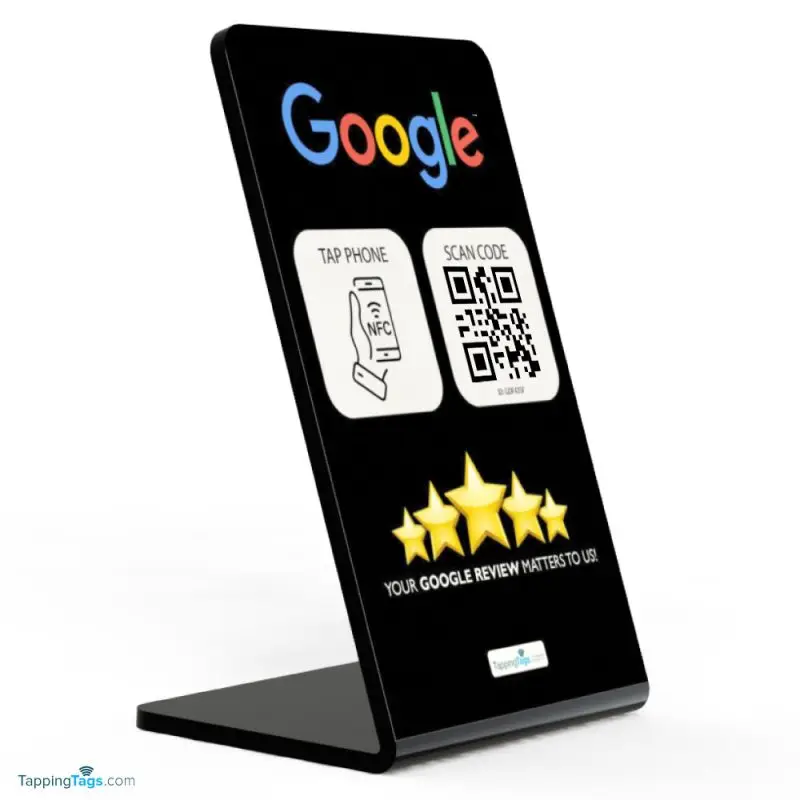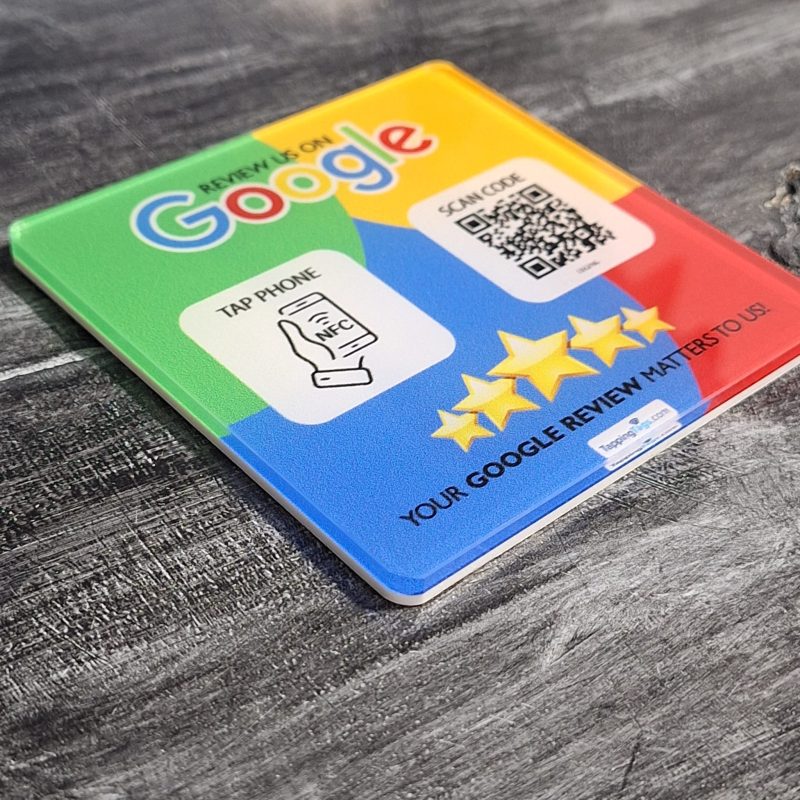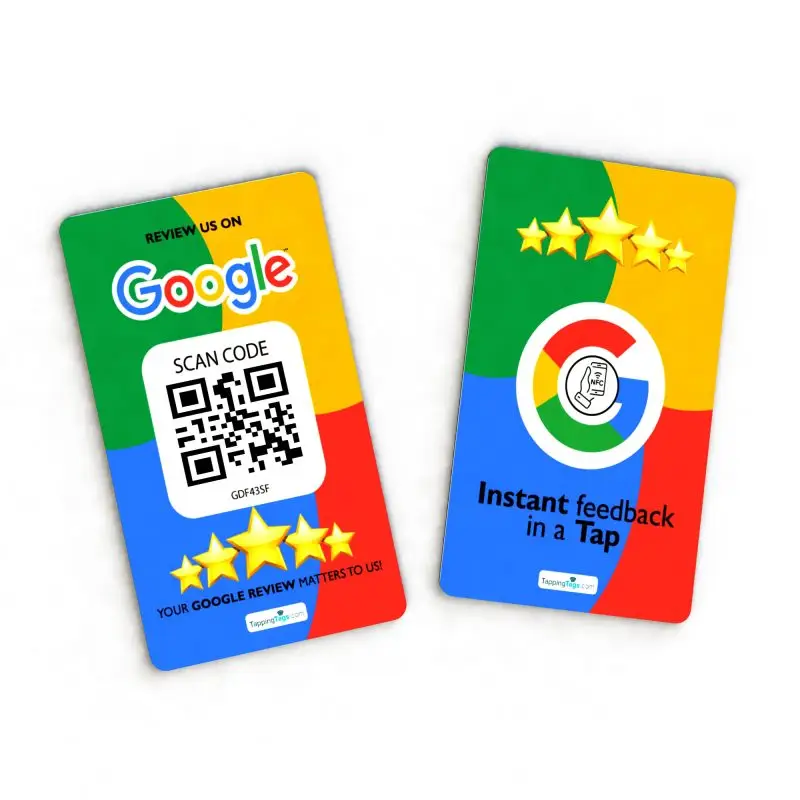
In today’s digital age, building local trust is more important than ever for small businesses and service providers. One of the most effective and modern ways to enhance your local reputation is by using NFC cards. Revolutionizing customer feedback with NFC technology, Tapping Tags is leading the way in this space. Their innovative Google Review NFC cards make it incredibly easy for customers to leave instant feedback with just a tap of their smartphone. By simplifying the review process, businesses can quickly gather authentic customer reviews, boost their online presence, and foster stronger community relationships. Whether you’re a local shop, a service provider, or a growing brand, learning how to use NFC cards to build local trust can significantly improve your customer engagement and credibility. With tools like Tapping Tags’ NFC-enabled review cards, collecting Google reviews becomes seamless, helping you stand out in local search results and build lasting trust with your audience.
Understanding NFC Technology and Its Benefits
Near Field Communication, commonly known as NFC, is a short-range wireless technology that enables data exchange between devices when they are brought within a few centimeters of each other. This technology has become increasingly popular in recent years, especially in the realm of contactless payments, smart marketing, and secure identification. Its simplicity, speed, and security make it an ideal tool for businesses looking to build local trust and enhance customer engagement.
NFC operates on the principle of electromagnetic induction, allowing two devices—typically an NFC card and a reader or smartphone—to communicate without the need for physical contact. Unlike Bluetooth or Wi-Fi, NFC does not require manual pairing or device discovery, making it incredibly user-friendly. This ease of use is one of the primary reasons why NFC is being adopted across various industries, from retail and hospitality to healthcare and education.
One of the key benefits of NFC technology is its ability to streamline communication and transactions. For example, businesses can use NFC cards to share digital business cards, direct customers to online reviews, or provide instant access to loyalty programs. This not only enhances the customer experience but also fosters a sense of transparency and reliability—two critical components in building local trust.
"According to a report by Statista, the global NFC market is projected to reach over 47 billion U.S. dollars by 2024, highlighting its growing significance in modern communication and commerce."
Security is another major advantage of NFC. Because the communication range is so short, it is difficult for unauthorized users to intercept the data. Additionally, NFC transactions often require user authentication, such as a fingerprint or passcode, adding an extra layer of protection. This makes NFC an excellent choice for secure interactions, such as identity verification or contactless payments.
NFC technology also supports sustainability efforts. By replacing traditional paper-based materials like brochures, menus, and business cards with digital alternatives, businesses can reduce waste and promote eco-friendly practices. This not only appeals to environmentally conscious consumers but also positions the business as a forward-thinking and responsible member of the community.
To illustrate the practical applications and benefits of NFC, consider the following examples:
- A local café uses NFC cards embedded in their tables. When customers tap their phones, they are directed to a digital menu, can place orders, and even leave reviews—all without downloading an app.
- A real estate agent hands out NFC-enabled business cards that link directly to property listings and client testimonials, enhancing credibility and trust.
- A community health clinic uses NFC tags on posters to provide instant access to health resources and appointment scheduling, improving accessibility and engagement.
These real-world applications demonstrate how NFC can be a powerful tool for building trust within a local community. By offering convenience, security, and transparency, businesses can create meaningful interactions that foster loyalty and long-term relationships.
For those interested in integrating NFC into their operations, it is essential to choose a reliable provider. TappingTags offers a range of customizable NFC products designed to meet the unique needs of local businesses. Whether you are looking to enhance customer engagement or streamline your marketing efforts, their solutions are tailored to help you succeed. Learn more about their offerings by visiting their shop or exploring their about page.
"NFC is not just a technology; it’s a bridge that connects businesses with their communities in a seamless and secure way."
To further explore how NFC can benefit your business, consider reading this comprehensive guide from the NFC Forum: https://nfc-forum.org/what-is-nfc/. Additionally, for a deeper dive into market trends and statistics, visit the Statista NFC market overview: https://www.statista.com/statistics/1095636/global-nfc-market-size/.
By understanding the fundamentals and advantages of NFC technology, businesses can leverage it not only as a tool for convenience but also as a strategic asset for building trust and fostering stronger local connections.
Choosing the Right NFC Cards for Your Community
Selecting the appropriate NFC cards is a crucial step in fostering trust within your local community. These cards serve as a bridge between digital convenience and personal interaction, making it essential to choose ones that align with your community’s specific needs and values. When evaluating NFC cards, consider factors such as durability, compatibility, design, and security features. Durable materials like PVC or eco-friendly alternatives ensure the cards withstand daily use, especially in active community settings. Compatibility with a wide range of smartphones and devices is also vital, as it ensures seamless interaction for all users regardless of their technology preferences. Additionally, customizable designs allow you to incorporate local branding, logos, or messages that resonate with your audience, reinforcing a sense of identity and belonging.
Security is another key consideration. Opt for NFC cards that support encrypted data transfer and offer password protection or authentication features. This not only safeguards sensitive information but also builds confidence among users who may be hesitant to adopt new technology. Moreover, the functionality of the NFC cards should match the intended use cases within your community. For example, if the goal is to share contact information or promote local businesses, cards with programmable links to digital profiles or websites are ideal. If the focus is on event access or loyalty programs, cards with memory capacity for storing user data may be more appropriate.
It is also beneficial to source your NFC cards from a trusted provider that understands the importance of community engagement. A reliable supplier will offer guidance on selecting the right card type, provide customization options, and ensure quality assurance. For those looking to explore available options, the shop section of our website offers a variety of NFC products tailored for different community applications. Whether you are a local organizer, small business owner, or community leader, having access to the right tools can significantly enhance your outreach efforts.
Understanding the broader mission behind your NFC card initiative can also influence your choice. Are you aiming to improve communication, increase transparency, or promote local services? Clarifying your objectives will help you select features that support these goals. For instance, cards that link to a digital profile or landing page can be used to share verified information, testimonials, or community updates, thereby reinforcing trust. You can learn more about our mission and how we support community-driven technology solutions by visiting our about page.
Finally, consider how you will distribute and manage the NFC cards within your community. A well-planned rollout strategy, combined with clear instructions and support, will encourage adoption and maximize impact. Providing training or demonstrations can help users feel more comfortable and confident in using the technology. If you have questions or need personalized assistance, our team is always ready to help through our contact-us page. By thoughtfully selecting and implementing the right NFC cards, you lay the foundation for stronger, more connected, and trustworthy community interactions.
Programming NFC Cards with Useful Local Information
To effectively build local trust using NFC cards, one of the most impactful strategies is to program them with relevant and useful local information. By embedding content that directly benefits the community, businesses and individuals can foster stronger relationships and demonstrate genuine investment in their surroundings. For instance, NFC cards can be programmed to share real-time updates about local events, emergency contact numbers, or directions to nearby public services such as hospitals, police stations, or community centers. This kind of hyper-localized content not only enhances the user experience but also positions the card provider as a reliable and thoughtful contributor to the neighborhood.
Moreover, small businesses can use NFC cards to promote local partnerships by linking to exclusive deals or loyalty programs with nearby vendors. This not only drives foot traffic to local shops but also reinforces a sense of community support. For example, a coffee shop could program its NFC cards to offer discounts at a neighboring bookstore, encouraging cross-promotion and mutual growth. Similarly, local service providers like plumbers, electricians, or tutors can use NFC cards to share their contact details, service areas, and customer reviews, making it easier for residents to find trusted help within their vicinity.
Another effective use of NFC cards is to provide multilingual support for diverse communities. By programming cards with content in multiple languages, businesses can ensure that non-native speakers feel welcomed and informed. This inclusive approach builds trust among different cultural groups and demonstrates a commitment to serving the entire community. Additionally, NFC cards can be updated remotely, allowing the information to stay current without the need for reprinting or redistribution. This flexibility makes them a sustainable and cost-effective solution for ongoing community engagement.
Educational institutions and local governments can also benefit from using NFC cards to disseminate important information. Schools can distribute cards to parents with links to academic calendars, emergency protocols, or parent-teacher meeting schedules. Local authorities might use them to share updates on public works, voting information, or health advisories. By making essential information easily accessible through a simple tap, these organizations can improve communication and transparency, thereby strengthening public trust.
For those interested in implementing this technology, it is essential to choose high-quality NFC products and reliable programming tools. At TappingTags, users can find a variety of NFC-enabled items designed for different use cases, from business cards to stickers and keychains. Each product is crafted to ensure durability and ease of use, making them ideal for both personal and professional applications. To learn more about the mission and values behind these innovative solutions, visit the About page, where you can explore how TappingTags is helping communities connect through smart technology.
In conclusion, programming NFC cards with useful local information is a powerful way to build trust and foster meaningful connections within a community. Whether used by businesses, schools, or local governments, these cards offer a convenient and modern approach to sharing information that matters. By focusing on relevance, accessibility, and community benefit, NFC cards can transform everyday interactions into opportunities for trust-building and engagement.
Distributing NFC Cards to Maximize Community Engagement
To effectively build local trust using NFC cards, it is essential to focus on strategic distribution methods that foster genuine community engagement. The way these cards are introduced and shared within a neighborhood or local network can significantly influence how they are received and utilized. Begin by identifying key community touchpoints such as local businesses, schools, libraries, and community centers. These are places where people naturally gather and are more likely to interact with new tools that offer convenience and value. By placing NFC cards in these high-traffic areas, you increase the likelihood of organic engagement and word-of-mouth promotion. For instance, a local café could offer a loyalty program through an NFC card, encouraging repeat visits while subtly building trust in the technology and the business itself.
Another effective approach is to collaborate with community leaders and influencers who already have established trust within the area. These individuals can help introduce NFC cards in a way that feels personal and credible. Hosting local events or workshops where residents can learn how to use the cards and understand their benefits can also drive adoption. These events provide an opportunity to demonstrate how NFC cards can simplify everyday tasks, such as accessing local services, sharing contact information, or receiving community updates. When people see the practical value of the cards in real-life scenarios, they are more likely to embrace them and share their experiences with others.
Personalization plays a crucial role in maximizing the impact of NFC card distribution. Tailoring the design and functionality of the cards to reflect local culture, values, or even language preferences can make them more appealing and relatable. For example, a neighborhood watch group might distribute NFC cards that link to emergency contacts, safety tips, or neighborhood alerts. This not only enhances the utility of the cards but also reinforces a sense of community care and responsibility. Additionally, businesses can use customized NFC cards to offer exclusive deals or information, creating a sense of belonging among local customers.
Digital integration is another key factor in successful distribution. Ensure that the landing pages or digital profiles linked to the NFC cards are mobile-friendly, informative, and regularly updated. This enhances user experience and encourages repeat interactions. Consider directing users to your main website, such as the home page, where they can explore more about the benefits and applications of NFC technology. You can also guide them to the shop section to discover various NFC card options that suit different community needs.
Feedback collection is an often-overlooked aspect of distribution but is vital for continuous improvement. Encourage users to share their experiences and suggestions through simple digital forms or community forums. This not only helps in refining the distribution strategy but also makes community members feel heard and valued. Over time, this participatory approach strengthens trust and fosters a deeper connection between the community and the NFC card initiative.
In summary, distributing NFC cards with a focus on accessibility, personalization, and community involvement can significantly enhance local engagement. By leveraging trusted local spaces, influential figures, and digital tools, you can create a seamless and meaningful experience that encourages widespread adoption. This thoughtful approach not only promotes the practical benefits of NFC technology but also lays a strong foundation for building lasting trust within the community.
Enhancing Local Business Visibility Through NFC Integration
Integrating NFC cards into your local business strategy can significantly enhance visibility and foster stronger connections within your community. Near Field Communication (NFC) technology allows businesses to share information instantly and seamlessly with customers through a simple tap of a smartphone. By embedding NFC chips into business cards, signage, or promotional materials, local businesses can provide instant access to their digital profiles, product catalogs, or customer reviews. This immediate access builds trust by offering transparency and convenience, which are key factors in consumer decision-making. For example, when a customer taps an NFC-enabled card at a local coffee shop, they can be directed to a digital menu, loyalty program, or even a personalized thank-you message from the owner. This level of engagement not only enhances the customer experience but also encourages repeat visits and word-of-mouth referrals. Moreover, NFC cards can be linked to a business’s online presence, such as their official website or social media profiles, helping to bridge the gap between offline interactions and digital engagement. Businesses can also use NFC technology to gather insights about customer preferences and behaviors, allowing for more targeted marketing efforts. For those looking to get started, exploring the range of NFC products available in the shop can provide a practical starting point. Additionally, understanding the mission and values behind the technology can be helpful, which you can learn more about on the about page. As more consumers become accustomed to contactless interactions, adopting NFC cards positions local businesses as forward-thinking and customer-centric. This not only boosts credibility but also sets them apart from competitors who rely solely on traditional marketing methods. Ultimately, NFC integration is a powerful tool for increasing local visibility, building trust, and creating a seamless customer journey that aligns with modern expectations.
Ensuring Security and Privacy with NFC Usage
When integrating NFC cards into your strategy to build local trust, prioritizing security and privacy is essential. NFC technology offers a seamless and efficient way to share information, but it also requires careful handling to protect users and maintain credibility. One of the key advantages of NFC is its short-range communication, which inherently reduces the risk of unauthorized access. However, this does not eliminate the need for robust security measures. Encrypting data transmitted via NFC cards ensures that sensitive information remains protected from interception. Additionally, implementing authentication protocols can help verify the identity of users and devices involved in the transaction, further enhancing trust.
Privacy is another crucial factor when using NFC cards to engage with local communities. Users must feel confident that their personal data is not being misused or shared without consent. To foster this trust, businesses should be transparent about how data collected through NFC interactions is stored and used. Providing clear privacy policies and giving users control over their information can significantly improve their comfort level and willingness to engage. For instance, allowing users to opt in or out of data collection or offering anonymous interaction options can demonstrate a commitment to ethical practices.
Another important aspect is the physical security of the NFC cards themselves. Ensuring that cards are tamper-proof and made from durable materials can prevent unauthorized modifications and extend their usability. Businesses should also educate users on safe NFC practices, such as avoiding unknown or suspicious tags and regularly checking for updates or changes in their NFC-enabled apps or devices. This proactive approach not only protects users but also reinforces the brand’s dedication to safety and reliability.
Moreover, integrating NFC cards into a secure digital ecosystem can further enhance their effectiveness. For example, linking NFC cards to verified online profiles or secure databases can provide an added layer of verification. This is particularly useful for local businesses aiming to establish authenticity and build long-term relationships with their community. By ensuring that every NFC interaction is secure and respectful of user privacy, businesses can create a trustworthy environment that encourages repeat engagement.
For those looking to implement NFC solutions effectively, exploring the available options at the shop can provide valuable insights into the types of cards and technologies best suited for secure interactions. Additionally, understanding the mission and values behind these products by visiting the about page can help align your strategy with best practices in the industry. If you have specific questions or need personalized guidance, reaching out through the contact-us page ensures you receive expert support tailored to your needs.
Ultimately, the responsible use of NFC cards not only enhances user experience but also plays a pivotal role in building and maintaining trust within local communities. By focusing on security and privacy, businesses can leverage this innovative technology to create meaningful, safe, and lasting connections.
Measuring the Impact of NFC Cards on Community Trust
Understanding the tangible effects of NFC cards on community trust is essential for evaluating their true value in local engagement strategies. As more neighborhoods and small businesses adopt this technology, it becomes increasingly important to assess how these cards influence interpersonal relationships and collective confidence. NFC cards, when used thoughtfully, can serve as powerful tools for transparency, accountability, and real-time communication. For instance, local service providers using NFC cards to share credentials, reviews, or service histories can foster a sense of reliability among residents. This transparency helps reduce skepticism and builds a stronger foundation of trust between individuals and organizations. Additionally, NFC cards can streamline access to community resources, making it easier for residents to connect with local services, events, or safety alerts. By simplifying these interactions, NFC technology enhances the perception of responsiveness and care within the community. To truly measure the impact, communities can track engagement metrics such as the frequency of card scans, feedback collected through linked forms, and participation in local initiatives promoted via NFC tags. These data points offer valuable insights into how well the technology is being received and where improvements can be made. Moreover, qualitative feedback from residents can reveal how NFC cards influence their sense of connection and trust in local institutions. Businesses and community leaders interested in implementing this technology can explore options through our shop to find NFC products tailored to their needs. For those new to the concept, visiting our about page provides a comprehensive overview of how NFC cards work and their potential benefits. Ultimately, the success of NFC cards in building community trust lies in consistent use, clear communication, and a commitment to transparency. By integrating these cards into everyday interactions, communities can foster stronger relationships and a more connected local environment.
In conclusion, using NFC cards to build local trust is a smart and innovative way to bridge the gap between technology and community engagement. By offering instant access to verified information, contact details, or customer reviews with a simple tap, NFC cards help establish transparency, credibility, and convenience. Whether you’re a small business owner, a local service provider, or part of a community initiative, integrating NFC technology into your outreach strategy can enhance trust and foster stronger, more meaningful connections with your audience. As we continue to embrace digital tools, it’s clear that thoughtful, user-friendly solutions like NFC cards can play a powerful role in building lasting local relationships.