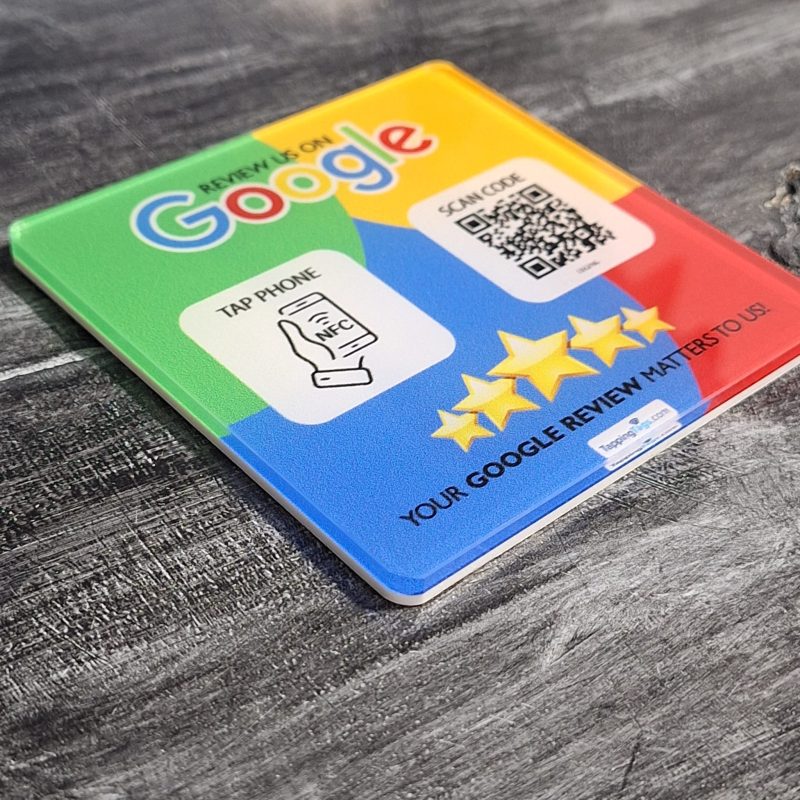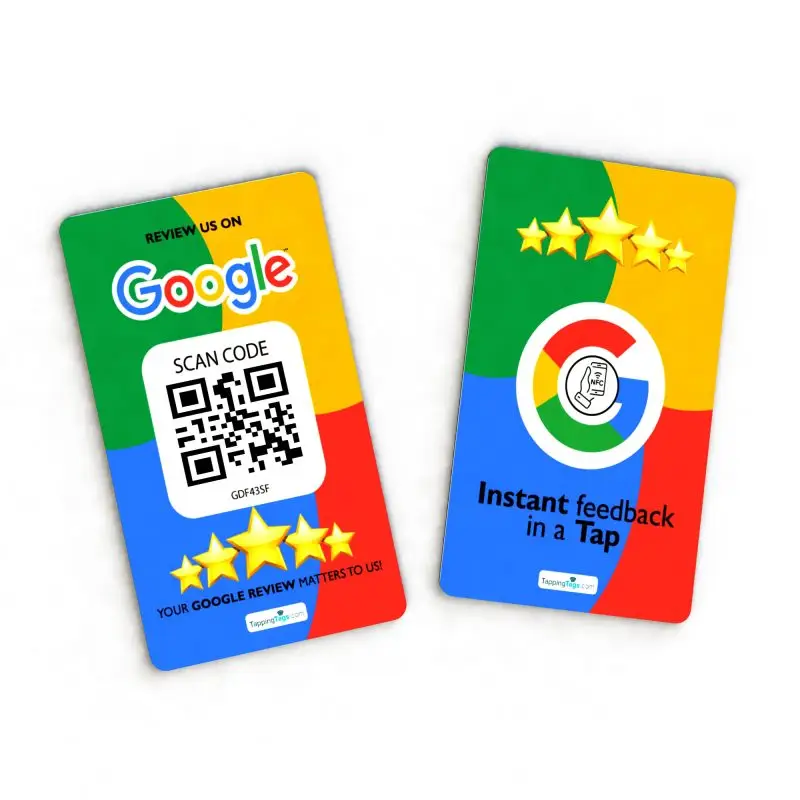
In today’s competitive digital landscape, knowing how to use reviews to attract local leads can significantly boost your business’s visibility and credibility. Customer reviews not only influence purchasing decisions but also play a crucial role in local SEO rankings. Revolutionizing customer feedback with NFC technology, Tapping Tags is leading the way in helping businesses gather authentic reviews effortlessly. Their innovative Google Review NFC cards simplify the process by allowing customers to leave feedback with just a tap, enhancing both user experience and engagement. By leveraging tools like Tapping Tags’ NFC-enabled solutions, local businesses can build trust, improve their online reputation, and ultimately drive more foot traffic and qualified leads. Whether you’re a small business owner or a marketing professional, understanding the power of customer reviews and how to collect them effectively is key to growing your local presence.
Understanding the Power of Online Reviews
In today’s digital-first world, online reviews have become a cornerstone of consumer decision-making, especially for local businesses aiming to attract nearby leads. These reviews serve as modern-day word-of-mouth, influencing potential customers before they even step foot into a store or make a phone call. According to a 2023 report by BrightLocal, 98 percent of consumers read online reviews for local businesses, and 87 percent said they would only consider a business with a rating of 3 stars or higher. This demonstrates the immense power that online reviews hold in shaping public perception and driving local traffic.
Online reviews not only build trust but also significantly impact local search engine optimization (SEO). Google’s algorithm considers review quantity, quality, and frequency as ranking factors for local search results. This means that a business with a high volume of positive reviews is more likely to appear in the coveted “local pack” — the top three listings shown in Google’s local search results. For small and medium-sized businesses, this visibility can be a game-changer, leading to increased foot traffic, phone inquiries, and ultimately, conversions.
The psychological impact of reviews cannot be overstated. When potential customers see that others have had positive experiences, it creates a sense of social proof. This is especially important in local markets where trust and reputation are paramount. A Harvard Business School study found that a one-star increase in a Yelp rating can lead to a 5 to 9 percent increase in revenue. This statistic underscores the direct correlation between online reputation and business success.
Moreover, reviews offer invaluable insights into customer preferences and pain points. By analyzing feedback, businesses can identify trends, improve their products or services, and tailor their marketing strategies to better meet customer needs. This proactive approach not only enhances customer satisfaction but also fosters loyalty and repeat business.
Another compelling aspect of online reviews is their role in content generation. User-generated content, such as reviews, adds fresh and authentic material to your online presence, which search engines favor. This can improve your website’s authority and relevance, further boosting your SEO efforts. Additionally, featuring positive reviews on your website or social media platforms can enhance credibility and encourage more engagement.
To illustrate the impact of online reviews, consider the following examples:
- A local bakery in Chicago saw a 30 percent increase in foot traffic after encouraging satisfied customers to leave Google reviews, which helped them appear in the top three local search results.
- A plumbing service in Austin used customer testimonials on their website and social media, resulting in a 25 percent increase in service calls within three months.
- A boutique fitness studio in Miami responded to every review, positive or negative, showcasing their commitment to customer satisfaction. This led to a noticeable improvement in their overall rating and customer retention.
These examples highlight how strategic use of online reviews can lead to tangible business growth. However, it’s not just about collecting reviews; it’s about managing them effectively. Responding to reviews, whether they are positive or negative, shows that you value customer feedback and are committed to continuous improvement. This level of engagement can turn a dissatisfied customer into a loyal advocate and demonstrate to potential leads that your business is trustworthy and responsive.
It’s also important to diversify the platforms where your reviews appear. While Google is the most influential for local SEO, platforms like Yelp, Facebook, and industry-specific directories also play a crucial role. Encouraging customers to leave reviews across multiple platforms can broaden your reach and enhance your online presence.
To get started, businesses should implement a review acquisition strategy. This can include sending follow-up emails after a purchase, providing incentives for leaving a review, or simply asking satisfied customers in person. Tools like TappingTags can help streamline this process by integrating review requests into your customer engagement strategy. Learn more about how TappingTags can support your business by visiting our home page or exploring our shop for innovative solutions.
Additionally, transparency and authenticity are key. Avoid fake reviews or incentivizing only positive feedback, as this can backfire and damage your credibility. Instead, focus on delivering exceptional service and encouraging honest feedback. According to a study by Spiegel Research Center, products with reviews are 270 percent more likely to be purchased than those without, and the likelihood increases even more for higher-priced items.
“Online reviews are no longer optional — they are essential for any business looking to thrive in a competitive local market.”
For businesses looking to deepen their understanding of how reviews impact local SEO and customer behavior, resources like Moz’s Local SEO Guide (https://moz.com/learn/seo/local) and Google’s own guidelines on managing business reviews (https://support.google.com/business/answer/3474122) offer valuable insights.
In conclusion, online reviews are a powerful tool for attracting local leads. They influence search rankings, build trust, provide customer insights, and generate valuable content. By actively managing and leveraging reviews, local businesses can enhance their visibility, reputation, and ultimately, their bottom line. To learn more about how your business can benefit from a robust review strategy, visit our about page or contact us for personalized support.
Why Reviews Matter for Local SEO
Online reviews have become a powerful tool in shaping consumer behavior, especially when it comes to local businesses. In the digital age, potential customers often turn to reviews before making a decision about where to eat, shop, or seek services. This shift in consumer behavior has made reviews a critical component of local search engine optimization. Search engines like Google consider reviews as a key ranking factor when determining which businesses appear in local search results. The quantity, quality, and frequency of reviews can significantly influence a business’s visibility in local search listings. When a business consistently receives positive reviews, it signals to search engines that the business is trustworthy and provides value to its customers. This trust factor plays a crucial role in boosting local rankings, making it easier for potential leads to discover the business.
Moreover, reviews contribute to the freshness of a business’s online presence. Regularly updated content, including new customer reviews, shows search engines that the business is active and engaged with its audience. This ongoing interaction can help maintain or improve a business’s position in local search results. Additionally, reviews often contain keywords that are naturally integrated into customer feedback. These keywords can enhance the relevance of a business’s online profile, further supporting its local SEO efforts. For example, if customers frequently mention specific services or products in their reviews, those terms can help the business appear in related search queries. This organic keyword inclusion is a subtle yet effective way to improve search visibility without appearing overly promotional.
Another important aspect of reviews is their impact on click-through rates. When users see a business with a high star rating and numerous positive reviews, they are more likely to click on that listing over others with fewer or lower-rated reviews. This increased engagement sends positive signals to search engines, reinforcing the business’s relevance and authority in its local area. In turn, this can lead to even higher rankings and more visibility. Furthermore, reviews provide social proof, which is a psychological phenomenon where people assume the actions of others reflect correct behavior. When potential customers see that others have had a positive experience with a business, they are more likely to trust and choose that business themselves.
Incorporating reviews into your local SEO strategy also enhances your business’s credibility and reputation. Responding to reviews, whether positive or negative, shows that you value customer feedback and are committed to improving your services. This level of engagement not only builds trust with your audience but also demonstrates to search engines that your business is active and customer-focused. It’s important to maintain a consistent review management strategy, encouraging satisfied customers to leave feedback and addressing concerns promptly. This proactive approach can lead to a steady stream of positive reviews, which in turn supports your local SEO goals.
Additionally, reviews can serve as a valuable source of insights into customer preferences and expectations. By analyzing the content of reviews, businesses can identify trends, strengths, and areas for improvement. This information can be used to refine marketing strategies, enhance customer service, and tailor offerings to better meet the needs of the local market. Understanding what customers appreciate or dislike can help businesses make informed decisions that align with their target audience’s preferences. This customer-centric approach not only improves satisfaction but also contributes to long-term loyalty and word-of-mouth referrals.
For businesses looking to attract more local leads, integrating reviews into their overall marketing strategy is essential. This includes optimizing your Google Business Profile, encouraging satisfied customers to leave reviews, and showcasing positive feedback on your website and social media channels. For example, adding a dedicated testimonials section or displaying recent reviews on your homepage can reinforce your credibility and influence potential customers. You can explore more about how to present your business effectively by visiting our home page. Additionally, understanding the story behind your brand and how it resonates with your audience can be explored further on our about page.
In conclusion, reviews are a vital element of local SEO that can significantly impact your business’s online visibility, reputation, and ability to attract local leads. They serve as a form of digital word-of-mouth, influencing potential customers and search engine algorithms alike. By actively managing and leveraging reviews, businesses can enhance their local presence, build trust with their audience, and ultimately drive more traffic and conversions. Whether you are a small local shop or a growing service provider, prioritizing reviews as part of your SEO strategy is a smart and effective way to stand out in a competitive local market.
Choosing the Right Review Platforms for Your Business
When it comes to leveraging reviews to attract local leads, selecting the appropriate review platforms is a critical step that can significantly influence your business’s visibility and credibility. Not all review sites are created equal, and the right platform for your business depends on your industry, target audience, and local market. For example, a restaurant may benefit more from Yelp and TripAdvisor, while a home service provider might find greater value in platforms like Google Business Profile and Angi. Google Business Profile, in particular, is essential for local SEO, as it directly impacts how your business appears in local search results and on Google Maps. Ensuring your business is listed and actively managed on this platform can dramatically improve your chances of being discovered by nearby customers searching for your services. Additionally, Facebook reviews can be influential due to the platform’s social sharing capabilities, allowing satisfied customers to organically promote your business to their network.
Understanding where your potential customers are most likely to search for reviews is key. Conducting a bit of market research or even asking your current customers where they found you can provide valuable insights. For instance, if your audience is more active on social media, platforms like Facebook and Instagram may be more effective. On the other hand, if your business is product-based, platforms like Amazon or niche-specific review sites might be more suitable. It is also important to consider the credibility and trustworthiness of the platform. Consumers tend to trust reviews on platforms that have strict moderation policies and verified user systems. This trust can translate into higher conversion rates when potential leads read positive feedback about your business.
Another factor to consider is the ease of use and accessibility of the platform for both you and your customers. A platform that allows customers to leave reviews quickly and without hassle will likely result in a higher volume of feedback. Moreover, platforms that offer features such as review response tools, analytics, and integration with your website or CRM system can provide added value. For example, integrating reviews from your chosen platform into your website can enhance user trust and improve on-site engagement. You can also use these reviews in your marketing materials, such as social media posts or email campaigns, to further build credibility.
It is also beneficial to diversify your presence across multiple platforms rather than relying on just one. This strategy not only increases your reach but also protects your reputation in case one platform experiences issues or changes its policies. However, it is crucial to maintain consistency in your business information across all platforms, including your name, address, phone number, and website URL. Inconsistent information can confuse potential leads and negatively impact your local SEO rankings. Regularly monitoring and updating your listings ensures that your business remains trustworthy and easy to find.
For businesses looking to enhance their online presence and attract more local leads, it is essential to align your review platform strategy with your overall digital marketing goals. This includes integrating your review efforts with your website and social media channels. For example, linking to your review profiles from your website’s home page or including customer testimonials on your about page can reinforce your credibility. Additionally, encouraging satisfied customers to leave reviews through follow-up emails or in-person requests can help build a steady stream of positive feedback. Make sure to respond to reviews promptly and professionally, whether they are positive or negative, as this demonstrates your commitment to customer satisfaction and can influence potential leads who are reading through your reviews.
Ultimately, choosing the right review platforms is about understanding where your audience is, what they value, and how they make purchasing decisions. By strategically selecting and managing your presence on the most relevant platforms, you can build a strong online reputation that attracts and converts local leads. Whether you are a small business just starting out or an established company looking to expand your reach, investing time and effort into the right review platforms can yield significant returns in terms of visibility, trust, and customer acquisition. If you need help identifying the best platforms for your business or want to learn more about how to optimize your review strategy, feel free to contact us for expert guidance.
Encouraging Satisfied Customers to Leave Reviews
One of the most effective ways to leverage reviews for attracting local leads is by actively encouraging your satisfied customers to share their positive experiences. Happy customers are often willing to leave a review, but many simply need a gentle reminder or a convenient way to do so. Start by making the review process as simple and accessible as possible. This can be achieved by sending follow-up emails after a purchase or service, including direct links to your preferred review platforms. You can also ask for reviews in person, especially after a successful interaction, or include a review request on receipts, business cards, or packaging. Timing is crucial—reach out when the customer is most satisfied, such as immediately after a successful transaction or when they express appreciation for your service. Personalizing your request can also make a big difference. Instead of a generic message, tailor your communication to reflect the specific product or service they received. For example, “We’re thrilled you enjoyed your recent visit. Would you mind sharing your experience in a quick review?” This approach not only shows that you value their opinion but also increases the likelihood of them taking action. Additionally, offering incentives such as discounts on future purchases or entry into a giveaway can motivate customers to leave a review, though it’s important to ensure these incentives comply with platform guidelines. Displaying existing positive reviews prominently on your website and social media channels can also inspire others to contribute their feedback. When potential customers see that others have had great experiences, they are more likely to trust your business and feel encouraged to share their own stories. Furthermore, training your team to recognize opportunities to ask for reviews during customer interactions can significantly boost your review count. Empower your staff to engage with customers in a friendly and professional manner, and to identify moments when a customer is clearly satisfied. These are ideal opportunities to request a review. Remember, consistency is key. Make review generation a regular part of your customer service strategy rather than a one-time effort. Over time, this will help build a strong foundation of social proof that enhances your local SEO and attracts more local leads. For more information about how our products can support your business growth, visit our home page or learn more about our mission. If you have any questions or need assistance, feel free to contact us anytime.
Responding to Reviews to Build Trust
One of the most effective ways to leverage online reviews for attracting local leads is by actively engaging with customer feedback. Responding to reviews, whether positive or negative, demonstrates that your business values customer opinions and is committed to providing excellent service. This level of engagement builds trust with potential customers who are researching your business online. When people see that you take the time to acknowledge and address feedback, they are more likely to view your business as reliable and customer-focused. For instance, a thoughtful response to a positive review can reinforce a satisfied customer’s loyalty while also showcasing your strengths to new prospects. On the other hand, a professional and empathetic reply to a negative review can turn a potentially damaging situation into an opportunity to show your dedication to improvement and customer satisfaction.
Timely and personalized responses are key. Avoid generic replies and instead tailor your message to the specific feedback provided. Thank the reviewer for their input, address any concerns they mentioned, and offer a solution if applicable. This approach not only helps resolve individual issues but also signals to others that your business is proactive and transparent. Additionally, responding to reviews can improve your local SEO rankings, making it easier for nearby customers to find your business online. Search engines favor businesses that engage with their audience, and consistent interaction through review responses can contribute to higher visibility in local search results.
Moreover, integrating review management into your overall customer service strategy can enhance your brand reputation. Encourage satisfied customers to leave reviews and make it a habit to respond to each one. This ongoing dialogue fosters a sense of community and encourages repeat business. If you are looking to streamline your customer engagement efforts, consider exploring the tools and services available on our shop page. These solutions can help you manage reviews more efficiently and maintain a strong online presence.
Understanding the importance of customer feedback and how to respond effectively can set your business apart in a competitive local market. For more information about our mission and how we support local businesses, visit our about page. If you have any questions or need assistance with your review strategy, feel free to reach out through our contact-us page. By consistently engaging with reviews, you not only build trust with your current customers but also create a positive impression that attracts new local leads.
Showcasing Positive Reviews on Your Website
One of the most effective ways to attract local leads is by prominently displaying positive customer reviews on your website. These testimonials serve as social proof, helping to build trust and credibility with potential clients who are considering your products or services. When visitors land on your site and see genuine feedback from satisfied customers, they are more likely to feel confident in choosing your business over competitors. To maximize the impact of these reviews, strategically place them on high-traffic pages such as your homepage, product pages, and service descriptions. This ensures that new visitors are immediately exposed to the positive experiences others have had with your brand. Incorporating reviews into your website design can also enhance user engagement. For example, using a rotating carousel or a dedicated testimonial section can make the content more dynamic and visually appealing. Additionally, consider integrating star ratings and customer photos where possible, as these elements add authenticity and relatability to the reviews.
To further boost your local SEO efforts, ensure that the reviews include relevant keywords and location-specific terms. This not only helps in ranking higher in local search results but also reinforces your presence in the community. Encourage your customers to mention specific services or products they used, as well as the city or neighborhood they are from. This localized content can significantly improve your visibility to nearby prospects searching for similar offerings. Moreover, linking to other important sections of your website can guide users through a seamless journey. For instance, after reading a glowing review, a visitor might be interested in learning more about your company. You can facilitate this by linking to your about page, where they can gain deeper insights into your mission, values, and team. Similarly, if a review highlights a particular product, directing users to your shop page can encourage immediate purchases.
Another key aspect is keeping your reviews up to date. Regularly refreshing the testimonials on your site shows that your business is active and consistently delivering quality service. Outdated reviews may give the impression that your business is no longer thriving or that customer satisfaction has declined. Make it a habit to request feedback from recent clients and update your website accordingly. This not only keeps your content fresh but also demonstrates your commitment to customer satisfaction. Additionally, make it easy for visitors to leave their own reviews by providing clear calls to action and links to review platforms or a dedicated feedback form. This can be facilitated through your contact-us page, where users can quickly share their experiences or ask questions. By making the review process simple and accessible, you increase the likelihood of receiving more positive testimonials, which in turn attract more local leads.
Incorporating positive reviews into your website is not just about showcasing praise; it is about creating a trustworthy and engaging environment that encourages potential customers to take action. When done thoughtfully, this strategy can significantly enhance your online presence, improve your local search rankings, and ultimately drive more traffic and conversions for your business.
Leveraging Reviews in Your Social Media Strategy
Integrating customer reviews into your social media strategy is a powerful way to attract local leads and build trust with potential customers. In today’s digital landscape, social media platforms are not just for sharing content—they are dynamic spaces where consumers seek validation, recommendations, and real-time engagement with brands. By showcasing positive reviews on platforms like Facebook, Instagram, and Twitter, businesses can amplify their credibility and influence purchasing decisions. When local prospects see authentic testimonials from satisfied customers in their area, it reinforces the reliability of your products or services and encourages them to take action.
To begin, identify the most impactful reviews that highlight your strengths and align with the interests of your target audience. These could be testimonials that mention specific services, exceptional customer service, or successful outcomes. Once selected, repurpose these reviews into visually appealing posts. Use branded graphics, customer photos, or short video clips to make the content more engaging. Tagging the customer, with their permission, can also increase reach and authenticity. This not only boosts visibility but also encourages others to leave their own feedback, knowing it might be featured.
Consistency is key when incorporating reviews into your social media calendar. Create a regular posting schedule that includes a mix of promotional content, educational posts, and customer testimonials. This balanced approach keeps your audience engaged while subtly reinforcing your brand’s value through social proof. Additionally, consider using stories and reels to share quick snippets of reviews. These formats are highly engaging and often prioritized by social media algorithms, increasing the chances of reaching a broader local audience.
Another effective tactic is to use location-based hashtags and geotags when posting reviews. This helps your content appear in local searches and connects you with users in your vicinity. For example, a local bakery could use hashtags like #DowntownBakery or #CityNameEats along with a glowing review to attract nearby food lovers. Engaging with local influencers or community pages can also amplify your reach. Share reviews in collaboration with these local voices to tap into their established audiences and build trust more quickly.
Encouraging user-generated content is another way to leverage reviews on social media. Invite customers to share their experiences and tag your business in their posts. Reposting this content not only provides authentic testimonials but also fosters a sense of community and appreciation. You can even run contests or giveaways that reward customers for sharing their reviews online, further incentivizing participation and spreading positive word-of-mouth.
Social media also offers the opportunity to respond publicly to reviews, both positive and negative. A thoughtful response to a positive review shows appreciation and reinforces a positive brand image. Addressing negative feedback with professionalism and a willingness to resolve issues demonstrates accountability and can turn a dissatisfied customer into a loyal one. These interactions are visible to all followers, showcasing your commitment to customer satisfaction.
To streamline the process, consider using social media management tools that allow you to schedule review posts, monitor engagement, and track performance metrics. Analyzing which types of reviews generate the most engagement can help refine your strategy over time. For instance, reviews that mention specific benefits or outcomes may resonate more with your audience than generic praise.
Integrating reviews into your paid social media campaigns can also yield significant results. Use high-performing testimonials as ad copy or visuals in targeted ads aimed at local demographics. This approach combines the persuasive power of social proof with the precision of digital advertising, increasing your chances of converting leads into customers.
Moreover, linking your social media posts to relevant pages on your website can drive traffic and improve SEO. For example, a post featuring a review about a specific product can include a link to the product page on your shop. Similarly, a testimonial about your company’s excellent service can link to your about page, giving potential customers more context and encouraging them to explore further.
In conclusion, leveraging reviews in your social media strategy is an essential component of attracting local leads. By thoughtfully curating and sharing customer testimonials, engaging with your audience, and integrating reviews into both organic and paid content, you can build trust, increase visibility, and drive meaningful engagement. Social media offers a unique platform to humanize your brand and showcase real customer experiences, making it a vital tool in your local marketing efforts.
Using Reviews to Improve Your Local Search Rankings
One of the most effective yet often underutilized strategies for boosting your visibility in local search results is leveraging customer reviews. Search engines like Google place a high value on user-generated content, especially reviews, when determining local rankings. When your business consistently receives positive feedback, it signals to search engines that your company is trustworthy, relevant, and actively engaged with its customers. This can significantly enhance your position in local search listings, making it easier for potential leads in your area to find you.
To start, it’s essential to encourage satisfied customers to leave reviews on platforms like Google Business Profile, Yelp, and Facebook. These reviews not only provide social proof to prospective clients but also contribute to your local SEO by increasing the volume of relevant keywords associated with your business. For example, if a customer mentions a specific product or service in their review, that keyword can help your business appear in related searches. The more detailed and keyword-rich the reviews, the better your chances of ranking higher in local search results.
Responding to reviews is another critical component. Whether the feedback is positive or negative, engaging with reviewers shows that your business values customer input and is committed to continuous improvement. This interaction not only builds trust with existing and potential customers but also signals to search engines that your business is active and customer-focused. Timely and thoughtful responses can enhance your online reputation and encourage more people to leave reviews, creating a positive feedback loop that benefits your local SEO.
Consistency is key when it comes to reviews. Make it a part of your customer service process to request feedback after a purchase or service. You can do this through follow-up emails, text messages, or even in-person reminders. The more reviews you accumulate over time, the more credible and established your business appears to both search engines and customers. Additionally, having a steady stream of recent reviews helps maintain your relevance in search algorithms, which often prioritize businesses with ongoing customer engagement.
It’s also important to ensure that your business information is accurate and consistent across all review platforms. This includes your business name, address, phone number, and website URL. Inconsistent information can confuse search engines and negatively impact your local rankings. Make sure your listings are up-to-date and match the details on your official website. For example, if your business is listed on Google as "Tapping Tags Co." but your website uses "Tapping Tags," this discrepancy could hurt your SEO performance.
Incorporating reviews into your website can further enhance your local search visibility. Displaying customer testimonials on your homepage or product pages not only adds credibility but also increases the amount of keyword-rich content on your site. This can help search engines better understand what your business offers and improve your chances of appearing in relevant local searches. You can explore how to integrate reviews effectively by visiting our home page, where we showcase real customer experiences.
Another strategy is to use schema markup to tag your reviews with structured data. This allows search engines to better interpret the content of your reviews and may even result in rich snippets appearing in search results. Rich snippets can include star ratings, review counts, and other information that makes your listing more attractive and clickable. Implementing schema markup requires some technical knowledge, but the potential benefits for your local SEO are well worth the effort.
Monitoring your reviews regularly is also crucial. Set up alerts or use reputation management tools to stay informed about new reviews as they come in. This allows you to respond promptly and address any issues before they escalate. It also helps you identify trends in customer feedback that can inform your business strategy. For instance, if multiple customers mention a specific issue, it may be time to reevaluate that aspect of your service or product.
Encouraging reviews on niche or industry-specific platforms can also boost your local SEO. These platforms often have high domain authority and can drive targeted traffic to your site. For example, if you run a pet supply store, getting reviews on pet-focused directories can enhance your visibility among local pet owners. These specialized reviews can also help you stand out from competitors who may only focus on general platforms like Google or Yelp.
Finally, make it easy for customers to leave reviews by providing direct links and clear instructions. You can include these links in your email signatures, on your receipts, or through QR codes in your physical store. The easier it is for customers to leave a review, the more likely they are to do so. For more information on how we engage with our customers and encourage feedback, visit our about page.
In summary, using reviews to improve your local search rankings is a multifaceted approach that involves encouraging customer feedback, responding thoughtfully, maintaining consistent business information, and integrating reviews into your online presence. By making reviews a central part of your local SEO strategy, you not only enhance your visibility but also build a stronger, more trustworthy brand. If you have any questions or need assistance in implementing these strategies, feel free to reach out through our contact-us page.
Turning Negative Reviews into Opportunities
Negative reviews can feel like a setback, but for local businesses aiming to attract more leads, they can actually serve as powerful tools for growth and engagement. When handled correctly, a negative review offers a unique opportunity to demonstrate your commitment to customer satisfaction, transparency, and continuous improvement. Potential customers often read reviews to gauge how a business responds to criticism, and a thoughtful, professional reply can leave a lasting positive impression. Instead of ignoring or deleting unfavorable feedback, acknowledge the customer’s concerns, apologize sincerely if necessary, and offer a solution or next step. This approach not only helps to rebuild trust with the dissatisfied customer but also shows prospective leads that your business values its clients and is proactive in resolving issues.
Moreover, negative reviews can highlight areas where your business might need improvement. Use this feedback constructively to refine your products, services, or customer experience. For instance, if multiple reviews mention slow response times, consider implementing a more efficient communication system. By actively addressing these concerns, you not only improve your offerings but also demonstrate a willingness to evolve based on customer input. This can significantly enhance your reputation in the local market and attract leads who appreciate businesses that listen and adapt.
In addition, responding to negative reviews can boost your local SEO. Search engines favor businesses that engage with their customers, and consistent, keyword-rich responses to reviews can improve your visibility in local search results. This increased visibility can drive more traffic to your website and ultimately generate more leads. Make sure your business information is accurate and up-to-date across all platforms, and encourage satisfied customers to leave positive reviews to balance out any negative ones.
To further strengthen your online presence and convert more local leads, ensure your website reflects the same level of professionalism and responsiveness you show in your review replies. A well-designed, user-friendly site like the one found on our homepage can make a strong first impression. Visitors should be able to easily find information about your services, read testimonials, and contact you with ease. If they want to learn more about your company’s values and history, direct them to the about page, where they can gain deeper insight into your mission and commitment to customer satisfaction.
Ultimately, turning negative reviews into opportunities is about shifting your mindset. Instead of viewing them as damaging, see them as a chance to connect with your audience, improve your business, and showcase your dedication to excellence. When potential leads see that you handle criticism with grace and professionalism, they are more likely to trust you with their business.
Creating a Review Generation Strategy
Developing a strong review generation strategy is essential for businesses aiming to attract more local leads and build a trustworthy online presence. Reviews not only influence purchasing decisions but also play a significant role in local search engine optimization. To begin with, businesses should identify the most effective platforms where their target audience is likely to leave and read reviews. These typically include Google Business Profile, Yelp, Facebook, and industry-specific directories. Encouraging satisfied customers to leave positive feedback on these platforms can significantly enhance a company’s visibility in local search results. One of the most effective ways to generate reviews is by integrating the request into the customer journey. For example, after a successful transaction or service, businesses can send a follow-up email or SMS thanking the customer and politely asking for a review. Including a direct link to the review platform simplifies the process and increases the likelihood of participation.
Timing is also crucial when requesting reviews. Asking too early may result in a less enthusiastic response, while waiting too long might lead to missed opportunities. Ideally, businesses should reach out when the customer is most satisfied with the product or service. Additionally, training staff to ask for reviews in person, especially in service-based industries, can be highly effective. A friendly verbal request at the end of a positive interaction often feels more personal and genuine. To further streamline the process, businesses can use tools and software that automate review requests and monitor feedback across multiple platforms. These tools can help identify trends, respond to reviews promptly, and maintain a consistent online reputation.
Incentivizing reviews can also be part of the strategy, but it must be done ethically and in compliance with platform guidelines. Offering a small token of appreciation, such as a discount on a future purchase or entry into a giveaway, can motivate customers to share their experiences. However, it is important to encourage honest feedback rather than only seeking positive reviews. Transparency builds trust and shows potential customers that the business values all types of feedback. Another effective tactic is showcasing existing reviews on the company’s website and social media channels. This not only reinforces credibility but also encourages others to contribute their own experiences. For example, businesses can feature customer testimonials on their homepage or create a dedicated section for reviews.
Consistency is key in any review generation strategy. Businesses should make it a routine part of their operations to request and manage reviews. This ongoing effort helps maintain a steady flow of fresh feedback, which is favored by search engines and potential customers alike. Moreover, responding to reviews, whether positive or negative, demonstrates that the business values customer input and is committed to continuous improvement. This level of engagement can turn a neutral or even negative experience into a positive one, potentially converting dissatisfied customers into loyal advocates.
To support these efforts, businesses should ensure that their online presence is optimized and up-to-date. This includes having accurate contact information, business hours, and service descriptions across all platforms. A well-maintained online profile not only improves local SEO but also makes it easier for customers to find and review the business. Additionally, integrating review prompts into physical locations, such as QR codes on receipts or signage, can capture feedback from walk-in customers who may not engage digitally otherwise.
For businesses looking to enhance their review strategy further, exploring tools and services that specialize in reputation management can be beneficial. These solutions often offer analytics, sentiment tracking, and competitive benchmarking to help businesses understand how they are perceived in the market. Leveraging such insights allows for more targeted improvements and better customer experiences. As part of a broader digital marketing plan, reviews should be aligned with other efforts such as social media engagement, content marketing, and local advertising to create a cohesive brand image.
Ultimately, a well-executed review generation strategy not only boosts local visibility but also fosters trust and loyalty among potential leads. By making it easy for customers to leave feedback, responding thoughtfully, and continuously optimizing the process, businesses can turn reviews into a powerful tool for growth. For more information about how your business can benefit from digital tools and customer engagement strategies, visit our about page or explore our range of solutions in the shop. If you have any questions or need personalized assistance, feel free to contact us.
Monitoring and Managing Your Online Reputation
Effectively leveraging customer reviews to attract local leads requires more than just collecting positive feedback—it also involves consistently monitoring and managing your online reputation. In today’s digital landscape, potential customers often turn to online reviews before making a purchasing decision. A single negative review or an unanswered customer complaint can influence their perception and drive them toward a competitor. Therefore, businesses must be proactive in tracking what is being said about them across various platforms such as Google, Yelp, Facebook, and industry-specific directories. Regularly checking these platforms allows businesses to respond promptly to both positive and negative feedback, demonstrating a commitment to customer satisfaction and transparency.
Responding to reviews, especially negative ones, in a professional and empathetic manner can actually enhance your reputation. When potential customers see that you take the time to address concerns and resolve issues, it builds trust and shows that you value your clientele. This level of engagement can turn a dissatisfied customer into a loyal one and even encourage others to leave their own feedback. Additionally, thanking customers for positive reviews reinforces good relationships and encourages repeat business. It is essential to maintain a consistent tone and message that aligns with your brand values in all responses.
Monitoring tools and alerts can be valuable assets in managing your online reputation. Setting up Google Alerts for your business name, using reputation management software, or even assigning a team member to oversee review platforms can ensure that no comment goes unnoticed. This proactive approach helps you stay ahead of potential issues and allows you to identify trends in customer feedback. For example, if multiple reviews mention slow service, it may indicate an operational issue that needs addressing. By acting on this feedback, you not only improve your services but also show customers that their opinions matter.
Another key aspect of managing your online reputation is encouraging satisfied customers to leave reviews. Often, happy customers need a gentle nudge to share their experiences. This can be done through follow-up emails, in-store signage, or even QR codes that link directly to your review profiles. The more positive reviews you accumulate, the more credible and appealing your business appears to local leads. However, it is important to follow platform guidelines and avoid incentivizing reviews in a way that could be considered unethical or manipulative.
Transparency and authenticity are crucial when managing your online presence. Avoid the temptation to delete negative reviews unless they violate platform policies. Instead, use them as an opportunity to showcase your customer service skills. A well-handled complaint can be more persuasive than a dozen glowing reviews, as it demonstrates your willingness to take responsibility and improve. Additionally, maintaining a consistent presence across all review platforms ensures that your business appears active and engaged, which can positively influence search engine rankings and local SEO performance.
Integrating review management into your overall marketing strategy can yield long-term benefits. For instance, showcasing positive testimonials on your website or social media channels can enhance your brand image and attract more local leads. You can also use customer feedback to refine your products or services, making your business more competitive in the local market. Consider linking your review profiles to your website to make it easier for visitors to read and leave feedback. This not only improves user experience but also boosts your credibility.
For businesses looking to streamline their reputation management efforts, partnering with a professional service or using digital tools can be highly effective. These solutions often offer features like automated review requests, sentiment analysis, and performance tracking, enabling you to make data-driven decisions. Whether you are a small business or a growing enterprise, investing in your online reputation is essential for attracting and retaining local leads.
If you are new to managing your digital presence or need help getting started, visiting our home page can provide you with valuable insights and tools tailored to your business needs. You can also learn more about our mission and services by exploring the about section. For personalized assistance or to discuss your specific goals, feel free to reach out through our contact-us page. By taking control of your online reputation, you not only protect your brand but also create a powerful magnet for attracting local leads.
Using Customer Feedback to Improve Services
Customer feedback plays a pivotal role in shaping the quality and direction of your services, especially when your goal is to attract more local leads. Reviews are not just testimonials; they are valuable insights into what your customers appreciate and what areas need improvement. By actively listening to your customers and analyzing their feedback, businesses can make informed decisions that enhance service delivery, build stronger relationships, and foster trust within the local community. Whether the feedback is positive or negative, each comment provides a unique opportunity to refine your offerings and better meet the expectations of your target audience. For instance, if multiple reviews mention slow response times or unclear communication, these are clear indicators that your customer service processes may need to be streamlined. On the other hand, consistent praise for a particular product or service feature can help you identify your strengths and promote them more effectively in your marketing efforts.
To make the most of customer feedback, it is essential to establish a systematic approach to collecting, analyzing, and implementing suggestions. Start by encouraging reviews across multiple platforms such as Google, Yelp, and social media channels. Make it easy for customers to leave feedback by integrating review prompts into your post-purchase emails or website. Once you gather this information, categorize the feedback into themes such as product quality, customer service, delivery times, or user experience. This categorization helps in identifying patterns and prioritizing areas that require immediate attention. For example, if several customers mention difficulty navigating your website, it may be time to invest in a more user-friendly design or update your site’s layout. You can also use this opportunity to direct users to specific pages like your home page or shop section, where they can explore your offerings more easily.
Implementing changes based on customer feedback not only improves your services but also demonstrates that you value your customers’ opinions. This responsiveness can significantly enhance your brand reputation and encourage more people to leave reviews, creating a positive feedback loop. Moreover, sharing updates or improvements that stem from customer suggestions can be a powerful marketing tool. For example, posting on social media or your blog about how customer input led to a new feature or service improvement shows transparency and a commitment to excellence. This kind of engagement builds credibility and can turn satisfied customers into loyal advocates who are more likely to refer your business to others in the local area.
Additionally, integrating feedback into staff training and operational procedures ensures that your entire team is aligned with customer expectations. Regularly reviewing feedback with your team helps maintain a customer-centric culture and encourages continuous improvement. It also empowers employees to take ownership of the customer experience, which can lead to more personalized and effective service. If you are looking to learn more about how your business can benefit from customer insights, consider visiting the about page to understand the mission and values that drive service excellence. For direct inquiries or to share your own feedback, the contact us page is always available for open communication.
In conclusion, leveraging customer feedback is a strategic way to enhance your services and attract more local leads. It allows you to stay attuned to the needs of your community, adapt quickly to changing preferences, and build a loyal customer base that trusts and supports your business. By making feedback a central part of your growth strategy, you not only improve your offerings but also create a more engaging and responsive brand that stands out in the local market.
Integrating Reviews into Your Email Marketing
One of the most effective yet often overlooked strategies for attracting local leads is incorporating customer reviews into your email marketing campaigns. Reviews serve as powerful social proof, helping to build trust and credibility with potential customers who may be unfamiliar with your brand. When integrated thoughtfully, they can significantly enhance the performance of your email outreach by increasing open rates, boosting click-throughs, and ultimately driving conversions. To begin, consider segmenting your email list based on location or customer behavior. This allows you to tailor your messaging and include reviews that are most relevant to each recipient. For example, if you are targeting leads in a specific city, showcasing testimonials from other customers in that area can create a sense of community and trust.
Another effective approach is to include star ratings and brief excerpts from positive reviews in your email headers or subject lines. This not only grabs attention but also sets a positive tone before the recipient even opens the email. Within the body of the email, you can feature longer testimonials or even link to full reviews on your website. Make sure to highlight reviews that mention specific benefits, such as fast service, friendly staff, or high-quality products, as these details resonate more with potential customers. Including a call-to-action that directs readers to your shop page or encourages them to leave their own review can further engage your audience and drive traffic to your site.
Visual elements can also enhance the impact of reviews in your emails. Incorporating customer photos or video testimonials adds authenticity and helps humanize your brand. These visuals can be especially compelling when paired with a short narrative about the customer’s experience. Additionally, consider using dynamic content blocks that automatically update with your latest reviews. This ensures that your emails always feature fresh, relevant content without requiring constant manual updates.
To maintain consistency and reinforce your brand identity, align the tone and design of your review content with the rest of your email. Use similar fonts, colors, and imagery to create a cohesive experience. Also, be sure to include links to your about page or contact page, so recipients can easily learn more about your business or get in touch if they have questions. This not only builds trust but also encourages further interaction with your brand.
Finally, always monitor the performance of your review-integrated emails. Track metrics such as open rates, click-through rates, and conversion rates to understand what types of reviews resonate most with your audience. Use this data to refine your strategy over time, ensuring that your email marketing continues to attract and convert local leads effectively. By leveraging the power of customer reviews in your email campaigns, you can create a more personalized, trustworthy, and engaging experience that drives real results for your business.
Tracking the Impact of Reviews on Lead Generation
Understanding how reviews influence lead generation is essential for any local business aiming to grow its customer base. Reviews not only build trust but also serve as a powerful form of social proof that can directly impact a potential customer’s decision-making process. When a prospective client searches for services or products in their area, they often rely on online reviews to gauge the credibility and quality of a business. Positive reviews can significantly increase the likelihood of a user clicking through to your website, making an inquiry, or visiting your physical location. This behavior translates into higher conversion rates and more qualified leads. To effectively track the impact of reviews on lead generation, businesses should monitor key performance indicators such as website traffic, click-through rates, and conversion metrics before and after receiving new reviews. Tools like Google Analytics and customer relationship management systems can help identify patterns and trends that correlate with review activity. For instance, a spike in website visits or contact form submissions following a series of positive reviews can indicate a direct link between customer feedback and lead generation. Additionally, integrating reviews into your website, especially on high-traffic pages like the home or shop pages, can enhance user engagement and encourage visitors to take action. Encouraging satisfied customers to leave detailed reviews not only improves your online reputation but also provides valuable content that can boost your search engine visibility. Furthermore, responding to reviews, whether positive or negative, demonstrates active customer service and builds trust with potential leads. Businesses should also consider using review snippets in local SEO strategies to increase visibility in search engine results. Over time, consistent tracking and analysis of how reviews affect user behavior can help refine marketing strategies, improve customer experience, and ultimately drive more local leads. By understanding the direct correlation between customer feedback and lead generation, businesses can make informed decisions that support long-term growth and community engagement. For more information about how your business can benefit from leveraging reviews, visit our about page or reach out through our contact-us form.
Sure! Here’s a suitable FAQ section for a blog post on "How to Use Reviews to Attract Local Leads," incorporating key points from previous prompts:
FAQ: How to Use Reviews to Attract Local Leads
-
Why are online reviews important for attracting local leads?
Online reviews build trust and credibility with potential customers in your area. Positive reviews act as social proof, showing that others have had good experiences with your business. This can influence local consumers to choose your services over competitors. -
How can I encourage customers to leave reviews?
You can encourage reviews by:- Asking satisfied customers directly after a purchase or service.
- Sending follow-up emails with a review request and a direct link.
- Offering excellent customer service that naturally motivates people to share their experience.
- Displaying signage in your store or office encouraging reviews on platforms like Google or Yelp.
-
Which review platforms should I focus on?
Focus on platforms most relevant to your local audience, such as:- Google Business Profile (formerly Google My Business)
- Yelp
- Industry-specific sites like TripAdvisor, Angie’s List, or Healthgrades
-
How do I respond to negative reviews?
Respond professionally and promptly. Acknowledge the issue, apologize if necessary, and offer to resolve the problem offline. This shows potential customers that you care about feedback and are committed to customer satisfaction. -
Can I use reviews in my marketing?
Yes! You can showcase positive reviews on your website, social media, email newsletters, and even in print materials. Just be sure to get permission if required and follow platform guidelines. -
How do reviews impact local SEO?
Reviews are a key factor in local search rankings. Google considers the quantity, quality, and recency of reviews when determining local search results. More positive reviews can help your business appear higher in local search listings. -
What’s the best way to manage and monitor reviews?
Use tools like Google Alerts, review monitoring software, or reputation management platforms to track new reviews. Set up notifications so you can respond quickly and stay on top of your online reputation. -
Is it okay to offer incentives for reviews?
Be cautious. Many review platforms, including Google and Yelp, prohibit offering incentives in exchange for reviews. Instead, focus on providing great service and making it easy for customers to leave feedback. -
How often should I ask for reviews?
Make it a regular part of your customer interaction process. For example, after every completed service or sale, include a polite request for a review. Consistency helps maintain a steady flow of fresh reviews. -
What if I don’t have any reviews yet?
Start by asking your most loyal or recent customers. Even a few positive reviews can make a big difference. Also, claim and optimize your business profiles on review platforms to make it easy for people to find and review your business.
This FAQ section helps address common concerns and provides actionable advice for businesses looking to leverage reviews to attract more local leads.