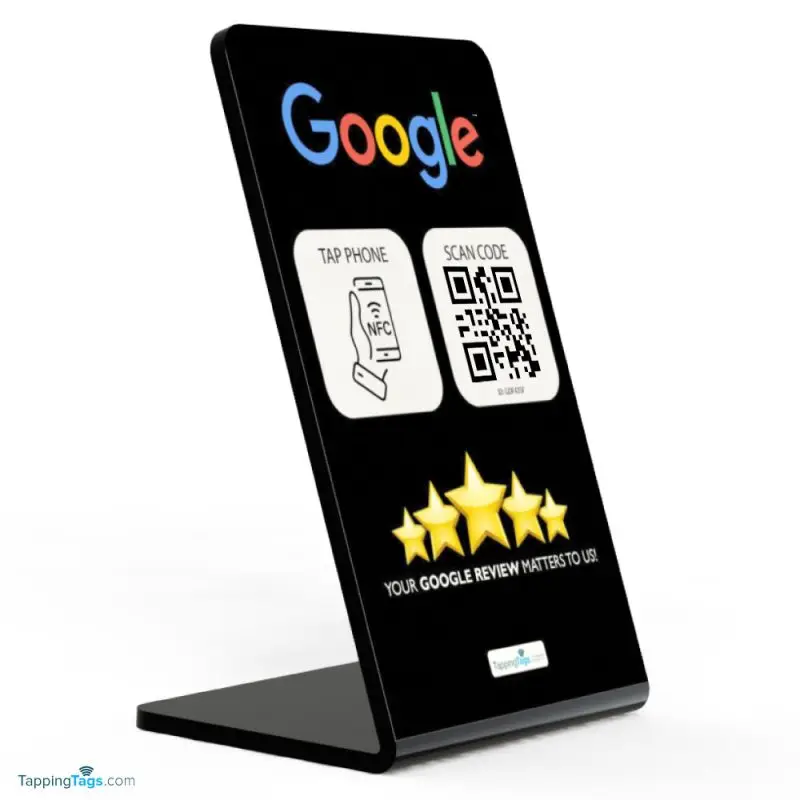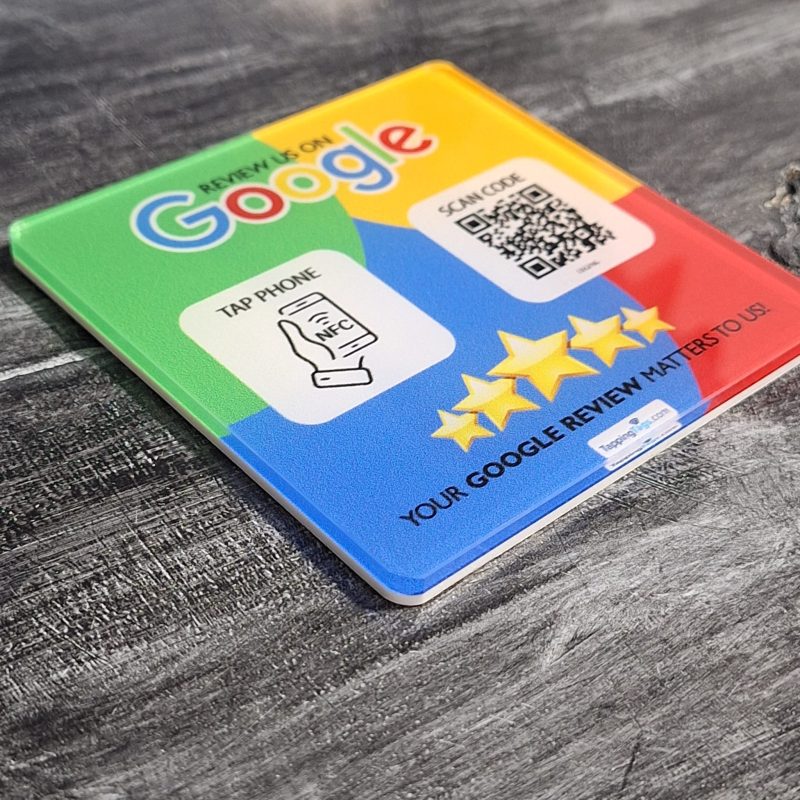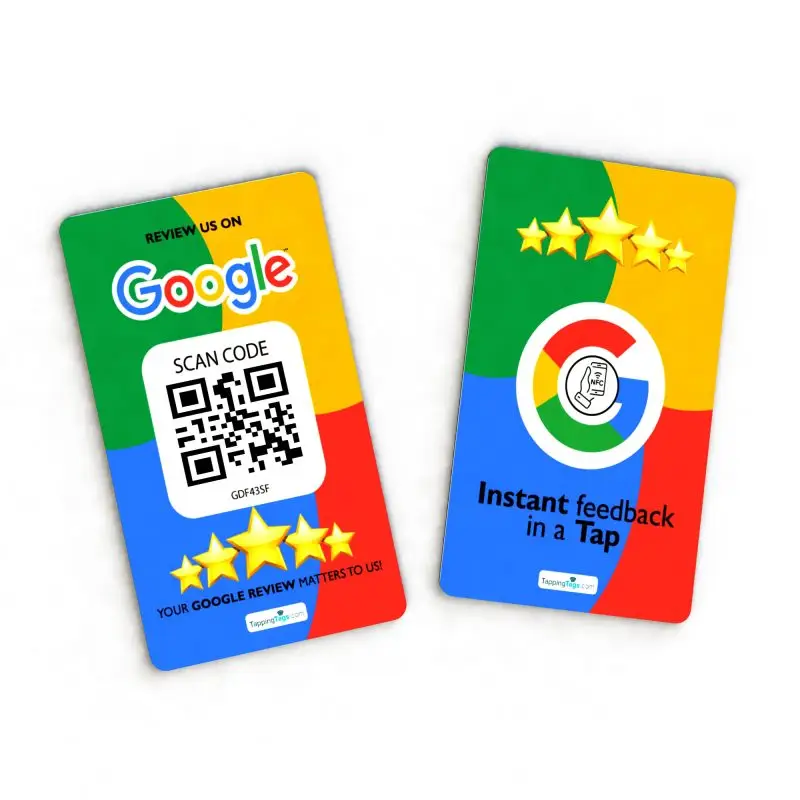
In today’s fast-paced, appointment-driven world, businesses are constantly seeking smarter ways to enhance customer engagement and streamline operations. NFC cards for appointment-based services are emerging as a powerful tool to meet these demands. These smart cards use Near Field Communication (NFC) technology to simplify check-ins, collect instant feedback, and improve overall customer experience. Tapping Tags, a trailblazer in customer engagement solutions, is at the forefront of this innovation. Their Google Review NFC cards are revolutionizing how businesses gather real-time feedback by allowing clients to leave reviews with just a tap. Whether you’re managing a salon, clinic, or consulting service, integrating NFC cards into your appointment system can boost efficiency, increase Google reviews, and strengthen your online reputation. With seamless technology and user-friendly design, Tapping Tags is making it easier than ever for service-based businesses to connect with their clients and grow their digital presence.
What Are NFC Cards and How Do They Work?
NFC cards, short for Near Field Communication cards, are a type of smart card embedded with a microchip and antenna that enable wireless communication with other NFC-enabled devices when brought into close proximity, typically within a few centimeters. These cards are revolutionizing appointment-based services by offering a seamless, contactless way to share and retrieve information, book appointments, and enhance customer interaction. Unlike traditional business cards or appointment systems that rely on manual input or physical interaction, NFC cards streamline the process, making it faster, more efficient, and highly secure.
The core technology behind NFC cards is based on radio-frequency identification (RFID), but with a shorter communication range and enhanced security protocols. When an NFC card is tapped against a compatible device—such as a smartphone or tablet—it transmits stored data instantly. This data can include URLs, contact information, calendar invites, or links to booking platforms. For appointment-based services, this means clients can tap a card and immediately access a booking page, service menu, or even a personalized message from the service provider.
One of the key benefits of NFC cards in appointment-based services is their ability to reduce friction in the customer journey. For instance, a salon owner can hand out NFC cards to clients, who can then tap the card to schedule their next appointment without needing to call or search online. This not only saves time but also enhances the overall customer experience by offering a modern, tech-savvy solution.
According to a report by Statista, the number of NFC-enabled devices worldwide is expected to surpass 2.2 billion by 2024, indicating a growing acceptance and reliance on this technology across various industries. In the context of appointment-based services, this trend opens up new opportunities for businesses to innovate and stay ahead of the competition.
"NFC technology offers a secure and user-friendly way to connect physical and digital experiences, making it ideal for service-based businesses looking to modernize their operations."
NFC cards are also highly customizable, allowing businesses to tailor the embedded data to suit their specific needs. For example, a fitness trainer might program their card to link directly to a calendar with available training slots, while a healthcare provider could link to a secure patient intake form. This flexibility makes NFC cards a versatile tool for a wide range of appointment-based services.
Here are a few practical examples of how NFC cards are being used in real-world scenarios:
- A dental clinic provides patients with NFC cards that link to their online booking system, allowing for easy rescheduling of appointments.
- A beauty salon uses NFC cards to share service menus and promotional offers, enhancing client engagement and retention.
- Freelancers and consultants use NFC cards to instantly share their digital portfolios and booking links during networking events.
Security is another important aspect of NFC technology. Since the communication range is very short, it significantly reduces the risk of unauthorized data interception. Additionally, many NFC systems include encryption and authentication protocols to further protect sensitive information. This makes NFC cards a reliable choice for businesses that handle personal or confidential client data.
For businesses looking to adopt this technology, companies like Tapping Tags offer a range of NFC-enabled products designed specifically for appointment-based services. These include customizable cards, tags, and accessories that can be easily integrated into existing workflows. To learn more about how these solutions can benefit your business, visit their About page or explore their offerings in the Shop section.
In summary, NFC cards are transforming the way appointment-based services operate by offering a fast, secure, and user-friendly method of connecting with clients. As more consumers embrace contactless technology, integrating NFC solutions into your business model can provide a competitive edge and significantly enhance the customer experience. For personalized assistance or to get started with NFC cards, feel free to Contact Us.
Benefits of Using NFC Cards in Appointment-Based Services
NFC cards are revolutionizing the way appointment-based services operate by offering a seamless, contactless, and highly efficient solution for both businesses and clients. These smart cards use Near Field Communication technology to enable quick data exchange with just a tap, eliminating the need for manual check-ins or paperwork. For businesses that rely on scheduled appointments—such as salons, clinics, fitness centers, and consulting firms—NFC cards can significantly enhance operational efficiency and customer satisfaction. By integrating NFC cards into their systems, service providers can streamline the check-in process, reduce wait times, and ensure accurate client identification. This not only improves the overall customer experience but also allows staff to focus more on delivering quality service rather than managing administrative tasks.
One of the key advantages of using NFC cards in appointment-based services is the ability to automate and personalize client interactions. When a client taps their NFC card upon arrival, the system can instantly retrieve their appointment details, preferences, and service history. This enables staff to offer a more tailored experience, which can lead to higher client retention and satisfaction. Additionally, NFC cards can be programmed to send reminders, confirm bookings, or even offer loyalty rewards, making them a powerful tool for customer engagement. For businesses looking to modernize their operations, adopting NFC technology can also serve as a competitive edge, showcasing a commitment to innovation and convenience.
Security and data accuracy are other critical benefits of NFC cards. Unlike traditional paper-based systems or manual entry methods, NFC cards reduce the risk of human error and unauthorized access. Each card can be uniquely encrypted, ensuring that sensitive client information remains protected. This is particularly important for industries that handle confidential data, such as healthcare or legal services. Moreover, the use of NFC cards can help businesses maintain accurate records of client visits, cancellations, and service usage, which is invaluable for reporting and decision-making.
From a branding perspective, NFC cards offer an opportunity to reinforce a business’s identity. Custom-designed cards can feature logos, colors, and other brand elements, turning a functional tool into a marketing asset. Clients are more likely to remember and return to a service that offers a smooth and professional experience, and NFC cards contribute significantly to that impression. Businesses can also integrate these cards with mobile apps or digital platforms to further enhance functionality and user engagement.
Implementing NFC cards is also cost-effective in the long run. While there may be an initial investment in the technology and card production, the savings in time, labor, and administrative costs quickly add up. Reduced reliance on paper, fewer scheduling errors, and improved client flow all contribute to a more efficient and profitable operation. For those interested in exploring how NFC cards can transform their appointment-based services, visiting the home page or learning more about the technology can provide valuable insights. Additionally, businesses ready to take the next step can browse available options in the shop or reach out through the contact-us page for personalized assistance.
In summary, NFC cards offer a modern, secure, and highly efficient solution for appointment-based services. They not only streamline operations and enhance customer experience but also support data accuracy, security, and brand identity. As more businesses recognize the value of contactless technology, NFC cards are quickly becoming an essential tool for those looking to stay ahead in a competitive market.
Streamlining Check-Ins with NFC Technology
In today’s fast-paced world, businesses offering appointment-based services are constantly seeking ways to enhance customer experience and operational efficiency. One of the most effective innovations in this space is the use of NFC cards to streamline the check-in process. Near Field Communication (NFC) technology allows for quick and contactless interactions, making it an ideal solution for industries such as healthcare, beauty salons, fitness centers, and professional services. By simply tapping an NFC card at a designated reader or mobile device, clients can instantly confirm their arrival, eliminating the need for manual sign-ins or lengthy queues. This not only saves time for both staff and clients but also reduces administrative errors and improves overall service flow.
Implementing NFC cards for check-ins offers a seamless and intuitive experience. Clients no longer need to carry paper appointment confirmations or remember login credentials. Instead, their unique NFC card contains all the necessary information to verify their identity and appointment details. This technology integrates effortlessly with existing scheduling systems, allowing businesses to update appointment statuses in real-time. As a result, service providers can better manage their time, reduce no-shows, and enhance customer satisfaction. The simplicity of tapping a card also adds a modern and professional touch to the client experience, reinforcing the brand’s commitment to innovation and convenience.
Moreover, NFC technology supports secure data transmission, ensuring that client information remains protected during the check-in process. This is particularly important for industries that handle sensitive data, such as medical clinics or legal offices. With encrypted communication and limited transmission range, NFC cards offer a secure alternative to traditional check-in methods. Businesses can also customize the cards with branding elements, turning them into a marketing tool that reinforces brand identity every time a client uses it. For those interested in exploring how NFC solutions can elevate their appointment-based services, visiting our home page provides a comprehensive overview of available products and features.
The adoption of NFC cards also contributes to a more eco-friendly business model. By reducing the need for paper forms and printed appointment slips, companies can minimize waste and promote sustainability. This aligns with the growing consumer demand for environmentally responsible practices. Additionally, the data collected through NFC check-ins can be analyzed to gain insights into client behavior, peak hours, and service preferences. These analytics can inform business decisions, optimize staffing, and improve service offerings over time. To learn more about our mission and how we support businesses in adopting smart technologies, visit our about page.
For businesses ready to implement NFC cards into their check-in process, the transition is straightforward. Our team offers support and guidance every step of the way, from selecting the right card design to integrating with your existing systems. Whether you are a small business or a large enterprise, NFC technology can be tailored to meet your specific needs. If you have any questions or would like to discuss your requirements in detail, feel free to reach out through our contact-us page. Embracing NFC cards for appointment-based services not only modernizes your operations but also sets your business apart in a competitive market.
Enhancing Customer Experience Through Contactless Solutions
In today’s fast-paced digital landscape, businesses offering appointment-based services are increasingly turning to NFC cards to streamline operations and elevate customer satisfaction. These contactless solutions are transforming how clients interact with service providers, offering a seamless, hygienic, and efficient experience from the moment they book an appointment to the time they walk out the door. By integrating NFC technology, businesses can eliminate traditional bottlenecks such as manual check-ins, paper forms, and long wait times, replacing them with a smooth, touch-free process that enhances overall service quality.
NFC cards empower customers with the ability to check in instantly by simply tapping their card on a reader or compatible device. This not only speeds up the entry process but also reduces physical contact, which is especially important in health-conscious environments like clinics, salons, and wellness centers. The convenience of contactless check-ins ensures that clients feel valued and respected, setting a positive tone for their entire visit. Moreover, businesses can use these cards to store essential customer data securely, enabling personalized services based on previous visits, preferences, or special requirements.
The integration of NFC cards also allows for real-time updates and communication. For example, clients can receive instant notifications about appointment confirmations, delays, or changes, directly through their smartphones when linked with NFC-enabled systems. This level of transparency builds trust and keeps customers informed, reducing frustration and enhancing their overall experience. Additionally, NFC cards can be used to offer loyalty rewards or promotional discounts, further incentivizing repeat visits and fostering long-term relationships.
From a business perspective, adopting NFC technology not only improves customer satisfaction but also boosts operational efficiency. Staff can focus more on delivering quality service rather than managing administrative tasks, as many processes become automated through NFC systems. This leads to shorter wait times, fewer errors, and a more organized workflow. Furthermore, the data collected through NFC interactions can provide valuable insights into customer behavior, helping businesses tailor their services and marketing strategies more effectively.
The aesthetic and branding potential of NFC cards should not be overlooked either. Custom-designed cards can reflect a company’s identity and professionalism, leaving a lasting impression on clients. Whether it’s a sleek design for a high-end spa or a vibrant card for a trendy salon, these small details contribute to a cohesive brand experience. Businesses can explore a variety of options available in the shop to find NFC cards that align with their brand image and service goals.
For those new to the concept, understanding how NFC cards work and their benefits can be explored further on our about page. Here, businesses can learn how this technology can be tailored to their specific needs, whether they operate in healthcare, beauty, fitness, or any other appointment-based industry. The implementation process is straightforward, and support is readily available to ensure a smooth transition.
Ultimately, the adoption of NFC cards represents a forward-thinking approach to customer service. It demonstrates a commitment to innovation, safety, and convenience, all of which are highly valued by today’s consumers. As more businesses recognize the advantages of contactless solutions, NFC technology is set to become a standard in appointment-based services. For those ready to make the shift, our team is available through the contact-us page to provide guidance and support every step of the way. By embracing NFC cards, businesses not only enhance the customer experience but also position themselves as leaders in a competitive, tech-driven market.
Security and Privacy Considerations for NFC Cards
When implementing NFC cards for appointment-based services, ensuring robust security and privacy measures is essential to protect both service providers and users. NFC, or Near Field Communication, enables quick and seamless data exchange, but its convenience must be balanced with strong safeguards to prevent unauthorized access and data breaches. One of the primary concerns with NFC technology is the potential for data interception during transmission. Since NFC operates over short distances, typically less than four centimeters, the risk of interception is lower compared to other wireless technologies. However, without proper encryption, sensitive information such as personal identification, appointment details, or payment data can still be vulnerable. To mitigate this, NFC cards should use secure encryption protocols that protect data during transmission and storage.
Another critical aspect is authentication. NFC cards used in appointment-based services should be integrated with secure authentication methods to verify the identity of the user and the service provider. This can include PIN codes, biometric verification, or two-factor authentication. These layers of security help ensure that only authorized individuals can access or modify appointment information. Additionally, service providers should implement backend systems that monitor and log all interactions with NFC cards to detect any unusual or unauthorized activity.
Privacy is equally important, especially when handling personal data. Users must be informed about what data is being collected, how it will be used, and who will have access to it. Transparent privacy policies and user consent mechanisms are essential to build trust and comply with data protection regulations such as GDPR. Businesses should also consider data minimization practices, collecting only the information necessary for the appointment process and storing it for the shortest time required.
Physical security of the NFC cards themselves should not be overlooked. Cards should be designed to resist tampering and duplication. Advanced features such as embedded chips with secure elements can enhance the card’s resistance to cloning and unauthorized access. Regular updates to the system’s software and firmware are also crucial to patch vulnerabilities and maintain a high level of security.
For businesses looking to adopt NFC cards for appointments, choosing a reliable provider is key. A trusted provider will offer secure card solutions and guidance on best practices for implementation. At TappingTags, we prioritize security in all our NFC products, ensuring that your appointment-based services run smoothly and safely. Our team is committed to helping you understand the technology and how to use it securely. You can learn more about our mission and values by visiting our About page.
Moreover, customer support plays a vital role in maintaining security. Users should have access to responsive support channels to report lost or stolen cards and receive assistance with any technical issues. A proactive support system can significantly reduce the risk of misuse and ensure that any potential threats are addressed promptly. If you have any questions or need assistance, feel free to reach out through our Contact Us page.
In conclusion, while NFC cards offer a convenient and efficient solution for managing appointments, their implementation must be accompanied by comprehensive security and privacy strategies. From encrypted communication and secure authentication to transparent data handling and responsive support, every aspect plays a role in protecting users and maintaining trust. By adopting best practices and working with experienced providers, businesses can leverage the benefits of NFC technology while safeguarding sensitive information.
Integrating NFC Cards with Existing Appointment Systems
Integrating NFC cards into existing appointment systems offers a seamless and efficient way to enhance customer experience while streamlining business operations. Near Field Communication (NFC) technology allows for quick data exchange between devices, making it an ideal solution for appointment-based services such as salons, clinics, fitness centers, and professional offices. By embedding NFC functionality into appointment cards or key fobs, businesses can provide clients with a convenient way to check in, confirm appointments, or access personalized information with just a simple tap of their smartphone. This integration not only reduces wait times but also minimizes manual entry errors, improving overall service accuracy.
One of the key advantages of incorporating NFC cards into current scheduling systems is the ease of implementation. Most modern appointment software platforms are compatible with NFC-enabled devices, allowing for straightforward integration without the need for extensive technical overhauls. Businesses can link each NFC card to a unique client profile within their system, enabling automatic check-ins and real-time updates. For example, when a client arrives for an appointment, they can tap their NFC card on a reader or mobile device, instantly notifying the staff of their presence and pulling up their appointment details. This eliminates the need for paper sign-in sheets or manual data entry, creating a more efficient front-desk process.
Moreover, NFC cards can be customized to reflect a brand’s identity, offering a professional and cohesive look that enhances customer trust and loyalty. These cards can also store additional information such as loyalty points, service history, or promotional offers, making them a multifunctional tool for both clients and businesses. For instance, a beauty salon could use NFC cards to track customer visits and automatically apply discounts or rewards, encouraging repeat business. This level of personalization not only improves customer satisfaction but also provides valuable insights into client preferences and behavior.
Security is another important aspect of NFC card integration. Unlike traditional appointment methods that may rely on easily misplaced paper cards or unsecured digital entries, NFC technology offers encrypted communication, reducing the risk of data breaches. Clients can feel confident that their personal information is protected, while businesses benefit from a more secure and reliable system. Additionally, NFC cards can be deactivated or reprogrammed if lost or stolen, offering an added layer of control and flexibility.
The integration process can be further supported by choosing the right NFC card provider. Businesses should look for providers that offer compatibility with their existing systems, as well as customization options and technical support. At TappingTags, a wide range of NFC products is available to suit various business needs, from simple tap cards to advanced solutions with embedded features. These products are designed to work seamlessly with most appointment management platforms, ensuring a smooth transition and minimal disruption to daily operations.
For businesses new to NFC technology, understanding its full potential is crucial. Resources such as the About page on TappingTags provide valuable insights into how NFC works and how it can be leveraged for appointment-based services. Additionally, support teams are available to assist with any questions or concerns, ensuring that businesses can confidently adopt this technology and maximize its benefits.
In conclusion, integrating NFC cards with existing appointment systems is a smart move for businesses aiming to modernize their operations and enhance customer engagement. The technology is easy to implement, secure, and highly customizable, making it a versatile solution for a wide range of industries. By adopting NFC cards, businesses can streamline their check-in processes, improve data accuracy, and offer a more personalized experience to their clients. As the demand for contactless and efficient service continues to grow, NFC integration stands out as a forward-thinking investment that delivers both immediate and long-term value.
Future Trends in NFC Technology for Service-Based Businesses
As technology continues to evolve, Near Field Communication (NFC) is becoming an increasingly vital tool for service-based businesses, especially those that rely on appointments. The future of NFC technology promises even more streamlined operations, enhanced customer experiences, and improved data management. One of the most exciting trends is the integration of NFC with artificial intelligence and machine learning. These technologies can analyze customer behavior and preferences, enabling businesses to offer personalized services and automated appointment scheduling. For example, an NFC-enabled card could instantly pull up a client’s history and suggest services based on past visits, saving time for both the client and the service provider.
Another emerging trend is the use of NFC in mobile wallets and digital IDs, which allows clients to check in for appointments or make payments with a simple tap of their smartphone or NFC card. This not only speeds up the transaction process but also reduces physical contact, which has become a priority in the post-pandemic world. Service-based businesses such as salons, clinics, and consulting firms are increasingly adopting NFC cards to offer contactless check-ins and secure data sharing. As more consumers become comfortable with digital interactions, the demand for seamless and secure NFC solutions will continue to grow.
Cloud-based NFC systems are also gaining traction, allowing businesses to manage appointments, client data, and service records from any location. This flexibility is particularly beneficial for mobile service providers or businesses with multiple branches. By syncing NFC data with cloud platforms, companies can ensure real-time updates and consistent service delivery. Additionally, the integration of NFC with customer relationship management (CRM) systems is expected to become more widespread. This will enable businesses to track customer interactions more effectively and tailor their marketing strategies accordingly.
The rise of wearable NFC devices is another trend to watch. Smartwatches and wristbands equipped with NFC chips can be used for everything from appointment confirmations to loyalty program tracking. These devices offer convenience for clients and open new avenues for businesses to engage with their audience. As wearable technology becomes more mainstream, service-based businesses will have more opportunities to leverage NFC for enhanced customer interaction.
Security enhancements are also on the horizon. Future NFC cards will likely include advanced encryption and biometric authentication features, making them even more secure for storing and transmitting sensitive information. This is particularly important for industries like healthcare and finance, where data privacy is paramount. As regulations around data protection become stricter, businesses will need to adopt more secure NFC solutions to remain compliant and build customer trust.
Moreover, the affordability and accessibility of NFC technology are expected to improve, making it a viable option for small and medium-sized enterprises. With more affordable NFC card printing and programming services becoming available, even startups can now integrate this technology into their operations. Businesses can explore options through platforms like shop to find customizable NFC solutions that fit their specific needs.
As the ecosystem around NFC technology continues to expand, collaboration between tech developers and service providers will play a crucial role in shaping its future. Companies that stay ahead of these trends will not only improve operational efficiency but also enhance customer satisfaction and loyalty. For those looking to understand more about how NFC can transform their service-based business, visiting the about page can provide deeper insights into the technology and its applications. Additionally, reaching out through the contact-us page can help businesses get tailored advice on implementing NFC solutions effectively.
In conclusion, the future of NFC technology in appointment-based services is bright and full of potential. With advancements in AI integration, mobile compatibility, cloud connectivity, wearable tech, and security, NFC cards are set to become indispensable tools for service-based businesses aiming to stay competitive and customer-focused in an increasingly digital world.
In conclusion, NFC cards are revolutionizing the way appointment-based services operate by offering a seamless, contactless, and highly efficient solution for both businesses and clients. From reducing wait times and streamlining check-ins to enhancing data accuracy and improving customer experience, the benefits of integrating NFC technology are clear. As more industries embrace digital transformation, NFC cards stand out as a smart investment for service providers looking to stay ahead of the curve. By adopting this innovative tool, businesses can not only optimize their operations but also build stronger, more convenient relationships with their clients.