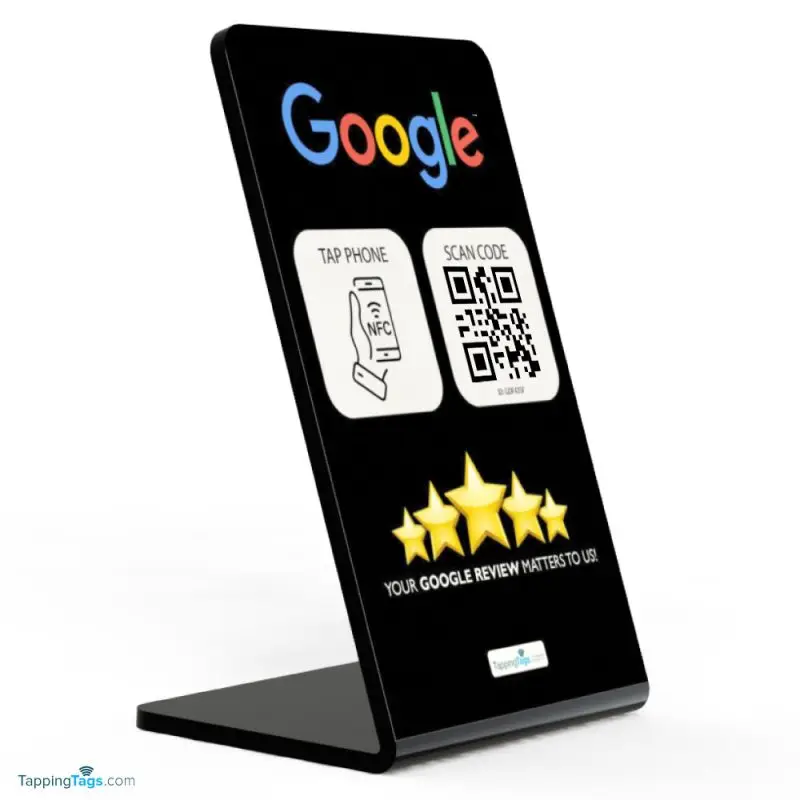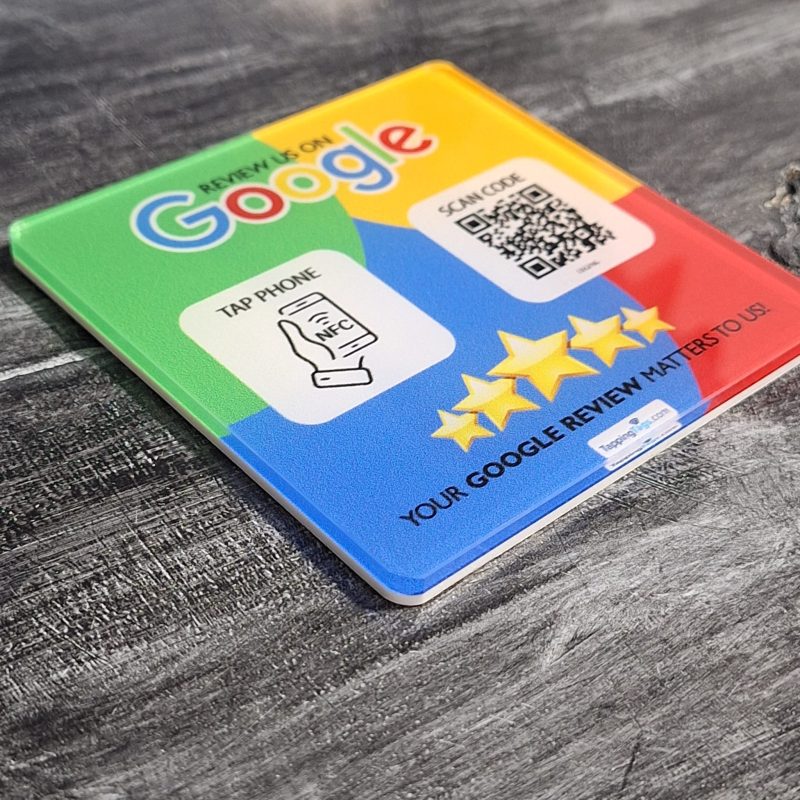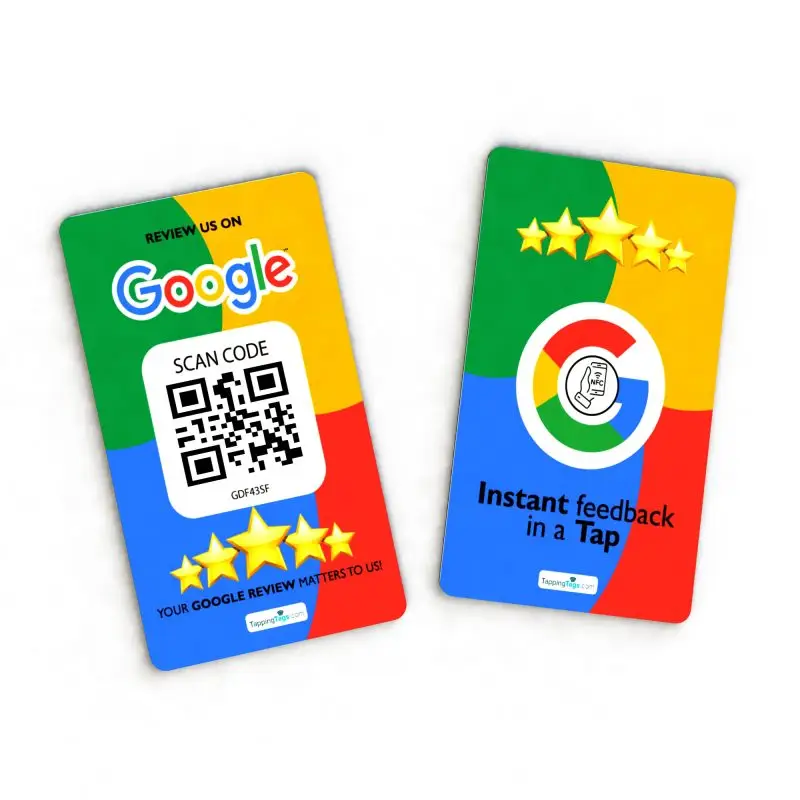
Running a mobile business or offering services without a physical storefront? Then you know how tough it can be to collect customer feedback and build a strong online presence. That’s where NFC Cards for Businesses Without a Storefront come into play. Tapping Tags, a leader in NFC technology, offers Google Review NFC cards that make it incredibly easy for customers to leave reviews with just a tap—no apps, no hassle.
These cards are a game-changer. With a simple tap of a smartphone, customers are directed straight to your Google review page. Tapping Tags’ NFC cards are perfect for mobile service providers, freelancers, and home-based businesses looking to boost SEO and credibility. They’re cost-effective, easy to set up, and designed to double your reviews in just 30 days.
But there’s more to explore than just convenience and speed. Experts like NFC Forum’s Executive Director, Mike McCamon, emphasize how NFC is shaping the future of customer engagement. So, if you’re ready to unlock the full potential of your business without a storefront, let’s dive into how these smart cards can transform your customer feedback game.
Understanding NFC Technology
NFC, or Near Field Communication, is a short-range wireless technology. It allows two devices to exchange data when placed close together. Most smartphones today support NFC, making it easy to share information instantly. Unlike Bluetooth, NFC doesn’t require pairing or manual setup.
Originally used for contactless payments, NFC has evolved rapidly. Businesses now use it for marketing, networking, and customer engagement. Its speed and convenience have made it a preferred tool in modern business strategies. As mobile usage grows, so does the demand for seamless, tap-based interactions.
Compared to QR codes or printed cards, NFC offers a smoother experience. Users don’t need to open a camera or type a URL. A simple tap delivers instant access to digital profiles, websites, or contact details. This efficiency reduces friction and boosts engagement.
NFC also provides a more professional and tech-savvy image. It’s durable, reusable, and eco-friendly. For businesses without a physical location, it bridges the gap between online and offline presence. Explore how it works on our home page or learn more about our solutions.
Why Businesses Without a Storefront Need NFC Cards
Operating without a physical storefront presents unique hurdles. Freelancers, consultants, and mobile service providers often struggle to establish trust and credibility. Without a brick-and-mortar location, making a lasting impression becomes more challenging. Traditional business cards fall short in today’s fast-paced, digital-first world.
NFC cards offer a modern solution. With a simple tap, they instantly share contact details, portfolios, or booking links. This seamless interaction bridges the gap between online presence and face-to-face engagement. Whether at a networking event or a client meeting, professionals can leave a memorable mark.
Imagine a mobile stylist sharing their Instagram and booking page in seconds. Or a consultant at a conference instantly transferring their LinkedIn profile. These real-time exchanges boost professionalism and convenience. NFC cards also support on-the-go marketing, making them ideal for pop-up events or casual encounters.
They’re not just smart—they’re essential. Explore our shop to find the perfect card for your brand. Want to learn more about how we help mobile businesses thrive? Visit our about page.
Types of NFC Cards and Customization Options
NFC cards come in various forms to suit different business needs. Popular options include durable plastic, sleek metal, eco-friendly biodegradable, and convenient digital-only versions. Each type offers unique benefits, from long-lasting impressions to sustainable branding.
Customization plays a crucial role in maximizing impact. Businesses can add logos, brand colors, and taglines for instant recognition. Embedded links allow users to access websites, portfolios, or booking pages with a single tap. Contact details, including phone numbers and email addresses, can be stored directly on the card. Social media profiles are also easily integrated, enhancing online visibility and engagement.
Design and user experience are key to effectiveness. A clean layout, intuitive navigation, and fast-loading links ensure a seamless interaction. The card should reflect your brand’s identity while offering value to the user. A well-designed NFC card not only captures attention but also encourages action.
Explore our shop to find the right card for your business. Learn more about our mission and values on the about page.
How to Set Up and Program NFC Cards
Start by downloading a reliable NFC programming app like NFC Tools or TagWriter. These apps are available on both Android and iOS. Open the app and choose the “Write” option. Next, tap “Add a record” and select the type of data you want to store. You can link to a digital business card, website, portfolio, or even a payment platform.
Once your data is ready, hold your NFC card near your smartphone’s NFC sensor. The app will prompt you to write the data. Confirm the action, and your card is now programmed. Always test the card to ensure it works as expected.
For best results, use high-quality NFC cards from trusted sources. You can explore options in our shop. Keep your links short and mobile-friendly. Avoid using long URLs or outdated platforms.
Want to learn more about our mission? Visit our about page. With the right tools and a few minutes, you can create a powerful networking tool that fits in your wallet.
Best Practices for Using NFC Cards in the Field
When meeting clients or networking, always present your NFC card with confidence and clarity. Hold it steady and allow a few seconds for scanning. Avoid rushing the interaction. Make sure your card links to a mobile-optimized landing page with clear calls to action. This ensures a smooth user experience and increases engagement.
Respect privacy by asking before tapping. Not everyone is comfortable with instant data sharing. Offer an alternative, like a QR code, if needed. Keep your shared content professional and relevant. Avoid linking to personal social media unless it serves a business purpose.
Integrate your NFC cards into brochures, event kits, or branded merchandise. This adds value and encourages interaction. Include them in welcome packets or as part of a giveaway to boost visibility. For a seamless experience, ensure your NFC cards are compatible with most smartphones.
To explore more creative uses, visit our shop or learn about our mission on the about page. These resources offer insights and tools to elevate your NFC strategy.
Security and Privacy Considerations
NFC technology uses advanced encryption to protect data during transmission. It creates a secure channel between devices, reducing interception risks. However, like any wireless system, it’s not immune to threats. Hackers may attempt to skim or clone data if proper safeguards aren’t in place.
To mitigate these risks, businesses should use encrypted NFC tags and limit the amount of shared data. Avoid storing sensitive information directly on the card. Instead, link to secure servers or encrypted databases. Regularly updating firmware and using password-protected apps also enhances protection.
Educating users is equally important. Teach clients to tap only trusted devices and avoid unknown NFC prompts. Encourage them to disable NFC when not in use. Clear communication builds trust and promotes safe usage.
For businesses without a storefront, maintaining digital trust is vital. Offer guidance through your website or customer support. To learn more about secure NFC solutions, visit our shop or explore our about page. These resources help you stay informed and protected while using NFC technology.
Measuring the ROI of NFC Cards
To evaluate the effectiveness of NFC cards, start by tracking essential KPIs like tap-through rates, lead generation, and conversions. These metrics reveal how often users engage and take action after tapping your card. Use tools like Google Analytics to monitor website traffic from NFC interactions. Bitly is also useful for shortening and tracking custom URLs embedded in your NFC cards.
For service-based businesses, the ROI becomes clear when comparing traditional marketing costs to NFC-driven results. For example, a freelance consultant using NFC cards at networking events can track how many taps lead to booked consultations. In another scenario, a mobile beauty service might see a 40% increase in appointment requests after distributing NFC cards with direct booking links.
Integrating NFC cards into your strategy not only boosts engagement but also simplifies data collection. For more insights into how these cards can elevate your brand, visit our about page. Ready to upgrade your outreach? Explore our full range of products in the shop today.
Integrating NFC Cards with Digital Marketing Strategies
NFC cards offer a seamless way to bridge offline interactions with online engagement. With a simple tap, users can be directed to websites, landing pages, or social media profiles. This instant connection boosts visibility and encourages immediate action. Businesses can embed links to exclusive offers, product demos, or event registrations, increasing conversion rates.
When integrated with email marketing or CRM systems, NFC cards become powerful lead-generation tools. They can trigger automated email sequences or update contact profiles in real time. This synergy ensures personalized follow-ups and nurtures leads more effectively. Pairing NFC with lead capture forms also simplifies data collection, reducing friction in the user journey.
For example, a service-based business could distribute NFC cards at networking events. Tapping the card could open a custom landing page with a discount code and a sign-up form. Another campaign might involve placing NFC cards in product packaging, linking to how-to videos or feedback forms. These strategies not only enhance user experience but also drive measurable results.
To explore more solutions, visit our shop or learn about our mission on the about page.
Choosing the Right NFC Card Provider
When selecting an NFC card vendor, prioritize quality materials and reliable chip performance. Look for providers offering full customization, including branding, colors, and embedded links. Responsive customer support is essential, especially for troubleshooting and post-purchase assistance.
Compare top providers based on their product range, design flexibility, and user reviews. Some vendors specialize in eco-friendly cards, while others focus on advanced chip technology. Choose one that aligns with your business goals and values.
Pricing varies widely, so request quotes from multiple sources. Many vendors offer discounts on bulk orders, which can significantly reduce per-unit costs. Always confirm the turnaround time before placing an order, especially if you have a launch deadline.
For businesses without a physical location, a trusted provider ensures your digital presence is seamless. Explore the shop to view customizable options tailored for remote professionals. If you need more information about the company’s mission and values, visit the about page.
Ultimately, the right NFC card partner will offer a balance of quality, affordability, and support. Make your decision based on long-term value, not just price.
Future Trends in NFC for Remote and Mobile Businesses
NFC technology is rapidly expanding beyond traditional cards. Smart wearables are leading the charge, offering seamless tap-and-go interactions. From wristbands to rings, these devices allow mobile professionals to share contact details instantly. NFC-enabled merchandise is also gaining traction. Branded items like keychains or badges now double as digital business cards, enhancing brand visibility on the go.
Virtual networking tools are evolving too. NFC integration allows users to connect across platforms with a single tap, eliminating the need for printed materials. In the next 5–10 years, expect NFC to become more personalized and AI-driven. Businesses without storefronts will benefit from real-time analytics and automated follow-ups through NFC interactions.
To stay competitive, entrepreneurs must embrace these innovations. Regularly exploring new tools and adapting to tech shifts will be essential. Visit our shop to discover the latest NFC solutions tailored for mobile businesses. Learn more about our mission and expertise on the about page. Staying ahead means staying informed—don’t let your business fall behind.
Frequently Asked Questions (FAQs)
NFC cards typically have a range of 1 to 4 centimeters, ensuring close-proximity interactions. Yes, you can reprogram your NFC card after the initial setup using compatible apps. Most modern smartphones support NFC, but it’s best to check your device specifications. Data stored on NFC cards is secure, especially when encrypted. If someone scans your card without permission, they’ll only access public-facing information. You can control what’s shared by adjusting your card settings.
NFC cards can be used for payment or invoicing when integrated with supported platforms. Updating your card’s information is simple—just log into your dashboard and make changes in real time. These cards function without an internet connection, though updates require connectivity. On average, NFC cards last up to 10 years with proper care. For sustainability, many providers offer eco-friendly options made from recycled or biodegradable materials.
To learn more about our mission and values, visit our About page. NFC cards offer a smart, contactless solution for businesses without a physical location.