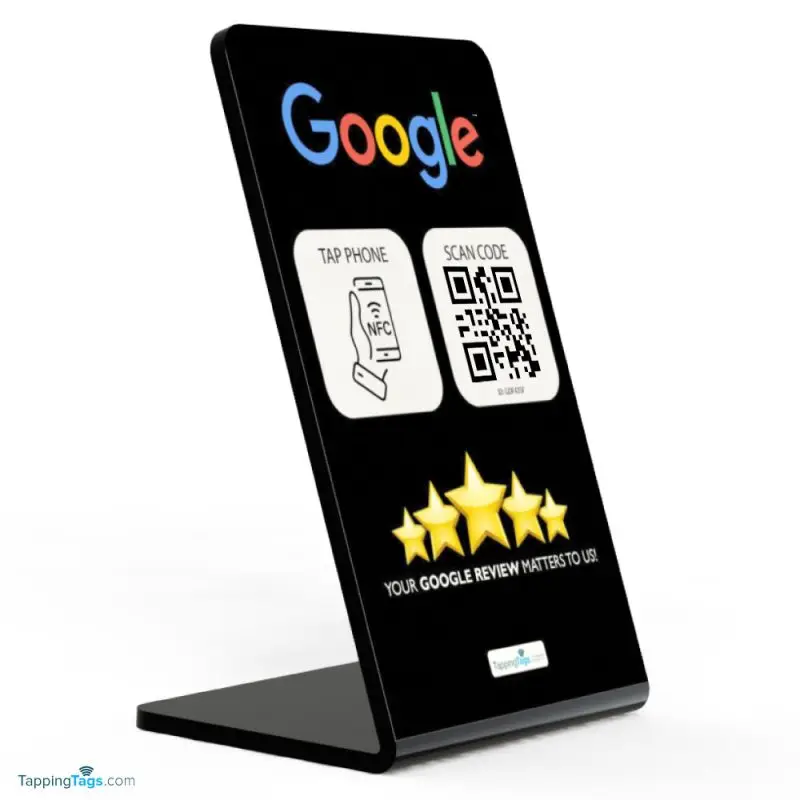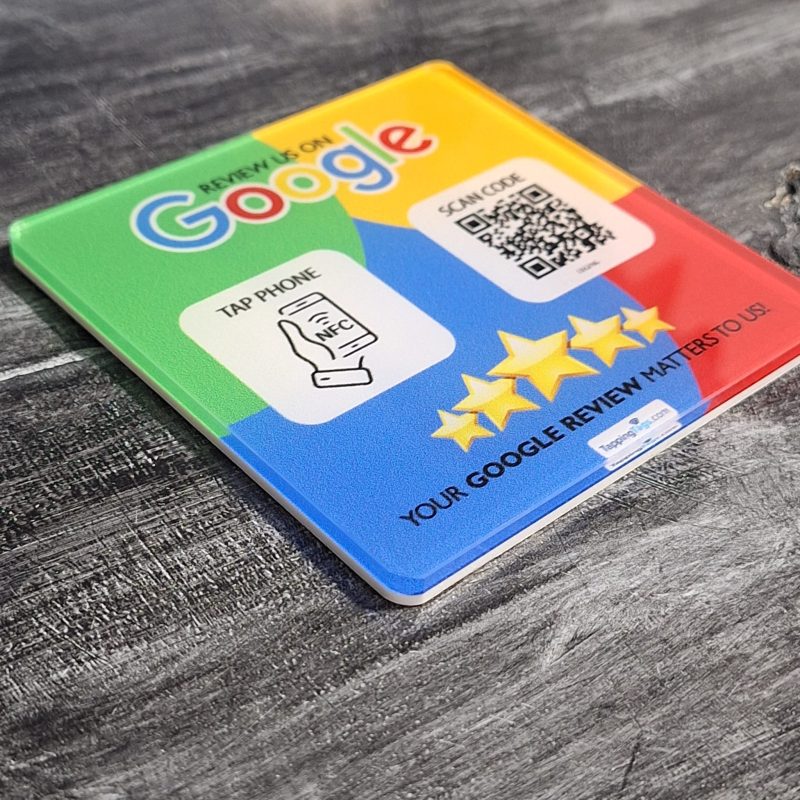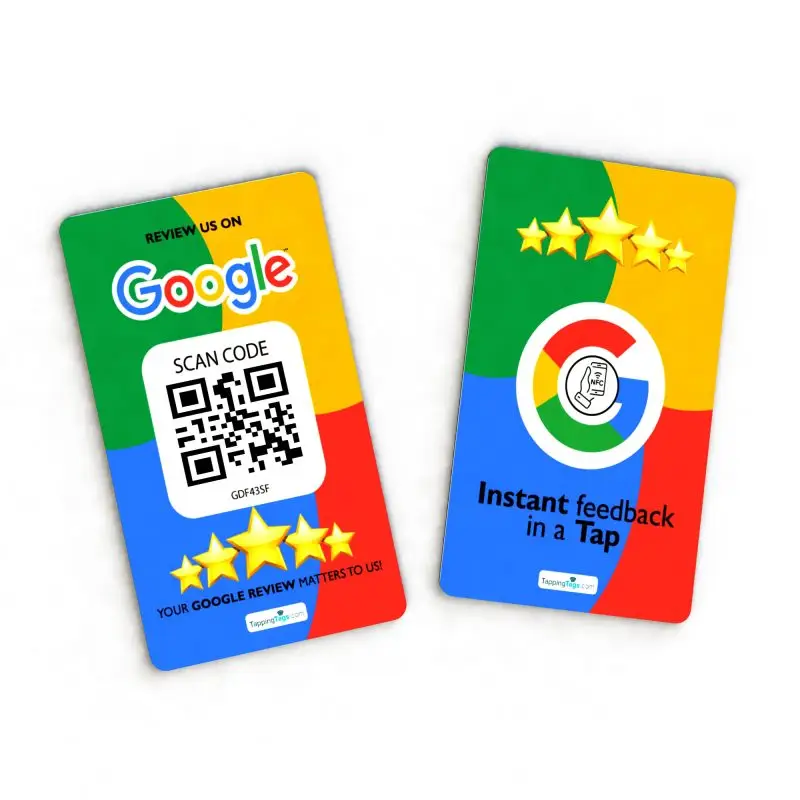
In today’s fast-paced digital landscape, businesses are constantly seeking innovative ways to gather valuable customer insights. Enter NFC cards, a cutting-edge solution that is transforming how companies collect and analyze feedback. Tapping Tags, a pioneering company at the forefront of customer engagement technology, is revolutionizing this process with their flagship product, the Google Review NFC card. By leveraging Near Field Communication (NFC) technology, these cards offer a seamless and efficient method for businesses to capture customer feedback in real-time. With just a simple tap, customers can easily share their experiences, providing businesses with crucial data to enhance their services and improve customer satisfaction. The Google Review NFC cards from Tapping Tags not only streamline the feedback process but also foster a more interactive and engaging customer experience. As businesses strive to stay ahead in a competitive market, utilizing NFC technology for gathering customer insights is becoming an indispensable strategy.
Understanding NFC Technology: A Brief Overview
Near Field Communication (NFC) technology has become a cornerstone in modern digital interactions, particularly in the realm of customer engagement and data collection. NFC is a set of communication protocols that enable two electronic devices, one of which is usually a portable device such as a smartphone, to establish communication by bringing them within 4 centimeters of each other. This technology is widely used in contactless payment systems, but its applications extend far beyond, particularly in gathering customer insights through NFC cards.
NFC technology operates on the principles of radio-frequency identification (RFID), but it is distinct in its ability to facilitate two-way communication between devices. This capability allows businesses to not only transmit information but also receive data from customers, making it an invaluable tool for collecting customer insights. For instance, when a customer taps their NFC-enabled device on an NFC card, businesses can gather data such as customer preferences, purchase history, and even feedback, all of which are crucial for tailoring marketing strategies and enhancing customer experiences.
One of the primary advantages of NFC technology is its ease of use. Unlike QR codes or Bluetooth, NFC does not require any additional steps such as scanning or pairing. The simple act of tapping an NFC card is enough to initiate a data exchange, making it a seamless experience for users. This simplicity is a significant factor in its widespread adoption across various industries, from retail to hospitality.
Moreover, NFC technology is highly secure. It uses encryption and secure channels to protect data during transmission, ensuring that sensitive customer information is not compromised. This security feature is particularly important in today’s digital age, where data breaches are a major concern for both businesses and consumers.
The versatility of NFC technology also allows for a wide range of applications. Businesses can use NFC cards to offer personalized promotions, gather real-time feedback, or even facilitate loyalty programs. For example, a retail store might use NFC cards to provide customers with instant discounts or special offers when they tap their phones at checkout. This not only enhances the shopping experience but also provides businesses with valuable data on customer behavior and preferences.
To illustrate the impact of NFC technology, consider the following examples:
- Retailers can use NFC cards to track customer foot traffic and identify popular products, allowing them to optimize store layouts and inventory management.
- Restaurants can implement NFC technology to gather feedback on menu items, helping them refine their offerings based on customer preferences.
- Event organizers can use NFC-enabled tickets to streamline entry processes and collect data on attendee demographics and interests.
These examples demonstrate how NFC technology can be leveraged to gain deeper insights into customer behavior and preferences, ultimately driving business growth and enhancing customer satisfaction.
In conclusion, NFC technology is a powerful tool for gathering customer insights. Its ease of use, security, and versatility make it an ideal solution for businesses looking to enhance their customer engagement strategies. By integrating NFC cards into their operations, businesses can not only improve the customer experience but also gain valuable data that can inform their marketing and operational decisions. For more information on how NFC technology can benefit your business, visit our home page or learn more about our offerings. If you have any questions, feel free to contact us.
As the digital landscape continues to evolve, NFC technology will undoubtedly play an increasingly important role in shaping the future of customer engagement and data collection. According to a report by Statista, the global NFC market is expected to reach $47 billion by 2024, highlighting its growing significance in the tech industry. Businesses that embrace this technology will be well-positioned to stay ahead of the competition and meet the ever-changing needs of their customers.
How NFC Cards Work in Collecting Customer Data
Near Field Communication (NFC) technology has revolutionized the way businesses collect and analyze customer data, offering a seamless and efficient method for gathering valuable insights. NFC cards, in particular, are at the forefront of this transformation, providing a bridge between physical interactions and digital data collection. These cards are embedded with a small chip that communicates with NFC-enabled devices, such as smartphones, when in close proximity. This interaction allows businesses to collect data effortlessly, enhancing their understanding of customer behavior and preferences.
When a customer taps their NFC-enabled device on an NFC card, a secure connection is established, enabling the transfer of data. This process is not only swift but also highly secure, as NFC technology employs encryption to protect the information being exchanged. The data collected can include a variety of metrics, such as the frequency of visits, purchase history, and even customer preferences. This information is invaluable for businesses looking to tailor their marketing strategies and improve customer engagement.
One of the key advantages of using NFC cards for data collection is their ability to provide real-time insights. As soon as a customer interacts with an NFC card, the data is instantly transmitted to the business’s database, allowing for immediate analysis and action. This real-time capability is crucial for businesses aiming to stay ahead of the competition by quickly adapting to changing customer needs and trends. Moreover, NFC cards can be integrated with loyalty programs, offering customers rewards and incentives for their interactions, which further encourages engagement and data sharing.
NFC cards also offer a level of convenience that traditional data collection methods cannot match. Customers do not need to fill out lengthy forms or provide personal information manually. Instead, a simple tap of their device is all it takes to share their data, making the process more appealing and less intrusive. This ease of use can significantly increase participation rates, providing businesses with a larger and more diverse dataset to analyze.
Furthermore, NFC cards can be customized to fit the specific needs of a business. Whether it’s a retail store looking to track customer purchases or a hospitality business aiming to enhance guest experiences, NFC cards can be tailored to collect the most relevant data. This customization ensures that businesses gather insights that are directly applicable to their operations, maximizing the value of the data collected.
For businesses interested in exploring the potential of NFC cards, it’s essential to partner with a reliable provider. Companies like Tapping Tags offer a range of NFC solutions that can be tailored to meet the unique needs of any business. By leveraging the expertise of such providers, businesses can ensure that their NFC data collection efforts are both effective and secure.
In conclusion, NFC cards represent a powerful tool for gathering customer insights, offering a seamless, secure, and efficient method for data collection. By enabling real-time data transfer and providing a convenient user experience, NFC cards can significantly enhance a business’s ability to understand and engage with its customers. As more businesses recognize the value of NFC technology, its role in data collection is likely to continue growing, providing even greater opportunities for businesses to gain a competitive edge. For more information on how NFC cards can benefit your business, visit Tapping Tags to learn more about their innovative solutions.
Benefits of Using NFC Cards for Customer Insights
Near Field Communication (NFC) technology has revolutionized the way businesses interact with their customers, offering a seamless and efficient method to gather valuable customer insights. NFC cards, in particular, have emerged as a powerful tool for businesses aiming to enhance their understanding of consumer behavior and preferences. By leveraging NFC cards, companies can unlock a multitude of benefits that contribute to more informed decision-making and improved customer experiences.
One of the primary advantages of using NFC cards for gathering customer insights is the ability to collect real-time data. Unlike traditional methods that rely on manual data entry or delayed reporting, NFC technology enables instantaneous data capture. When a customer taps their NFC card on a compatible device, businesses can immediately access information such as purchase history, preferences, and even location data. This real-time access allows companies to respond swiftly to customer needs and trends, ensuring they remain competitive in a fast-paced market.
Moreover, NFC cards facilitate a personalized customer experience. By analyzing the data collected through NFC interactions, businesses can tailor their offerings to meet individual customer preferences. For instance, a retail store can use NFC data to identify a customer’s favorite brands or products and offer personalized discounts or recommendations. This level of personalization not only enhances customer satisfaction but also fosters loyalty, as customers are more likely to return to businesses that understand and cater to their unique needs.
Another significant benefit of NFC cards is their ability to streamline operations and reduce costs. Traditional methods of gathering customer insights, such as surveys or focus groups, can be time-consuming and expensive. In contrast, NFC technology automates the data collection process, reducing the need for manual labor and minimizing the risk of human error. This efficiency translates into cost savings for businesses, allowing them to allocate resources to other critical areas such as product development or marketing.
NFC cards also offer enhanced security features, which are crucial for maintaining customer trust. The technology employs encryption and secure communication protocols to protect sensitive customer data during transmission. This security ensures that businesses can gather insights without compromising customer privacy, a factor that is increasingly important in today’s data-driven world. By prioritizing security, companies can build trust with their customers, encouraging them to engage more freely with NFC-enabled services.
Furthermore, NFC cards provide businesses with a competitive edge by enabling them to stay ahead of market trends. The data collected through NFC interactions can reveal emerging patterns and preferences, allowing companies to adapt their strategies accordingly. For example, a restaurant chain might discover through NFC data that a particular dish is gaining popularity, prompting them to promote it more heavily or introduce similar offerings. This proactive approach to market trends can significantly enhance a company’s ability to attract and retain customers.
In addition to these benefits, NFC cards are versatile and can be integrated into various business models. Whether used in retail, hospitality, or transportation, NFC technology can be customized to suit the specific needs of different industries. This adaptability makes NFC cards an attractive option for businesses looking to innovate and improve their customer engagement strategies. Companies interested in exploring the potential of NFC technology can learn more about its applications by visiting our about page.
Finally, the use of NFC cards aligns with the growing trend towards contactless interactions, which have become increasingly important in the wake of global health concerns. By offering a touchless way to gather customer insights, businesses can ensure the safety and comfort of their customers while still obtaining valuable data. This approach not only meets current consumer expectations but also positions businesses as forward-thinking and responsive to changing societal needs.
In conclusion, NFC cards offer a multitude of benefits for businesses seeking to gather customer insights. From real-time data collection and personalized experiences to cost savings and enhanced security, NFC technology provides a comprehensive solution for understanding and engaging with customers. As businesses continue to navigate an ever-evolving landscape, the adoption of NFC cards can serve as a strategic advantage, enabling them to thrive in a competitive market. For more information on how NFC cards can benefit your business, feel free to contact us today.
Implementing NFC Cards in Your Business Strategy
Incorporating NFC cards into your business strategy can significantly enhance your ability to gather valuable customer insights, providing a competitive edge in today’s data-driven market. Near Field Communication (NFC) technology allows for seamless, contactless interactions between devices, making it an ideal tool for businesses looking to engage with customers in innovative ways. By implementing NFC cards, businesses can collect real-time data, improve customer experiences, and tailor marketing efforts to meet the specific needs of their audience.
NFC cards offer a unique opportunity to gather detailed customer insights without being intrusive. When customers tap their NFC-enabled devices on these cards, businesses can collect data such as purchase history, preferences, and engagement patterns. This information is invaluable for creating personalized marketing campaigns that resonate with individual customers. By understanding what your customers want and how they interact with your brand, you can make informed decisions that drive sales and foster loyalty.
Moreover, NFC cards can streamline the customer journey by providing instant access to information and services. For instance, businesses can use NFC cards to direct customers to specific product pages, promotional offers, or loyalty programs. This not only enhances the customer experience but also encourages repeat business. By integrating NFC technology into your strategy, you can create a seamless and engaging experience that keeps customers coming back.
In addition to improving customer engagement, NFC cards can also enhance operational efficiency. By automating data collection and reducing the need for manual input, businesses can save time and resources. This efficiency allows staff to focus on more strategic tasks, such as analyzing data and developing targeted marketing strategies. Furthermore, NFC cards can be easily updated with new information, ensuring that your business remains agile and responsive to changing market conditions.
Security is another critical aspect to consider when implementing NFC cards. These cards are equipped with advanced encryption technologies that protect customer data and ensure secure transactions. By prioritizing security, businesses can build trust with their customers, which is essential for long-term success. Customers are more likely to engage with brands that prioritize their privacy and security, making NFC cards a valuable asset in building strong customer relationships.
To successfully implement NFC cards in your business strategy, it is essential to partner with a reliable provider. A trusted provider can offer guidance on the best practices for integrating NFC technology into your operations and ensure that your system is secure and efficient. Additionally, they can provide ongoing support and updates to keep your NFC system running smoothly. For more information on how to get started, visit our home page or learn more about our services.
Finally, it is crucial to continuously evaluate the effectiveness of your NFC card strategy. By analyzing the data collected through NFC interactions, you can identify trends and areas for improvement. This ongoing analysis allows you to refine your approach and ensure that your business remains competitive in an ever-evolving market. For any inquiries or further assistance, feel free to contact us.
In conclusion, implementing NFC cards in your business strategy offers numerous benefits, from gathering valuable customer insights to enhancing operational efficiency and security. By leveraging this technology, businesses can create personalized experiences that drive customer engagement and loyalty. As the market continues to evolve, staying ahead of the curve with innovative solutions like NFC cards will be crucial for maintaining a competitive edge.
Case Studies: Success Stories with NFC Cards
NFC (Near Field Communication) cards have emerged as a powerful tool for businesses seeking to gather valuable customer insights. By leveraging this technology, companies can enhance their understanding of consumer behavior, preferences, and engagement patterns. Several organizations have successfully implemented NFC cards to transform their customer interaction strategies, leading to significant improvements in customer satisfaction and business growth.
One notable success story involves a retail chain that integrated NFC cards into their loyalty program. By distributing these cards to their customers, the company was able to collect real-time data on shopping habits and preferences. Each time a customer tapped their NFC card at checkout, the system recorded valuable information about the products purchased, the time of day, and the frequency of visits. This data allowed the retailer to tailor their marketing strategies and personalize promotions, resulting in a 20% increase in customer retention and a 15% boost in sales. The ability to gather such detailed insights enabled the company to refine their inventory management and optimize their product offerings, ultimately enhancing the overall shopping experience.
Another compelling example is a restaurant chain that utilized NFC cards to streamline their customer feedback process. By embedding NFC technology into their loyalty cards, the restaurant encouraged patrons to provide instant feedback on their dining experience. Customers simply tapped their card on a designated NFC reader at the exit, triggering a quick survey on their smartphone. This approach not only increased the volume of feedback received but also improved the quality of insights, as customers were more likely to provide honest opinions immediately after their visit. The restaurant chain used this data to identify areas for improvement, leading to enhanced service quality and a 25% increase in positive reviews. This case highlights how NFC cards can facilitate a seamless feedback loop, empowering businesses to make data-driven decisions that enhance customer satisfaction.
In the hospitality industry, a hotel chain implemented NFC cards to enhance guest experiences and gather valuable insights. Upon check-in, guests received an NFC-enabled room key card that also served as a personalized concierge. By tapping the card on various NFC touchpoints throughout the hotel, guests could access information about amenities, local attractions, and special offers. This interactive experience not only enriched the guest stay but also provided the hotel with insights into guest preferences and interests. The data collected through NFC interactions allowed the hotel to tailor their services and marketing efforts, resulting in a 30% increase in guest satisfaction scores and a notable rise in repeat bookings. This case demonstrates how NFC cards can be a versatile tool for enhancing customer engagement and gathering actionable insights in the hospitality sector.
These success stories illustrate the transformative potential of NFC cards in gathering customer insights across various industries. By integrating NFC technology into their operations, businesses can unlock a wealth of data that drives informed decision-making and fosters stronger customer relationships. As more companies recognize the benefits of NFC cards, the adoption of this technology is expected to grow, paving the way for innovative applications and continued success. For businesses looking to explore the possibilities of NFC cards, resources and solutions are readily available. To learn more about how NFC cards can benefit your business, visit our home page or contact us for personalized assistance.
Addressing Privacy Concerns with NFC Data Collection
As businesses increasingly turn to NFC (Near Field Communication) cards for gathering customer insights, addressing privacy concerns becomes paramount. NFC technology offers a seamless way to collect valuable data, enhancing customer experiences and providing businesses with actionable insights. However, the collection and handling of personal data raise significant privacy issues that need to be addressed to maintain customer trust and comply with legal standards. Understanding these concerns and implementing robust privacy measures is crucial for businesses leveraging NFC technology.
One of the primary privacy concerns with NFC data collection is the potential for unauthorized access to personal information. NFC cards can store a variety of data, including contact details, purchase history, and preferences. If not properly secured, this information can be intercepted by malicious actors, leading to identity theft or other forms of data misuse. To mitigate this risk, businesses must implement strong encryption protocols and ensure that data is transmitted securely between NFC devices and backend systems. Regular security audits and updates are essential to protect against evolving threats.
Another concern is the transparency of data collection practices. Customers have the right to know what information is being collected, how it is used, and who has access to it. Businesses should provide clear and concise privacy policies that outline their data collection practices. This transparency helps build trust with customers, as they are more likely to engage with businesses that respect their privacy. Additionally, offering customers the option to opt-in or opt-out of data collection can further enhance trust and demonstrate a commitment to privacy.
Data minimization is another critical aspect of addressing privacy concerns. Businesses should only collect data that is necessary for their operations and avoid gathering excessive information. By limiting data collection to what is essential, businesses can reduce the risk of data breaches and ensure compliance with privacy regulations. Implementing data retention policies that specify how long data will be stored and when it will be deleted can also help address privacy concerns.
Compliance with legal and regulatory standards is vital for businesses using NFC technology. Regulations such as the General Data Protection Regulation (GDPR) in Europe and the California Consumer Privacy Act (CCPA) in the United States set strict guidelines for data collection and processing. Businesses must ensure that their NFC data collection practices comply with these regulations to avoid hefty fines and legal repercussions. This includes obtaining explicit consent from customers before collecting their data and providing them with the ability to access, correct, or delete their information.
Educating customers about NFC technology and its benefits can also help alleviate privacy concerns. By providing information on how NFC cards work and the measures in place to protect their data, businesses can empower customers to make informed decisions about their participation. This education can be delivered through various channels, such as in-store signage, online resources, or customer service interactions.
Finally, businesses should establish a clear and accessible channel for customers to voice their privacy concerns or inquiries. Providing a dedicated contact point, such as a contact us page, allows customers to easily reach out with questions or concerns about their data. Prompt and transparent responses to these inquiries can further build trust and demonstrate a commitment to privacy.
In conclusion, while NFC cards offer significant benefits for gathering customer insights, addressing privacy concerns is essential for maintaining customer trust and compliance with legal standards. By implementing robust security measures, ensuring transparency, minimizing data collection, complying with regulations, educating customers, and providing accessible communication channels, businesses can effectively address privacy concerns associated with NFC data collection. As the use of NFC technology continues to grow, prioritizing privacy will be key to its successful integration into customer engagement strategies. For more information on how NFC technology can benefit your business, visit our about page or explore our shop for NFC solutions.
Future Trends: The Evolution of NFC in Market Research
Near Field Communication (NFC) technology is rapidly transforming the landscape of market research, offering innovative ways to gather customer insights. As businesses strive to understand consumer behavior more deeply, NFC cards are emerging as a powerful tool in this domain. These cards, when tapped against a compatible device, can instantly transfer data, making them an efficient and seamless method for collecting valuable customer information. The future of NFC in market research is poised for significant growth, driven by several key trends.
One of the most promising trends is the integration of NFC technology with mobile devices. As smartphones become ubiquitous, the ability to use NFC-enabled devices to gather data is becoming increasingly feasible. This trend is particularly important for market researchers who aim to capture real-time data in various environments. For instance, NFC cards can be used at events, retail stores, or even in public spaces to collect immediate feedback from consumers. This capability allows businesses to gain insights into customer preferences and behaviors as they occur, leading to more accurate and actionable data.
Another trend shaping the future of NFC in market research is the growing emphasis on personalized customer experiences. NFC technology enables businesses to tailor their interactions with consumers by providing customized content based on the data collected. For example, when a customer taps an NFC card, they can receive personalized offers or information that aligns with their interests and past behaviors. This level of personalization not only enhances the customer experience but also increases the likelihood of engagement and conversion.
Moreover, the evolution of NFC technology is being driven by advancements in data analytics. As the volume of data collected through NFC cards increases, so does the need for sophisticated analytics tools to process and interpret this information. Businesses are investing in advanced analytics platforms that can handle large datasets and provide meaningful insights. These tools enable companies to identify trends, predict consumer behavior, and make informed decisions that drive business growth.
Security is another critical aspect of NFC technology that is evolving. As more businesses adopt NFC for market research, ensuring the security and privacy of customer data is paramount. Advances in encryption and authentication technologies are making NFC transactions more secure, which is essential for maintaining consumer trust. Companies are also implementing robust data protection policies to comply with regulations and safeguard customer information.
The versatility of NFC technology is also expanding its applications in market research. Beyond traditional uses, NFC cards are being integrated into loyalty programs, interactive advertising, and even product packaging. This versatility allows businesses to explore new ways of engaging with consumers and collecting insights. For instance, NFC-enabled packaging can provide consumers with detailed product information or promotional content, enhancing the overall shopping experience.
As NFC technology continues to evolve, collaboration between technology providers and market researchers will be crucial. By working together, these stakeholders can develop innovative solutions that leverage NFC’s capabilities to their fullest potential. This collaboration will drive the development of new applications and use cases, further cementing NFC’s role in the future of market research.
In conclusion, the evolution of NFC in market research is characterized by several exciting trends. The integration of NFC with mobile devices, the emphasis on personalized experiences, advancements in data analytics, enhanced security measures, and the versatility of applications are all contributing to the growing importance of NFC technology in gathering customer insights. As businesses continue to explore the potential of NFC, they will be better equipped to understand and meet the needs of their customers. For more information on how NFC technology can benefit your business, visit our home page or learn more about our services. If you have any questions, feel free to contact us.
In conclusion, NFC cards present a powerful and innovative tool for gathering customer insights in today’s fast-paced, data-driven world. By leveraging the seamless and contactless nature of NFC technology, businesses can enhance customer engagement, streamline data collection, and gain valuable insights into consumer behavior. This not only helps in personalizing the customer experience but also aids in making informed business decisions that drive growth and customer satisfaction. As technology continues to evolve, integrating NFC cards into your customer insight strategy can provide a competitive edge, ensuring that your business remains at the forefront of understanding and meeting customer needs. Embracing this technology is not just about keeping up with trends; it’s about setting new standards in customer interaction and data utilization.