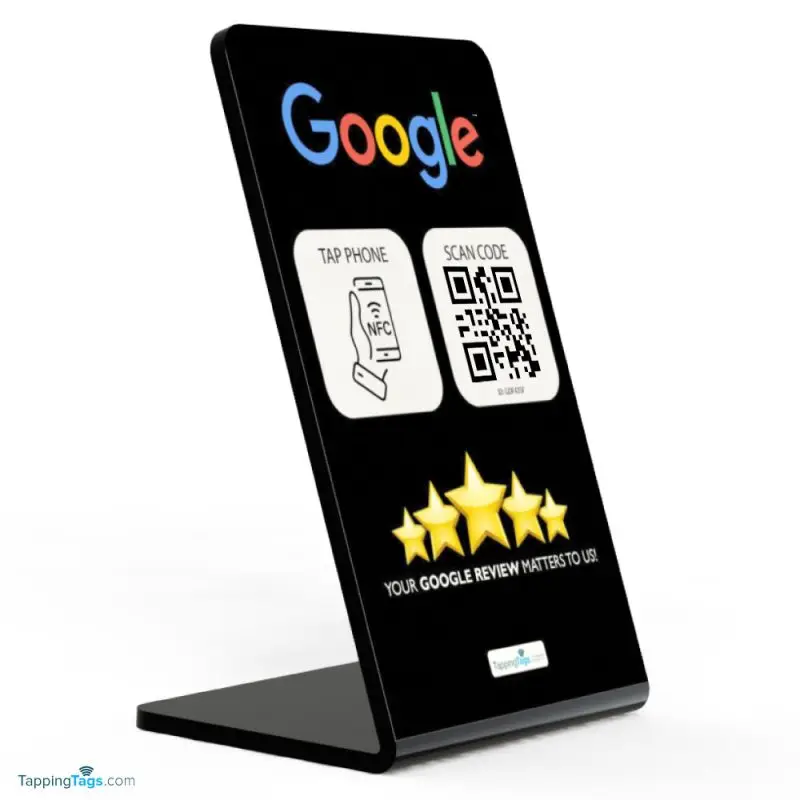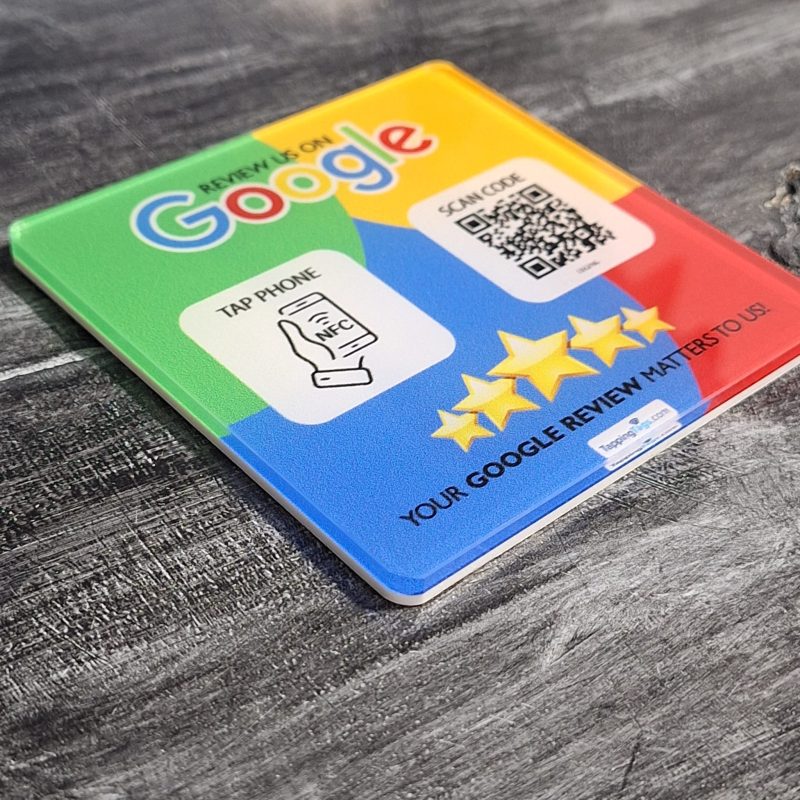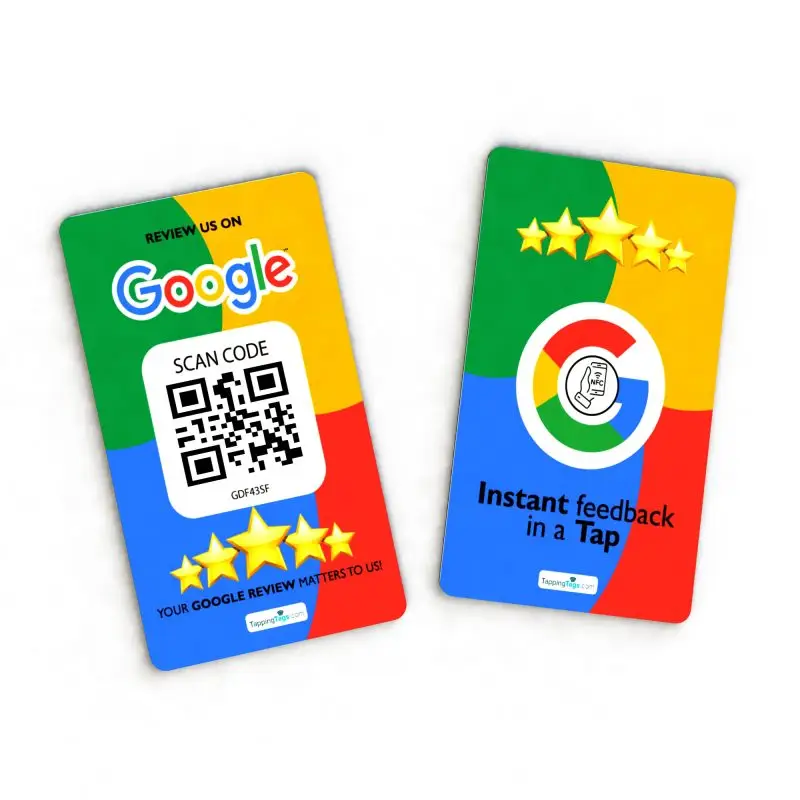
In today’s digital-first world, customer feedback plays a crucial role in shaping a business’s reputation and online visibility. As companies strive to collect more reviews, two popular methods have emerged: NFC cards and review apps. But when it comes to efficiency, ease of use, and boosting SEO, which one truly delivers better results? Tapping Tags, an innovative leader in customer feedback solutions, offers a game-changing product—the Google Review NFC card. This smart card uses Near Field Communication (NFC) technology to simplify the review process. With just a tap from an NFC-enabled smartphone, customers are instantly directed to a business’s Google review page—no app downloads or complicated steps required. Unlike traditional review apps that often require multiple clicks and user registrations, Tapping Tags’ NFC cards are designed for speed, convenience, and maximum engagement. Businesses using these cards have seen a rapid increase in reviews, improved online credibility, and a stronger local SEO presence. Whether you’re a mobile service provider or a brick-and-mortar store, understanding the differences between NFC cards and review apps can help you choose the best tool to elevate your customer feedback strategy.
Understanding the Functionality of NFC Cards and Review Apps
Near Field Communication (NFC) cards and review apps are two powerful tools that businesses use to enhance customer engagement, streamline operations, and gather valuable feedback. Understanding how each of these technologies functions is essential for determining which solution may work better for a specific business model or customer interaction strategy. Both NFC cards and review apps serve the common goal of improving user experience and facilitating seamless communication between businesses and their customers, but they do so in fundamentally different ways.
NFC cards operate using a short-range wireless communication technology that allows data to be exchanged between devices when they are brought within a few centimeters of each other. These cards are embedded with a small chip and antenna, enabling them to interact with NFC-enabled smartphones or readers. When a customer taps their phone on an NFC card, it can instantly trigger a predefined action, such as opening a website, displaying a digital business card, or prompting a review form. This tap-and-go functionality makes NFC cards incredibly user-friendly and efficient, especially in environments where speed and convenience are paramount.
One of the key advantages of NFC cards is their simplicity and immediacy. There is no need for users to download an app or navigate through multiple screens. A single tap can direct them to a specific landing page, social media profile, or review platform. This frictionless experience significantly increases the likelihood of user engagement. According to a report by Statista, the number of NFC-enabled devices worldwide is expected to surpass 2.2 billion by 2025, highlighting the growing adoption and potential reach of this technology.
Review apps, on the other hand, are software applications designed to collect, manage, and display customer feedback. These apps often come with a range of features, including customizable surveys, analytics dashboards, and integration with third-party platforms like Google Reviews or Yelp. Businesses can use review apps to solicit feedback through email, SMS, or QR codes, and the data collected can be used to improve products, services, and customer satisfaction.
While review apps offer robust data collection and analysis capabilities, they often require more effort from the user. Customers need to download the app, create an account, and navigate through the interface to leave a review. This added friction can result in lower participation rates. However, review apps excel in providing detailed insights and long-term tracking of customer sentiment, making them ideal for businesses that prioritize in-depth feedback over immediate interaction.
The choice between NFC cards and review apps often depends on the specific goals of a business. For instance, a retail store looking to quickly gather customer reviews at the point of sale might benefit more from NFC cards. In contrast, a service-based business aiming to track customer satisfaction over time may find review apps more suitable.
“Ease of use is a critical factor in customer engagement. Technologies that reduce friction tend to see higher adoption and interaction rates.” — Harvard Business Review
To illustrate the functionality of both technologies, consider the following examples:
- A restaurant places NFC cards on each table. When customers tap their phones, they are directed to a review form where they can rate their dining experience. This method results in a 40 percent increase in review submissions compared to traditional methods.
- A hotel uses a review app that sends a push notification to guests after checkout, prompting them to rate their stay. The app collects detailed feedback on room cleanliness, staff behavior, and amenities, which is then analyzed to improve service quality.
- A retail brand integrates NFC cards into its product packaging. Customers tap the card to access product information, leave a review, or share their purchase on social media, enhancing both engagement and brand visibility.
Both NFC cards and review apps can be customized to align with a brand’s identity and customer journey. NFC cards can be printed with logos, colors, and messaging that reflect the brand, while review apps can be tailored with personalized questions and automated follow-ups. This level of customization ensures that the technology not only serves a functional purpose but also reinforces brand consistency.
Security is another important consideration. NFC cards are generally secure, as they require close proximity to function and can be encrypted to protect sensitive data. Review apps, while also secure, must comply with data protection regulations such as GDPR or CCPA, especially when collecting personal information from users. Businesses must ensure that whichever technology they choose adheres to relevant legal standards and best practices for data privacy.
Integration capabilities also play a role in the functionality of these tools. NFC cards can be linked to CRM systems, email marketing platforms, or loyalty programs, enabling businesses to capture and utilize customer data effectively. Similarly, review apps often offer integrations with customer service tools, analytics software, and social media platforms, providing a comprehensive view of customer interactions.
In terms of cost, NFC cards typically involve a one-time investment for design and production, making them a cost-effective solution for small to medium-sized businesses. Review apps, on the other hand, may require ongoing subscription fees, especially for premium features or enterprise-level usage. Businesses must weigh these costs against the potential return on investment in terms of customer engagement and feedback quality.
User demographics can also influence the effectiveness of each technology. Younger, tech-savvy consumers may be more inclined to use NFC cards due to their familiarity with mobile technology and preference for quick interactions. Older demographics might be more comfortable with traditional review methods or apps that offer more guidance and support.
Ultimately, the functionality of NFC cards and review apps is shaped by their design, implementation, and alignment with business objectives. By understanding how each tool works and the context in which it excels, businesses can make informed decisions that enhance customer experience and drive growth.
For businesses exploring the potential of NFC technology, platforms like TappingTags offer a range of customizable NFC products designed to simplify customer interactions and boost engagement. Whether you’re looking to streamline your feedback process or enhance your brand presence, NFC cards provide a modern, efficient solution.
To learn more about how NFC cards can be integrated into your business strategy, visit our About page or explore our wide selection of products in the Shop. For personalized assistance or inquiries, feel free to reach out through our Contact Us page.
In conclusion, both NFC cards and review apps offer unique functionalities that cater to different business needs. While NFC cards excel in providing instant, user-friendly interactions, review apps offer comprehensive tools for collecting and analyzing customer feedback. The key lies in understanding your audience, defining your goals, and choosing the technology that best supports your customer engagement strategy.
Comparing User Engagement and Business Benefits
When evaluating the effectiveness of NFC cards versus review apps, one of the most critical aspects to consider is how each tool influences user engagement and delivers tangible business benefits. NFC cards offer a seamless and immediate interaction, allowing users to access information, leave reviews, or connect with a brand simply by tapping their smartphones. This frictionless experience significantly boosts user engagement because it eliminates the need for downloading an app or navigating through multiple steps. In contrast, review apps often require users to search for the app, download it, create an account, and then find the business they want to review. This multi-step process can deter users, especially those who are short on time or not tech-savvy, leading to lower engagement rates.
From a business perspective, NFC cards provide a modern and efficient way to collect customer feedback and promote brand interaction. They can be strategically placed in physical locations such as checkout counters, product packaging, or event booths, making it easy for customers to leave reviews or access promotions instantly. This real-time interaction not only increases the volume of feedback but also enhances the quality, as customers are more likely to leave detailed and accurate reviews when the experience is fresh in their minds. Moreover, businesses can customize the NFC card experience to align with their branding and marketing goals, creating a more personalized and memorable customer journey.
Review apps, while useful for aggregating feedback and building an online reputation, often lack the immediacy and convenience that NFC cards provide. They are more suited for users who are already familiar with the brand and are willing to invest time in sharing their experiences. However, this limits their reach, especially among first-time customers or those who prefer quick interactions. Additionally, review apps may not offer the same level of data analytics and user behavior tracking that NFC technology can provide. With NFC cards, businesses can gather insights into customer preferences, peak interaction times, and geographic trends, enabling more informed decision-making and targeted marketing strategies.
Another advantage of NFC cards is their versatility. They can be programmed to perform various functions beyond collecting reviews, such as directing users to a loyalty program, showcasing a product demo, or initiating a customer service chat. This multifunctionality enhances user engagement by offering added value in a single tap. On the other hand, review apps are typically limited to their core function of collecting and displaying reviews, which may not fully capitalize on the potential of customer interactions.
Furthermore, NFC cards are more inclusive, catering to a broader demographic. Since they do not require an app download, they are accessible to users with limited storage space on their devices or those who are hesitant to install new applications. This inclusivity can lead to higher participation rates and a more diverse set of customer insights. Businesses looking to implement NFC solutions can explore options available in the shop section of our website, where a variety of customizable NFC products are offered to suit different business needs.
In terms of long-term business benefits, NFC cards can contribute to stronger customer relationships and increased brand loyalty. By providing a convenient and engaging way for customers to interact with the brand, businesses can foster a sense of connection and trust. This can lead to repeat business, positive word-of-mouth, and a competitive edge in the market. For more information about how NFC technology can transform your customer engagement strategy, visit our about page to learn more about our mission and solutions.
In conclusion, while both NFC cards and review apps have their merits, NFC cards offer a more streamlined, versatile, and inclusive approach to enhancing user engagement and achieving business goals. Their ability to deliver instant, personalized experiences makes them a powerful tool for modern businesses looking to stay ahead in a competitive landscape.
In conclusion, both NFC cards and review apps offer unique advantages when it comes to collecting customer feedback and enhancing user engagement. NFC cards provide a quick, contactless, and user-friendly way to prompt reviews, especially in physical locations, while review apps offer more comprehensive features and analytics for businesses looking to dive deeper into customer insights. The best choice ultimately depends on your business needs, customer behavior, and the level of interaction you aim to achieve. For many, a hybrid approach that leverages the strengths of both tools may be the most effective strategy to boost reviews and build lasting customer relationships.