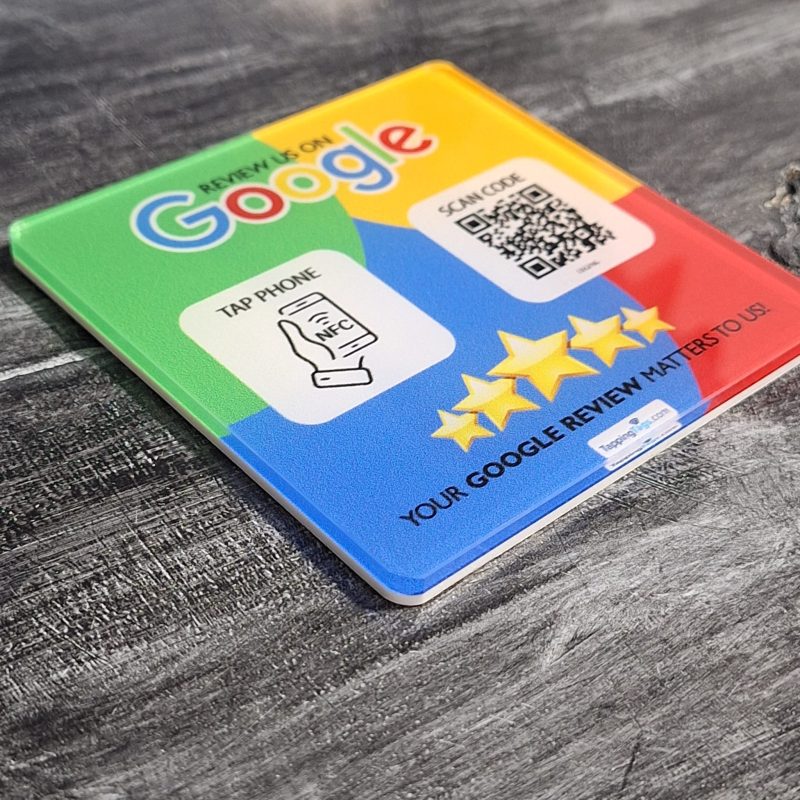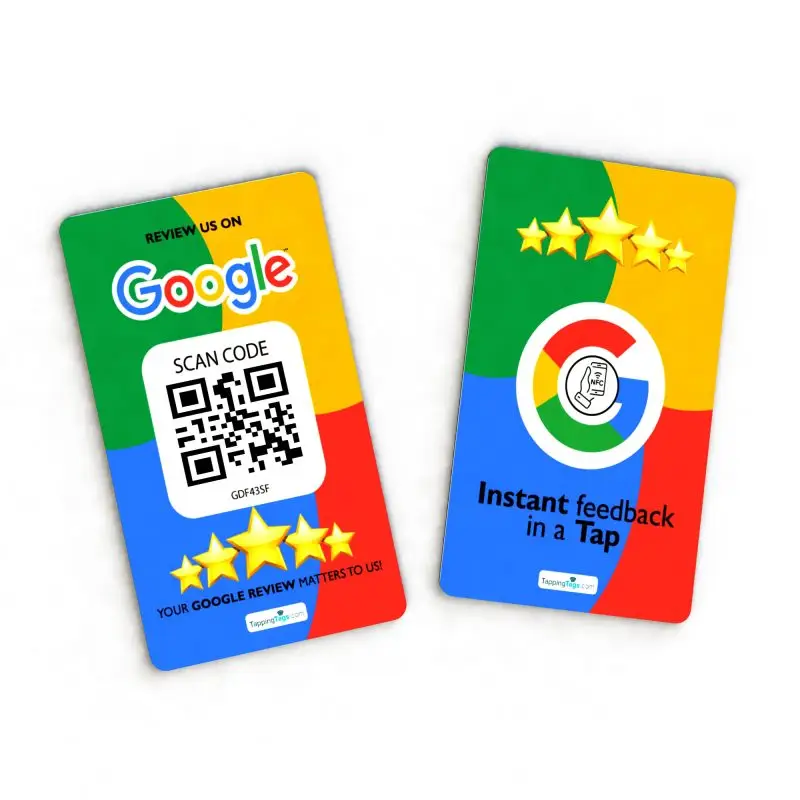
In today’s competitive digital landscape, knowing how to use reviews to dominate local search can be a game-changer for small businesses. Online reviews not only build trust with potential customers but also play a crucial role in boosting your local SEO rankings. With more consumers relying on Google to find nearby services, having a strong presence in local search results has never been more important. That’s where innovative solutions like the Google Review NFC cards from Tapping Tags come into play. Revolutionizing customer feedback with NFC technology, Tapping Tags makes it easier than ever for businesses to collect real-time reviews. By simply tapping the card with a smartphone, customers are instantly directed to leave a Google review—no complicated steps, no delays. This seamless process encourages more positive feedback, enhances your online reputation, and ultimately helps your business stand out in local search results. Whether you’re a restaurant, salon, or retail store, leveraging customer reviews through smart technology is a powerful strategy to grow your visibility and credibility in your community.
Understanding the Importance of Local Reviews
Local reviews have become a cornerstone of successful local search strategies, playing a pivotal role in how businesses are perceived and ranked online. In an era where consumers rely heavily on digital feedback before making purchasing decisions, the significance of local reviews cannot be overstated. According to a 2023 survey by BrightLocal, 87% of consumers read online reviews for local businesses, with 79% trusting them as much as personal recommendations. This trust factor directly influences customer behavior, making reviews a powerful tool for building credibility, increasing visibility, and ultimately driving more foot traffic and conversions.
Search engines like Google prioritize user-generated content when determining local search rankings. Reviews serve as a signal of trust and relevance, helping search algorithms understand the quality and popularity of a business. A consistent stream of positive reviews not only boosts your online reputation but also enhances your chances of appearing in the coveted local 3-pack on Google Maps. This visibility is crucial, as businesses listed in the top three positions receive the majority of clicks and calls from potential customers.
Moreover, reviews contribute to your business’s overall SEO by providing fresh, keyword-rich content. When customers mention specific products, services, or locations in their reviews, they inadvertently help your business rank for those terms. This user-generated content acts as a form of organic keyword optimization, which is especially beneficial for small businesses competing in saturated markets. For example, a local coffee shop with reviews mentioning "best espresso in downtown Austin" is more likely to rank for that search query.
The importance of local reviews extends beyond search engine rankings. They also offer valuable insights into customer satisfaction and areas for improvement. By analyzing feedback, businesses can identify trends, address recurring issues, and refine their offerings to better meet customer expectations. This proactive approach not only improves service quality but also demonstrates a commitment to customer satisfaction, which can further enhance your reputation and encourage more positive reviews.
“Online reviews are not just a reflection of customer satisfaction; they are a critical component of your local SEO strategy and a direct influence on consumer decision-making.” – Moz Local SEO Guide
In addition to boosting visibility and credibility, local reviews can also influence purchasing decisions at the moment of intent. When potential customers search for a product or service near them, they are often ready to make a decision. Positive reviews can tip the scales in your favor, providing the social proof needed to convert interest into action. This is particularly important for mobile users, who often conduct local searches while on the go and are looking for immediate solutions.
To illustrate the impact of local reviews, consider the following examples:
- A local HVAC company saw a 35% increase in service calls after actively encouraging satisfied customers to leave Google reviews.
- A neighborhood bakery improved its local search ranking by responding to every review, positive or negative, within 24 hours, demonstrating engagement and customer care.
- A boutique clothing store integrated customer reviews into its website and Google Business Profile, resulting in a 50% increase in foot traffic over three months.
These examples highlight how strategic use of reviews can lead to tangible business growth. However, it’s not just about quantity; the quality and authenticity of reviews matter just as much. Fake or incentivized reviews can damage your credibility and even result in penalties from search engines. It’s essential to foster genuine feedback by delivering excellent service and making it easy for customers to share their experiences.
Encouraging reviews can be as simple as asking satisfied customers in person, sending follow-up emails, or including review links on receipts and business cards. Additionally, integrating review prompts into your digital platforms, such as your website or social media pages, can streamline the process. For instance, adding a review request on your contact page or after a purchase on your online store can significantly increase review volume.
Responding to reviews is equally important. Engaging with customers shows that you value their feedback and are committed to continuous improvement. It also provides an opportunity to address any negative experiences and turn dissatisfied customers into loyal advocates. According to ReviewTrackers, 53% of customers expect businesses to respond to negative reviews within a week, yet 63% say they never hear back. Timely and thoughtful responses can set you apart from competitors and reinforce a positive brand image.
For businesses looking to dominate local search, integrating reviews into a broader digital marketing strategy is essential. This includes optimizing your Google Business Profile, maintaining consistent NAP (Name, Address, Phone Number) information across directories, and leveraging schema markup to enhance search engine understanding of your content. Reviews complement these efforts by adding a layer of authenticity and user engagement that algorithms favor.
To further understand how reviews influence local SEO, consider exploring resources like:
- Moz’s Local SEO Guide – Offers comprehensive insights into local ranking factors, including the role of reviews.
- BrightLocal’s Consumer Review Survey – Provides up-to-date statistics on consumer behavior related to online reviews.
- Google’s Guidelines on Reviews – Essential for understanding what is allowed and how to manage reviews on your Google Business Profile.
In conclusion, local reviews are more than just customer testimonials; they are a dynamic and influential component of your local SEO strategy. By actively managing and leveraging reviews, businesses can enhance their online presence, build trust with potential customers, and drive meaningful growth. Whether you’re a small business owner or a digital marketer, understanding and utilizing the power of local reviews is key to standing out in today’s competitive landscape. For more information about how your business can benefit from digital tools and strategies, visit our homepage or learn more about us.
How Reviews Influence Local SEO Rankings
Online reviews have become a powerful factor in determining how businesses rank in local search results. When potential customers search for products or services in their area, search engines like Google consider a variety of signals to determine which businesses to display prominently. Among these signals, customer reviews play a crucial role. They not only reflect the quality of a business but also influence its visibility in local search rankings. This is because search engines aim to provide users with the most relevant and trustworthy results, and reviews serve as a form of social proof that helps validate a business’s credibility and reliability.
One of the primary ways reviews impact local SEO is through the volume and frequency of feedback. Businesses that consistently receive new reviews are seen as active and engaged, which signals to search engines that the business is operational and valued by its customers. This ongoing engagement can lead to higher rankings in local search results. Additionally, the overall star rating of a business can influence click-through rates. A higher rating often attracts more clicks, which in turn can boost a business’s relevance and authority in the eyes of search engines.
Another important aspect is the content of the reviews themselves. When customers mention specific products, services, or locations in their reviews, they naturally incorporate keywords that can enhance a business’s relevance for those search terms. For example, if a customer writes a review about a bakery and mentions “best chocolate cake in downtown,” that phrase can help the bakery rank for searches related to chocolate cake in that area. This user-generated content adds depth to a business’s online presence and complements the information provided on its website.
Moreover, the diversity of review sources also matters. While Google reviews are essential, having reviews on other platforms like Yelp, Facebook, and industry-specific directories can further strengthen a business’s local SEO. These external citations help build a broader online footprint, which search engines interpret as a sign of legitimacy and popularity. Encouraging customers to leave reviews on multiple platforms can therefore amplify a business’s visibility across the web.
Responding to reviews is another factor that can influence local SEO. When businesses actively engage with their reviewers, it demonstrates a commitment to customer service and community involvement. This interaction not only builds trust with potential customers but also signals to search engines that the business is attentive and responsive. Timely and thoughtful responses to both positive and negative reviews can enhance a business’s reputation and contribute to better rankings.
The consistency of business information across review platforms also plays a role in local SEO. Ensuring that the name, address, and phone number (NAP) are accurate and consistent across all listings helps search engines verify the legitimacy of a business. Inconsistencies can lead to confusion and reduce the trustworthiness of a business in the eyes of search engines. Therefore, maintaining uniformity in business details across all review sites is essential for optimizing local search performance.
In addition to these factors, the integration of reviews into a business’s website can further support local SEO efforts. Displaying customer testimonials on key pages, such as the home or shop page, not only enhances user experience but also provides fresh, keyword-rich content that search engines can index. This can improve the overall authority of the website and contribute to higher rankings in local search results.
Furthermore, reviews can influence the local pack, which is the group of business listings that appear at the top of Google’s local search results. The local pack is highly competitive, and businesses with a strong review profile are more likely to be featured. This visibility can significantly increase traffic and conversions, making it essential for businesses to actively manage and encourage reviews.
In conclusion, reviews are a vital component of local SEO strategy. They impact rankings through volume, frequency, content, diversity, and engagement. By encouraging satisfied customers to leave reviews, responding thoughtfully, and integrating reviews into their digital presence, businesses can enhance their visibility and credibility in local search. For more insights into how reviews can support your business growth, visit our about page or reach out through our contact-us form to learn how we can help you optimize your local SEO strategy.
Choosing the Right Review Platforms for Your Business
Selecting the most effective review platforms is a crucial step in leveraging customer feedback to enhance your local search visibility. Not all review sites are created equal, and choosing the right ones can significantly impact your business’s online reputation and search engine rankings. The first factor to consider is your industry. For example, restaurants and hospitality businesses often benefit most from platforms like Yelp and TripAdvisor, while service-based businesses such as plumbers or electricians may find Google Business Profile and Angi more effective. Google Business Profile, in particular, is essential for local SEO because reviews on this platform directly influence your visibility in Google Maps and local search results. When customers leave positive reviews on Google, it signals to the search engine that your business is trustworthy and relevant, which can help you rank higher in local search queries.
Another important consideration is where your target audience is most active. If your customers are more likely to use Facebook or niche-specific platforms, then it makes sense to focus your efforts there. Research your competitors to see which platforms they are using and how they are engaging with their audience. This can provide valuable insights into where you should be directing your review generation efforts. Additionally, consider the credibility and visibility of the platform. Sites that are well-indexed by search engines and have high domain authority can provide more SEO value. For instance, a review on Google or Yelp is more likely to appear in search results than one on a lesser-known site, giving your business greater exposure.
Ease of use for both your business and your customers is another key factor. Platforms that allow for easy review submission and management can streamline the process and encourage more customer participation. Look for platforms that offer features like review notifications, response capabilities, and analytics. These tools can help you monitor your reputation, respond to feedback promptly, and gain insights into customer sentiment. Also, consider platforms that integrate well with your existing digital marketing tools or CRM systems, as this can enhance efficiency and consistency in your review management strategy.
It is also beneficial to diversify your presence across multiple platforms rather than relying on just one. While Google should be a primary focus due to its SEO impact, having a presence on other reputable platforms can broaden your reach and provide more opportunities for customers to find and trust your business. This multi-platform approach also helps mitigate the risk of negative reviews on one site disproportionately affecting your overall reputation. Encourage satisfied customers to leave reviews on different platforms to build a well-rounded online presence.
When choosing review platforms, also think about how they align with your brand’s values and customer experience. Some platforms offer more control over your business profile, allowing you to showcase your services, respond to reviews, and engage with your audience in a meaningful way. This can enhance your brand image and foster customer loyalty. Additionally, platforms that support multimedia content like photos and videos can help you create a more engaging and authentic profile, which can attract more attention and build trust with potential customers.
Finally, make sure your chosen platforms comply with review guidelines and ethical standards. Avoid platforms that allow fake or incentivized reviews, as these can damage your credibility and potentially lead to penalties from search engines. Focus on building a genuine and transparent review strategy that encourages honest feedback and continuous improvement. By carefully selecting the right review platforms and actively managing your presence on them, you can significantly boost your local search performance and establish a strong online reputation.
To learn more about how to effectively manage your online presence and improve your local SEO, visit our home page or explore our shop for tools that can help streamline your review collection process.
Encouraging Customers to Leave Positive Reviews
One of the most effective ways to leverage reviews for dominating local search is by actively encouraging your customers to leave positive feedback. Customer reviews not only influence purchasing decisions but also play a significant role in how search engines rank your business in local search results. When potential customers search for products or services in your area, businesses with a high volume of positive reviews are more likely to appear at the top of the results. This visibility can dramatically increase foot traffic, website visits, and ultimately, sales. To encourage more positive reviews, start by delivering exceptional customer service that exceeds expectations. A satisfied customer is far more likely to share their experience, especially when prompted in a friendly and timely manner.
Timing is crucial when asking for reviews. The best moment to request feedback is shortly after a successful transaction or positive interaction, while the experience is still fresh in the customer’s mind. You can ask in person, via email, or through a follow-up message. Make the process as simple as possible by providing direct links to your review platforms. For example, include a call-to-action in your email signature or on your website that directs users to leave a review. Personalizing your request can also make a big difference. Address the customer by name and mention specific details about their purchase or visit to show that you value their opinion.
Incentivizing reviews can be effective, but it must be done carefully to comply with platform guidelines. Instead of offering rewards for positive reviews, consider providing a small incentive for any feedback, regardless of its nature. This approach maintains authenticity and builds trust with both customers and search engines. Additionally, train your staff to recognize opportunities to ask for reviews during customer interactions. A simple, genuine request at the right moment can lead to a valuable review that boosts your local SEO.
Another strategy is to integrate review requests into your business operations. For instance, include a review prompt on receipts, thank-you cards, or packaging materials. You can also use signage in your physical location to remind customers to share their experience online. Digital tools and CRM systems can automate review requests, making it easier to maintain consistency without overwhelming your team. These systems can send follow-up emails or text messages with links to your preferred review platforms, increasing the likelihood of customer participation.
Responding to existing reviews, both positive and negative, also encourages more customers to leave feedback. When people see that a business takes the time to acknowledge and respond to reviews, they feel more confident that their opinions matter. This engagement fosters a sense of community and loyalty, which can lead to repeat business and more reviews over time. Always respond professionally and courteously, thanking customers for their input and addressing any concerns they may have raised.
Your website can also play a key role in encouraging reviews. Create a dedicated section that showcases testimonials and provides easy access to review submission forms. This not only builds credibility but also signals to search engines that your business values customer feedback. For example, adding a link to your shop page where customers can review products they’ve purchased can streamline the process and increase participation. Similarly, your about page can include a call-to-action inviting visitors to share their experiences, reinforcing your commitment to customer satisfaction.
Social media platforms are another powerful tool for gathering reviews. Encourage your followers to leave feedback by sharing their stories and tagging your business. User-generated content not only boosts your online presence but also provides authentic testimonials that can influence potential customers. Hosting contests or featuring customer reviews in your posts can further motivate others to contribute their own feedback.
Finally, make it a habit to monitor and analyze your reviews regularly. Understanding what customers appreciate most about your business can help you refine your services and highlight your strengths in marketing efforts. It also allows you to identify and address any recurring issues that may be affecting your reputation. By taking a proactive approach to customer feedback, you can continuously improve your offerings and maintain a strong presence in local search results.
Incorporating these strategies into your overall marketing plan will not only enhance your online reputation but also improve your visibility in local search. Encouraging positive reviews is a long-term investment that pays off by building trust, attracting new customers, and solidifying your position in the market. For more information on how to optimize your customer engagement and review strategy, visit our home page or reach out through our contact form.
Responding to Reviews to Build Trust and Engagement
One of the most powerful ways to leverage reviews for local search dominance is by actively responding to them. Whether the feedback is positive or negative, your response plays a crucial role in shaping public perception and building trust with both current and potential customers. When businesses take the time to acknowledge customer reviews, it signals that they value feedback and are committed to improving their services. This level of engagement not only enhances customer loyalty but also boosts your online reputation, which is a key factor in local search rankings. Responding to positive reviews with genuine appreciation reinforces customer satisfaction and encourages others to leave their own feedback. On the other hand, addressing negative reviews with professionalism and a willingness to resolve issues demonstrates accountability and transparency. This can turn a dissatisfied customer into a loyal one and shows prospective clients that your business is responsive and trustworthy. Moreover, consistent interaction with reviewers increases the frequency of fresh content on your business profile, which search engines favor when determining local relevance. To further strengthen your local SEO strategy, ensure your business information is accurate and consistent across all platforms, and consider integrating tools that streamline review management. For example, businesses that utilize smart networking tools like those found in our shop can more efficiently manage customer interactions and maintain a strong online presence. Additionally, learning more about your brand’s mission and values through our about page can help you craft responses that align with your business identity, making your engagement more authentic and impactful. By making review responses a regular part of your customer service routine, you not only enhance your visibility in local search results but also foster a community of loyal and engaged customers.
Leveraging Google Reviews for Maximum Visibility
Google Reviews play a pivotal role in enhancing a business’s online presence, especially when it comes to dominating local search results. As more consumers rely on digital platforms to make purchasing decisions, the influence of customer feedback on Google cannot be overstated. These reviews not only serve as social proof but also directly impact local SEO rankings. When a business accumulates a high volume of positive reviews, it signals to Google that the business is trustworthy and relevant, which can lead to higher placement in local search results. This increased visibility makes it easier for potential customers to discover your business when searching for related products or services in your area.
To fully leverage Google Reviews, businesses must first claim and optimize their Google Business Profile. This includes ensuring that all business information is accurate and up to date, such as address, phone number, hours of operation, and categories. Once the profile is optimized, the next step is to actively encourage satisfied customers to leave reviews. This can be done through follow-up emails, in-store signage, or even by integrating review requests into your sales process. The key is to make it as easy as possible for customers to share their experiences. Responding to reviews, both positive and negative, is equally important. Engaging with reviewers shows that your business values customer feedback and is committed to continuous improvement. This interaction not only builds trust with existing customers but also demonstrates transparency to potential ones.
Another critical aspect of leveraging Google Reviews is consistency. A steady stream of recent reviews indicates that your business is active and engaged with its customer base. Google’s algorithm favors businesses that receive regular feedback, as it reflects ongoing customer interaction. Therefore, rather than focusing on collecting a large number of reviews in a short period, aim for a consistent flow over time. This approach helps maintain your visibility in local search results and keeps your business top-of-mind for potential customers.
In addition to quantity and recency, the quality of reviews also matters. Detailed reviews that mention specific products, services, or experiences provide more value to both search engines and prospective customers. These keyword-rich reviews can enhance your local SEO by naturally incorporating relevant search terms. Encouraging customers to be descriptive in their feedback can therefore have a dual benefit: it helps other consumers make informed decisions and improves your search engine rankings. For example, a review that mentions “excellent same-day delivery service in downtown Chicago” is more beneficial than a generic “great service” comment.
Integrating Google Reviews into your broader marketing strategy can further amplify their impact. Featuring positive reviews on your website, social media platforms, and promotional materials not only reinforces your credibility but also drives more traffic to your online presence. For instance, adding a review widget to your homepage or product pages can showcase real-time customer feedback, enhancing trust and encouraging conversions. You can explore how this integration works by visiting our homepage, where customer satisfaction is highlighted as a core value.
Moreover, businesses should monitor their reviews regularly to identify trends and areas for improvement. Analyzing feedback can uncover valuable insights into customer preferences, pain points, and expectations. This information can be used to refine your products, services, and customer service practices, ultimately leading to better reviews and higher search rankings. Tools like Google My Business Insights can help track how customers find your listing and what actions they take, providing a clearer picture of your online performance.
It is also important to understand the competitive landscape. By analyzing the review profiles of local competitors, you can identify what they are doing well and where they fall short. This competitive analysis can inform your own review strategy, helping you to differentiate your business and highlight unique selling points. For example, if competitors frequently receive complaints about slow service, emphasizing your prompt response times in customer interactions and encouraging reviews that mention this strength can give you a competitive edge.
For businesses that sell products or services online, integrating Google Reviews with e-commerce platforms can significantly boost credibility and conversion rates. Displaying authentic customer feedback on product pages helps build trust and reduces purchase hesitation. If you are looking to enhance your online store’s performance, consider visiting our shop to see how customer reviews are effectively utilized to support purchasing decisions.
Lastly, businesses should not overlook the importance of mobile optimization in the context of Google Reviews. With a growing number of users conducting local searches on mobile devices, ensuring that your Google Business Profile and website are mobile-friendly is essential. A seamless mobile experience encourages more interactions, including review submissions, and improves overall user satisfaction. This, in turn, contributes to better local search rankings and increased visibility.
In conclusion, Google Reviews are a powerful tool for boosting local search visibility and establishing a strong online reputation. By actively managing and leveraging these reviews, businesses can enhance their credibility, attract more customers, and stay ahead of the competition. Whether you are a small local shop or a growing enterprise, integrating customer feedback into your digital strategy is essential for long-term success. For more information about how we support businesses in optimizing their online presence, feel free to visit our about page or reach out through our contact page.
Managing Negative Reviews Effectively
Handling unfavorable feedback is a crucial aspect of leveraging reviews to strengthen your local search presence. While positive reviews can boost your visibility and reputation, negative reviews, if managed correctly, can also contribute to your credibility and customer trust. The first step in addressing a negative review is to respond promptly and professionally. Acknowledge the customer’s concerns without being defensive, and offer a solution or a way to make things right. This shows potential customers that you value feedback and are committed to improving your service. Transparency and empathy go a long way in turning a dissatisfied customer into a loyal one. Moreover, search engines like Google take into account how businesses interact with their customers online. Responding to reviews, both positive and negative, signals active engagement, which can enhance your local SEO rankings. Encourage further communication by inviting the reviewer to continue the conversation offline or through direct contact, such as via your contact page. Additionally, use negative reviews as an opportunity to identify areas for improvement in your products or services. Regularly monitoring and analyzing feedback can help you make informed decisions that align with customer expectations. Incorporating these practices into your review management strategy not only mitigates the impact of negative feedback but also strengthens your overall online presence. For more information about how our solutions can support your business growth, visit our about page or explore our offerings in the shop.
Using Reviews to Improve Your Local Listings
One of the most effective strategies for enhancing your visibility in local search results is leveraging customer reviews to improve your local listings. Reviews not only influence potential customers but also play a significant role in how search engines rank your business in local search results. When customers leave positive feedback, it signals to search engines that your business is trustworthy and provides value, which can boost your ranking. To make the most of this, ensure your business is listed accurately across all major platforms like Google Business Profile, Yelp, and industry-specific directories. Consistency in your business name, address, and phone number across these listings is crucial. Encourage satisfied customers to leave reviews by making the process simple and accessible. You can do this by sending follow-up emails, including review links on your website, or even using QR codes in your physical store. Responding to reviews, both positive and negative, also demonstrates that you value customer feedback and are committed to improving your service. This engagement can lead to higher customer satisfaction and more frequent reviews, which in turn enhances your local SEO. Additionally, integrating reviews into your website can further boost your credibility and keep visitors engaged. For example, showcasing testimonials on your homepage or product pages can influence purchasing decisions and increase conversion rates. If you are looking to enhance your online presence and better connect with your local audience, consider exploring our shop for tools that can help streamline the review collection process. You can also learn more about our mission and how we support local businesses by visiting our about page. By actively managing and utilizing customer reviews, you not only improve your local listings but also build a stronger, more trustworthy brand in your community.
Showcasing Reviews on Your Website and Social Media
One of the most effective ways to leverage customer reviews for dominating local search is by strategically showcasing them on your website and across your social media platforms. Reviews not only build trust with potential customers but also signal to search engines that your business is active, credible, and relevant to local users. When integrated properly, reviews can significantly enhance your online visibility and drive more traffic to your site. Start by featuring positive customer testimonials prominently on your homepage, product pages, and service descriptions. This not only improves user experience but also increases the time visitors spend on your site, which is a key factor in search engine rankings. For example, placing a carousel of recent reviews on your homepage can immediately capture attention and establish credibility.
In addition to your website, social media platforms offer a dynamic space to amplify the impact of your reviews. Sharing customer feedback on platforms like Facebook, Instagram, and Twitter allows you to reach a broader audience and engage with your community in real time. Create visually appealing posts that highlight standout reviews, and consider using video testimonials to add authenticity and emotional appeal. Encourage satisfied customers to tag your business when they post about their experiences, and be sure to respond to both positive and negative reviews to show that you value customer input. This level of engagement not only fosters trust but also boosts your local SEO by increasing brand mentions and interactions.
Another powerful tactic is to integrate reviews into your blog content or case studies. For instance, you can write a blog post that tells the story of a customer’s journey with your product or service, incorporating their review as a central element. This not only provides fresh content for your site but also reinforces the value of your offerings through real-world examples. Additionally, consider adding a dedicated testimonials page that aggregates reviews from various platforms like Google, Yelp, and Facebook. This centralized hub can serve as a valuable resource for potential customers who are researching your business.
To further enhance your local search presence, make sure your reviews are marked up with schema markup. This technical step helps search engines understand the content of your reviews and can lead to rich snippets appearing in search results, which increases click-through rates. Many website builders and plugins offer easy ways to implement this feature, making it accessible even for those without advanced technical knowledge.
It is also important to keep your reviews fresh and up to date. Search engines favor businesses that consistently receive new reviews, as it indicates ongoing customer engagement. Encourage recent customers to leave feedback by sending follow-up emails or offering small incentives. Make the process as easy as possible by providing direct links to your review profiles and clear instructions on how to leave a review.
On social media, use stories, reels, and highlights to showcase customer feedback in creative ways. For example, you can create a highlight reel on Instagram dedicated to customer testimonials, making it easy for new visitors to see what others are saying about your business. Regularly updating these highlights keeps your profile dynamic and engaging, which can lead to increased followers and higher local visibility.
Incorporating user-generated content is another excellent way to showcase reviews. Encourage customers to share photos or videos of themselves using your product or service and repost this content on your social media channels. Not only does this provide authentic social proof, but it also builds a sense of community around your brand. Be sure to credit the original poster and thank them for their support, which can encourage others to do the same.
If your business sells products online, consider integrating reviews directly into your product pages. This not only helps with SEO but also aids in conversion by providing potential buyers with the confidence they need to make a purchase. For example, on your shop page, displaying star ratings and customer comments can significantly influence buying decisions and reduce cart abandonment rates.
Transparency and authenticity are key when showcasing reviews. Avoid filtering out all negative feedback, as a mix of reviews can actually enhance credibility. Instead, respond professionally to criticism and demonstrate your commitment to customer satisfaction. This approach not only improves your reputation but also shows search engines that your business is active and responsive.
Finally, make it easy for visitors to learn more about your business and get in touch. Include clear calls to action near your reviews, such as links to your about page or contact form. This seamless navigation encourages users to take the next step, whether it is making a purchase, booking a service, or reaching out for more information.
By thoughtfully integrating reviews into your website and social media strategy, you not only enhance your online presence but also build a strong foundation for local search dominance. Reviews are more than just feedback; they are powerful tools that, when used effectively, can drive traffic, increase conversions, and establish your business as a trusted leader in your community.
Monitoring Review Trends and Customer Feedback
To effectively harness the power of reviews in dominating local search, businesses must consistently monitor review trends and customer feedback. This ongoing process provides valuable insights into customer satisfaction, service quality, and areas for improvement. By analyzing patterns in reviews, such as recurring compliments or complaints, businesses can make informed decisions that enhance their offerings and customer experience. For instance, if multiple reviews highlight slow service, it signals a need to streamline operations. Conversely, frequent praise for a specific product or team member can be leveraged in marketing efforts to build trust and attract new customers. Monitoring reviews also allows businesses to respond promptly, showing potential customers that they are engaged and care about their clientele. This responsiveness not only improves customer retention but also boosts credibility in the eyes of search engines, which favor active and well-reviewed businesses in local search rankings.
Additionally, tracking review trends helps identify shifts in customer expectations or market demands. For example, a sudden increase in reviews mentioning a desire for eco-friendly packaging could prompt a business to adopt sustainable practices, aligning with consumer values and enhancing brand reputation. Businesses should also pay attention to the platforms where reviews are being posted most frequently, whether it’s Google, Yelp, or industry-specific sites, and ensure they are actively managing their presence on those channels. Integrating review monitoring into your daily operations can be streamlined with tools that aggregate feedback from multiple sources, making it easier to spot trends and respond efficiently.
Customer feedback is not just a reflection of past performance; it is a roadmap for future growth. Encouraging customers to leave reviews after a positive experience can significantly increase the volume of favorable feedback, which in turn influences local search visibility. The more high-quality reviews a business accumulates, the more likely it is to appear in the coveted local pack on Google search results. This visibility is crucial for attracting nearby customers who are ready to make a purchase. Moreover, responding to both positive and negative reviews demonstrates transparency and a commitment to customer satisfaction, which can turn a dissatisfied customer into a loyal one and show potential customers that the business values their input.
Incorporating customer feedback into business strategy also fosters innovation. By listening to what customers are saying, businesses can introduce new products, improve existing services, or refine their customer service approach. This adaptability not only meets customer needs more effectively but also positions the business as responsive and forward-thinking, qualities that enhance its appeal in a competitive local market. Furthermore, showcasing positive reviews on your website or social media platforms can serve as powerful testimonials, reinforcing trust and encouraging new customers to choose your business over competitors.
For businesses looking to maximize the impact of reviews on local search, it is essential to create a feedback loop where customer input directly informs business practices. This loop begins with actively seeking reviews, continues with careful analysis of the feedback, and culminates in strategic adjustments that improve the customer experience. Over time, this cycle leads to higher customer satisfaction, more positive reviews, and improved local search rankings. Businesses should also consider integrating review monitoring into their customer relationship management systems to ensure that no feedback goes unnoticed.
To support this strategy, businesses can explore tools and services that help automate the review monitoring process, making it easier to stay on top of customer sentiment. These tools can provide alerts for new reviews, sentiment analysis, and performance metrics, enabling businesses to act quickly and effectively. Additionally, training staff to recognize the importance of reviews and empowering them to respond appropriately can further enhance the business’s reputation and customer loyalty.
For those new to leveraging reviews for local SEO, understanding the broader context of your business and its goals is crucial. Learn more about how your business can benefit from a customer-centric approach by visiting our about page. If you are ready to take the next step in improving your local search presence through strategic review management, explore our range of solutions in the shop or reach out via our contact-us page for personalized support. By making review monitoring a core part of your local SEO strategy, you not only enhance your online visibility but also build a stronger, more responsive business that thrives on customer trust and satisfaction.
Automating Review Requests and Follow-Ups
One of the most effective strategies for leveraging customer reviews to dominate local search is by automating the process of requesting reviews and following up with customers. Manually reaching out to each customer can be time-consuming and inconsistent, leading to missed opportunities for valuable feedback. Automation streamlines this process, ensuring that every satisfied customer receives a timely and personalized request to leave a review. This not only increases the volume of reviews but also improves their recency, both of which are critical factors in local search rankings. By integrating automation tools with your customer relationship management system or point-of-sale software, you can trigger review requests immediately after a transaction or service is completed. These automated messages can be sent via email or SMS, and should include a direct link to your preferred review platform, making it as easy as possible for customers to respond. Additionally, follow-up messages can be scheduled to gently remind customers who have not yet left a review, further boosting your chances of receiving feedback. Personalization is key in these communications; using the customer’s name and referencing their specific purchase or service experience can significantly increase engagement. Businesses that consistently gather reviews through automation not only build trust with potential customers but also signal to search engines that they are active and reputable, which can enhance visibility in local search results. Moreover, automating this process allows you to maintain a steady flow of new reviews, which helps to counteract the natural aging of older reviews and keeps your business profile fresh and relevant. For businesses looking to implement such systems, it’s important to choose tools that integrate seamlessly with existing workflows and offer customization options to align with your brand voice. If you are exploring solutions to enhance your review strategy, consider visiting our shop for tools designed to simplify and optimize customer engagement. You can also learn more about our mission and how we support local businesses by visiting our about page. By embracing automation, businesses not only save time but also create a consistent and scalable approach to collecting reviews, ultimately strengthening their local SEO efforts and driving more traffic and conversions.
Staying Compliant with Review Platform Guidelines
When leveraging customer reviews to enhance your local search presence, it is crucial to ensure that your strategies align with the guidelines set by each review platform. Adhering to these rules not only protects your business from penalties but also builds trust with both customers and search engines. Each review platform, such as Google, Yelp, and Facebook, has its own set of policies designed to maintain the authenticity and integrity of user-generated content. Violating these guidelines can result in reviews being removed, your business listing being suspended, or even permanent bans from the platform. To stay compliant, avoid incentivizing reviews with discounts, gifts, or other rewards, as most platforms strictly prohibit this practice. Instead, focus on encouraging organic feedback by providing excellent service and gently reminding satisfied customers to share their experiences. It is also important not to selectively solicit reviews only from happy customers or to filter out negative feedback. This kind of manipulation can be detected by platforms and may lead to consequences that harm your online reputation. Additionally, never post fake reviews or ask employees to write reviews pretending to be customers. These actions are not only unethical but also easily traceable and can severely damage your credibility. Transparency and honesty should be at the core of your review strategy. Make sure your team is educated about these guidelines and understands the importance of compliance. Regularly monitor your listings to ensure that no unauthorized or suspicious activity is taking place. If you come across a review that violates a platform’s policy, such as spam or offensive content, use the appropriate reporting tools to flag it for review. Staying compliant also means keeping your business information accurate and up-to-date across all platforms. This includes your name, address, phone number, and website, which helps maintain consistency and improves your local SEO performance. For businesses looking to streamline their review management process, tools and services that help monitor and respond to reviews can be invaluable, provided they also operate within the bounds of platform rules. As you build your online presence, remember that authenticity is key. Genuine reviews from real customers are far more valuable than a large number of questionable ones. They not only influence potential customers but also signal to search engines that your business is trustworthy and relevant. For more insights into how to ethically grow your online reputation and dominate local search, explore our about page or visit our shop to discover tools that support your digital marketing efforts.
Analyzing Review Data to Enhance Customer Experience
To truly dominate local search, businesses must go beyond simply collecting reviews—they need to analyze review data to uncover actionable insights that can significantly enhance the customer experience. Reviews are a goldmine of information, offering direct feedback from real customers about what they love, what frustrates them, and what they expect. By systematically examining this data, businesses can identify recurring themes, such as common compliments or complaints, and use this information to refine their products, services, and customer interactions. For example, if multiple reviews mention long wait times or unhelpful staff, this signals a clear area for improvement. Conversely, if customers frequently praise a specific product or employee, businesses can highlight these strengths in their marketing and training efforts. Analyzing sentiment trends over time also helps in understanding how customer perception evolves, allowing businesses to respond proactively to shifts in expectations. Moreover, review data can reveal geographic patterns or demographic preferences, which are especially valuable for local businesses aiming to tailor their offerings to community needs. Integrating this analysis into your business strategy not only improves customer satisfaction but also boosts your online reputation, which is a critical factor in local search rankings. Search engines prioritize businesses that demonstrate consistent engagement and responsiveness to customer feedback. By leveraging review insights, businesses can create a feedback loop that continuously enhances service quality and customer loyalty. Additionally, showcasing improvements based on customer feedback in your responses to reviews demonstrates transparency and commitment, further strengthening trust with both existing and potential customers. For businesses looking to stay ahead in competitive local markets, this level of engagement can be a key differentiator. To learn more about how our solutions can help you harness the power of customer feedback, visit our home page or explore our shop for tools designed to elevate your local presence.
Creating a Long-Term Review Strategy for Local Success
Establishing a sustainable review strategy is essential for long-term success in local search rankings. While short-term tactics may offer a temporary boost, a consistent and well-planned approach to gathering and managing customer reviews will yield lasting benefits. The first step in creating a long-term review strategy is to integrate review requests into your regular customer interaction processes. Whether through follow-up emails, SMS messages, or in-person prompts, encouraging satisfied customers to leave feedback should become a standard part of your business operations. Timing is crucial—asking for reviews shortly after a positive experience increases the likelihood of receiving detailed and favorable responses.
Equally important is selecting the right platforms for reviews. Google Business Profile should be your primary focus, as it directly influences local search visibility. However, depending on your industry, platforms like Yelp, Facebook, and niche-specific directories can also be valuable. Regularly monitoring these platforms allows you to respond promptly to both positive and negative reviews, demonstrating your commitment to customer satisfaction. This not only builds trust with potential customers but also signals to search engines that your business is active and engaged.
To maintain momentum, consider implementing a review generation system that automates parts of the process. Tools that send reminders or provide direct links to review platforms can significantly increase participation rates. Additionally, training your staff to recognize ideal moments to request reviews can make the process more organic and effective. Over time, this consistent effort will result in a steady stream of fresh reviews, which are favored by search algorithms and help maintain your relevance in local search results.
Another key component of a long-term strategy is leveraging reviews for continuous improvement. Analyze the feedback you receive to identify patterns, strengths, and areas for growth. This data can inform business decisions and enhance customer experience, leading to even more positive reviews. Sharing testimonials on your website and social media channels also extends their reach and reinforces your reputation. For example, integrating customer feedback into your homepage or product pages can boost credibility and conversion rates.
Engaging with your audience through reviews also fosters community and loyalty. Responding thoughtfully to reviews—especially negative ones—shows that you value customer input and are committed to resolving issues. This proactive approach can turn dissatisfied customers into loyal advocates and demonstrates transparency to potential clients. Moreover, encouraging long-term customers to update their reviews over time can reflect your ongoing commitment to quality and service.
To ensure your strategy remains effective, periodically review and adjust your approach. Stay informed about changes in review platform algorithms and local SEO best practices. Consider conducting quarterly audits of your review profiles to identify gaps or opportunities for improvement. Collaborating with a digital marketing expert or agency can also provide valuable insights and help you stay ahead of competitors.
Finally, make sure your review strategy aligns with your overall branding and marketing efforts. Consistency in tone, messaging, and customer service across all touchpoints reinforces your brand identity and builds trust. Incorporating reviews into your about page or linking them in customer communications can further enhance your credibility. If customers have questions or need assistance, directing them to your contact page ensures they feel supported and valued.
In conclusion, a long-term review strategy is not just about collecting positive feedback—it’s about building a system that supports ongoing engagement, improvement, and visibility. By embedding review generation into your daily operations, responding thoughtfully, and using feedback to refine your services, you position your business for sustained success in local search.
Sure! Here’s a suitable FAQ section for a blog post titled "How to Use Reviews to Dominate Local Search," incorporating key points from previous discussions:
FAQ: How to Use Reviews to Dominate Local Search
- Why are online reviews important for local SEO?
Online reviews are a major ranking factor for local search. Search engines like Google use reviews to assess a business’s credibility, relevance, and popularity. A high volume of positive reviews can improve your visibility in local search results and help you stand out from competitors.
- How do reviews influence customer decisions?
Reviews build trust and influence purchasing decisions. Most consumers read reviews before choosing a local business, and positive feedback can significantly increase the likelihood of someone choosing your services over a competitor’s.
- What platforms should I focus on for collecting reviews?
Start with Google Business Profile (formerly Google My Business), as it directly impacts your local search rankings. Other important platforms include Yelp, Facebook, TripAdvisor (for hospitality), and industry-specific directories. Make sure your business is listed and active on these platforms.
- How can I encourage customers to leave reviews?
Ask satisfied customers directly—either in person, via email follow-ups, or through SMS. Make it easy by providing direct links to your review profiles. You can also use signage in your store or include a review request in your receipts or newsletters.
- Is it okay to offer incentives for reviews?
No, it’s generally not recommended to offer incentives for reviews, as this can violate the terms of service of platforms like Google and Yelp. Instead, focus on providing excellent service and making the review process simple and accessible.
- How should I respond to negative reviews?
Respond professionally and promptly. Acknowledge the issue, apologize if necessary, and offer to resolve the problem offline. This shows potential customers that you care about feedback and are committed to improving your service.
- Can responding to reviews help my local SEO?
Yes. Engaging with reviews—both positive and negative—demonstrates that your business is active and values customer feedback. Google takes this into account when ranking local businesses, so thoughtful responses can positively impact your SEO.
- How often should I monitor my reviews?
Regularly—ideally weekly. Set up alerts or use reputation management tools to stay informed about new reviews. Timely responses help maintain a positive brand image and can prevent small issues from escalating.
- What’s the best way to showcase positive reviews?
Feature them on your website, social media, and marketing materials. You can also use widgets or plugins to display live reviews from Google or Yelp. Highlighting testimonials builds trust and reinforces your reputation.
- Can fake or spammy reviews hurt my business?
Yes. Fake reviews—positive or negative—can damage your credibility and may lead to penalties from review platforms. Always report suspicious reviews and avoid using unethical tactics to manipulate your ratings.
By leveraging reviews strategically, you can boost your local search presence, attract more customers, and build a strong online reputation.