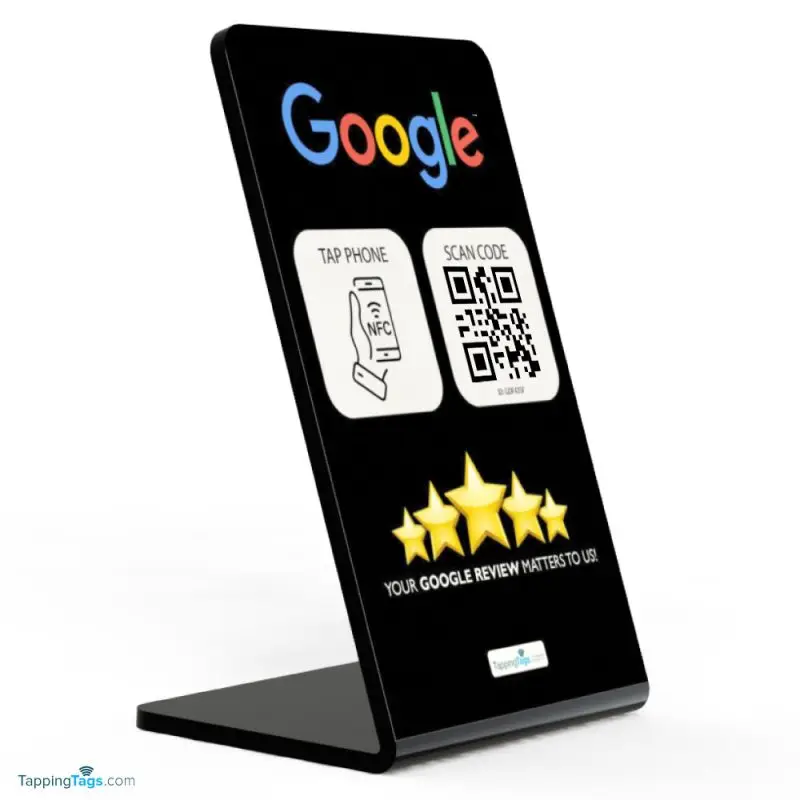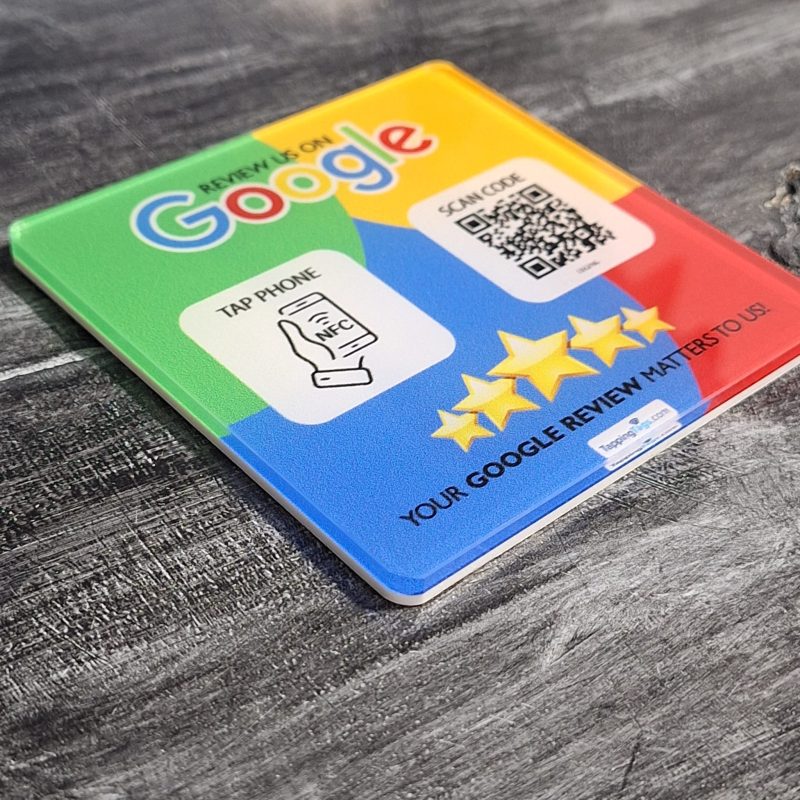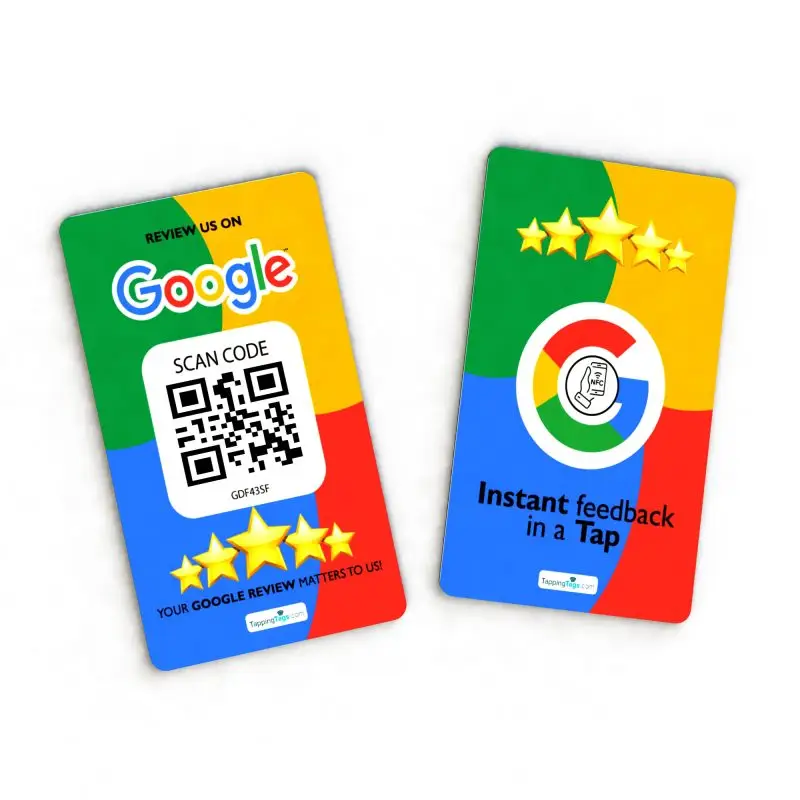
In today’s competitive market, building a strong online reputation is essential for any business, especially when it comes to attracting new customers. One of the most effective ways to boost your credibility is by collecting positive reviews—particularly from first-time clients. However, getting those initial reviews can be a challenge without the right tools and approach. That’s where Tapping Tags comes in. Revolutionizing customer feedback with NFC technology, Tapping Tags offers an innovative solution through their Google Review NFC cards. These smart cards make it incredibly easy for businesses to request and receive reviews in real-time by simply allowing customers to tap their smartphones. By simplifying the review process, businesses can increase customer engagement, improve their online presence, and build trust faster. Whether you’re a small business owner or a service provider, learning how to get reviews from first-time clients using modern tools like NFC technology can significantly enhance your digital footprint and customer loyalty.
Understand the Importance of Client Reviews
Client reviews play a pivotal role in shaping the reputation and growth of any business, especially when it comes to first-time clients. These testimonials serve as social proof, helping to build trust and credibility among potential customers who may be unfamiliar with your brand. In today’s digital landscape, where consumers rely heavily on online feedback before making purchasing decisions, the importance of client reviews cannot be overstated. According to a 2023 report by BrightLocal, 87% of consumers read online reviews for local businesses, with 79% trusting them as much as personal recommendations. This highlights the immense influence that even a single review can have on your business’s success.
When a first-time client leaves a review, it not only reflects their initial experience but also sets the tone for future interactions. Positive reviews can significantly boost your visibility on search engines, enhance your online reputation, and increase conversion rates. Google’s algorithm, for instance, considers the quantity and quality of reviews when ranking local businesses, making them a crucial component of your SEO strategy. Moreover, reviews provide valuable insights into what your business is doing well and where improvements can be made, offering a direct line to customer satisfaction.
“Customer feedback is one of the most powerful tools for business improvement and growth.”
Encouraging first-time clients to share their experiences can also foster a sense of community and engagement. When customers see that their opinions are valued and acted upon, they are more likely to return and recommend your services to others. This word-of-mouth marketing is not only cost-effective but also highly impactful. In fact, Nielsen reports that 92% of consumers trust recommendations from friends and family over any other type of advertising.
To better understand how client reviews influence business outcomes, consider the following examples:
- A local salon saw a 35% increase in bookings within three months after actively requesting reviews from first-time clients and responding to each one personally.
- An e-commerce store improved its product offerings by analyzing recurring feedback in reviews, leading to a 20% boost in customer satisfaction ratings.
- A freelance service provider used positive client testimonials on their website and social media, resulting in a 50% increase in inquiries from new clients.
These examples illustrate how leveraging client reviews can lead to tangible business benefits. To make the most of this strategy, businesses should integrate review requests into their customer journey. This can be done through follow-up emails, thank-you messages, or even QR codes that link directly to review platforms. Additionally, showcasing reviews on your website, such as on the home or about pages, can enhance credibility and encourage new visitors to engage with your brand.
It’s also important to respond to reviews—both positive and negative. A thoughtful response shows that you care about your clients’ experiences and are committed to continuous improvement. This level of engagement can turn a one-time buyer into a loyal customer. According to ReviewTrackers, 53% of customers expect businesses to respond to negative reviews within a week, and 45% are more likely to visit a business that responds to reviews.
For more insights on how to effectively manage and respond to client reviews, you can explore resources like HubSpot’s guide to customer feedback or Google’s support page on managing business reviews.
Ultimately, client reviews are more than just comments—they are a reflection of your brand’s value, service quality, and customer satisfaction. By understanding their importance and actively seeking feedback from first-time clients, you lay the foundation for long-term success and customer loyalty. Don’t underestimate the power of a single review—it could be the deciding factor for your next potential customer. For more ways to connect with your audience and build trust, visit our contact-us page or explore our latest offerings in the shop.
Deliver an Exceptional First-Time Experience
Creating a memorable and positive first-time experience is crucial when aiming to secure reviews from new clients. The initial interaction sets the tone for the entire customer relationship and significantly influences whether a client feels compelled to leave feedback. From the moment a potential customer discovers your business, every touchpoint should reflect professionalism, attentiveness, and value. Begin by ensuring your website is user-friendly, informative, and visually appealing. A seamless browsing experience, especially on mobile devices, helps build trust and encourages engagement. Make sure your homepage clearly communicates your brand’s mission and offerings. For example, the home page should highlight your unique selling points and guide visitors effortlessly to the products or services they need.
Customer service plays a pivotal role in shaping first impressions. Prompt responses to inquiries, personalized communication, and a helpful attitude can turn a casual visitor into a loyal customer. Train your team to be courteous, knowledgeable, and proactive in addressing client needs. Going the extra mile, such as offering tailored recommendations or following up after a purchase, can leave a lasting impression. Additionally, ensure that your onboarding process is smooth and informative. Whether it’s a product tutorial, a welcome email, or a thank-you message, these small gestures contribute to a positive experience that clients are more likely to remember and share in a review.
Product quality and service reliability are also key factors. First-time clients are often cautious, so delivering exactly what was promised, on time and in excellent condition, is essential. If you run an e-commerce store, make sure your packaging is secure and visually appealing. A well-packaged product not only protects the item but also enhances the unboxing experience, which can be a powerful motivator for clients to leave a positive review. Encourage clients to explore your full range of offerings by directing them to your shop page, where they can discover more products that may suit their needs.
Transparency and authenticity further build trust. Clearly communicate your policies, such as shipping times, return procedures, and customer support availability. Clients appreciate honesty and are more likely to leave a favorable review when they feel informed and respected. Including a link to your about page can help clients connect with your brand story and values, making their experience more personal and meaningful.
Finally, always follow up after the first interaction. A simple thank-you message or a request for feedback shows that you value their opinion and are committed to continuous improvement. Timing is important—reach out shortly after the product or service has been delivered, while the experience is still fresh in their mind. Make the review process easy by providing direct links or simple instructions. When clients feel appreciated and their experience has exceeded expectations, they are far more likely to share their thoughts in a review, helping your business grow through authentic, word-of-mouth recommendations.
Choose the Right Time to Ask for a Review
Timing plays a crucial role when it comes to asking first-time clients for reviews. Reaching out too early might catch them before they’ve fully experienced your product or service, while waiting too long could result in missed opportunities as the initial excitement fades. The ideal moment to request feedback is shortly after the client has had a positive interaction with your brand—whether that’s after a successful service delivery, a smooth purchase process, or a helpful customer support experience. This is when their satisfaction is at its peak, and they’re more likely to share their thoughts enthusiastically. For example, if you run an online store, consider sending a follow-up email a few days after the product has been delivered, giving the client enough time to use it and form an opinion. If your business is service-based, such as consulting or design, wait until the project is completed and the client has expressed satisfaction. Personalizing your request can also make a big difference. Mention specific details about their experience to show that you value their input and are not just sending out a generic message. Additionally, make the process as easy as possible by providing direct links or simple instructions on how to leave a review. This reduces friction and increases the likelihood of receiving feedback. It’s also helpful to monitor client behavior and engagement to identify the best moment to reach out. For instance, if a client has just made a repeat purchase or referred someone to your business, it’s a strong indicator of satisfaction and a great time to ask for a review. Building a relationship with your clients from the start can also make them more receptive to your request. By offering excellent customer service and maintaining open communication, you create a foundation of trust that encourages honest and positive reviews. For more insights into how we prioritize customer satisfaction and build lasting relationships, visit our about page. If you’re looking to enhance your client experience further, explore our range of innovative products in the shop. Remember, asking for a review is not just about collecting testimonials—it’s about showing your clients that their opinions matter and using their feedback to grow and improve your business.
Make the Review Process Simple and Convenient
To encourage first-time clients to leave reviews, it is essential to streamline the process and make it as effortless as possible. Many customers are willing to share their feedback, but if the process is complicated or time-consuming, they may abandon the idea altogether. Start by choosing a review platform that is easy to access and user-friendly. Whether it is Google, Yelp, or a dedicated review tool integrated into your website, ensure that clients can leave their feedback in just a few clicks. Providing direct links to the review page in follow-up emails or text messages can significantly increase the chances of receiving a response. These messages should be polite, personalized, and sent shortly after the service or purchase when the experience is still fresh in the client’s mind.
Another effective strategy is to offer clear instructions on how to leave a review. Some first-time clients may not be familiar with the process, especially if they are not tech-savvy. A brief step-by-step guide or a short video tutorial can help eliminate confusion and make the process more approachable. Additionally, consider using QR codes that link directly to your review page. These can be printed on receipts, business cards, or packaging, making it easy for clients to scan and leave a review on the spot.
Timing also plays a crucial role in simplifying the review process. Reaching out too early might catch the client before they have fully experienced your product or service, while waiting too long could result in a lost opportunity. Aim to follow up within 24 to 48 hours after the interaction, striking a balance between immediacy and giving the client enough time to form an opinion. Automating this follow-up process through your customer relationship management system can save time and ensure consistency.
Incentivizing reviews can also be a helpful tactic, as long as it complies with the guidelines of the review platform you are using. Offering a small discount on a future purchase or entry into a giveaway can motivate clients to take a few minutes to share their thoughts. However, it is important to emphasize that you are seeking honest feedback, not just positive reviews. This approach builds trust and demonstrates that you value your clients’ opinions.
Your website should also support the review process by being intuitive and easy to navigate. Make sure that your review section is visible and accessible from multiple pages, such as your homepage and product pages. For example, visitors exploring your home page should be able to find links or prompts that guide them to leave a review. Similarly, your about page can include testimonials and a call-to-action encouraging new clients to share their experiences.
Finally, always acknowledge and respond to the reviews you receive. Thanking clients for their feedback shows appreciation and encourages others to contribute as well. If a review includes constructive criticism, respond professionally and demonstrate your willingness to improve. This not only enhances your reputation but also reassures potential clients that their voices will be heard.
By removing barriers and making the review process as simple and convenient as possible, you increase the likelihood of receiving valuable feedback from first-time clients. This not only helps build credibility but also provides insights that can improve your products or services over time.
Use Personalized Follow-Up Messages
One of the most effective ways to encourage first-time clients to leave a review is by sending personalized follow-up messages. These messages should be timely, thoughtful, and tailored to the individual experience of the client. A generic message may be overlooked or ignored, but a personalized note shows that you value their opinion and appreciate their business. Start by addressing the client by name and referencing specific details about the service or product they received. This not only reinforces the positive aspects of their experience but also makes the request feel more genuine. Timing is crucial—ideally, send the message within a few days of the transaction while the experience is still fresh in their mind. You can use email, text, or even a direct message on social media, depending on how the client initially interacted with your business. Including a direct link to your review platform makes it easier for the client to respond, reducing friction and increasing the likelihood of a review. Additionally, you can gently remind them how much their feedback helps your business grow and improve. If your brand has a story or mission that resonates with customers, briefly mention it to create a deeper connection. For example, if your business is featured on the About page of your website, consider linking to it so clients can learn more about your values and goals. This can foster a sense of community and loyalty, encouraging them to support your brand through reviews. You might also want to direct them to your shop to explore more products or services, which can lead to repeat business and additional reviews. Always express gratitude in your message and offer assistance if they have any questions or concerns. This level of attentiveness not only boosts your chances of receiving a review but also enhances overall customer satisfaction.
Offer Incentives Without Being Pushy
When encouraging first-time clients to leave reviews, offering incentives can be a powerful motivator, but it’s essential to strike the right balance to avoid coming across as overly aggressive or transactional. The key is to make the incentive feel like a genuine thank-you rather than a bribe. A thoughtful approach begins with understanding your audience and what they value. For example, a small discount on their next purchase, entry into a giveaway, or a free sample of a new product can be effective ways to show appreciation. These gestures not only encourage feedback but also foster a sense of goodwill and loyalty. It’s important to clearly communicate that the incentive is for leaving a review, not necessarily a positive one. This helps maintain authenticity and builds trust with your audience. You can include a friendly message in your follow-up email or thank-you note, expressing how much you value their opinion and how it helps improve your service or product. Make it easy for them to leave a review by providing direct links and simple instructions. Timing also plays a crucial role; reaching out shortly after the purchase or service experience ensures the interaction is still fresh in their minds. Additionally, consider integrating your incentive strategy into your overall customer experience. For instance, if you have a loyalty program, you can offer points for reviews, which can be redeemed later. This not only encourages reviews but also keeps customers engaged with your brand. On your website, you can subtly highlight these incentives without making them the focal point. For example, on your homepage, you might include a small banner or pop-up that thanks customers for their support and invites them to share their thoughts. Similarly, your about page can emphasize your commitment to customer satisfaction and how feedback plays a vital role in your growth. Always ensure that your incentives comply with platform guidelines, especially if you’re collecting reviews on third-party sites. Transparency and honesty go a long way in building a reputable brand image. By offering incentives in a respectful and non-pushy manner, you not only increase your chances of receiving valuable reviews but also enhance the overall customer experience.
Showcase Reviews to Build Trust and Encourage More
One of the most effective ways to encourage first-time clients to leave reviews is by showcasing the feedback you have already received. When potential customers see that others have had positive experiences with your service or product, it builds trust and increases the likelihood that they will not only make a purchase but also leave a review themselves. Displaying reviews prominently on your website, especially on key pages like the homepage or product pages, can create a sense of transparency and reliability. This social proof reassures new clients that they are making a smart decision by choosing your business. Additionally, sharing testimonials on social media platforms and in email newsletters can amplify their reach and impact. Make sure the reviews you highlight are authentic and reflect a range of customer experiences to appeal to a broader audience. Including photos or names with permission can add an extra layer of credibility. For businesses that are just starting to collect reviews, even a few well-written testimonials can make a significant difference. Encourage satisfied clients to share their thoughts by making the review process simple and accessible. You can also direct them to your contact page if they prefer to provide feedback privately. Over time, as your collection of reviews grows, you can create a dedicated section on your site to feature them, or even integrate them into your product listings to support purchasing decisions. Remember, the more visible and genuine your reviews are, the more they will inspire confidence in new clients and motivate them to contribute their own feedback.
In conclusion, securing reviews from first-time clients is a crucial step in building trust and credibility for your business. By delivering exceptional service, making the review process simple, and following up with genuine, personalized requests, you can encourage satisfied clients to share their positive experiences. Remember, timing and authenticity are key—reach out when the experience is fresh and always express gratitude for their feedback. Over time, these reviews will not only enhance your reputation but also attract more clients who are confident in choosing your services.