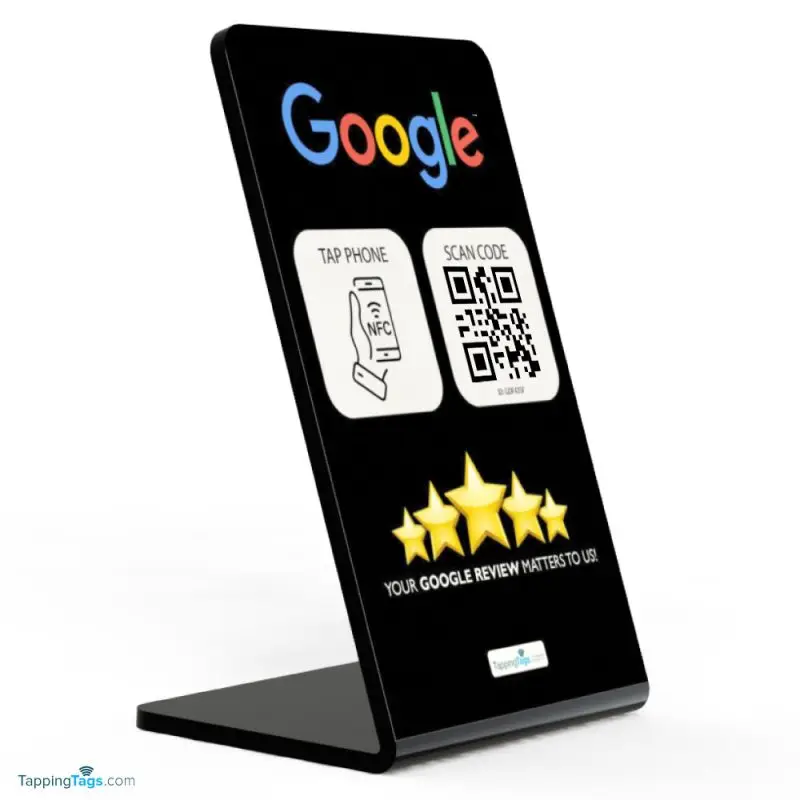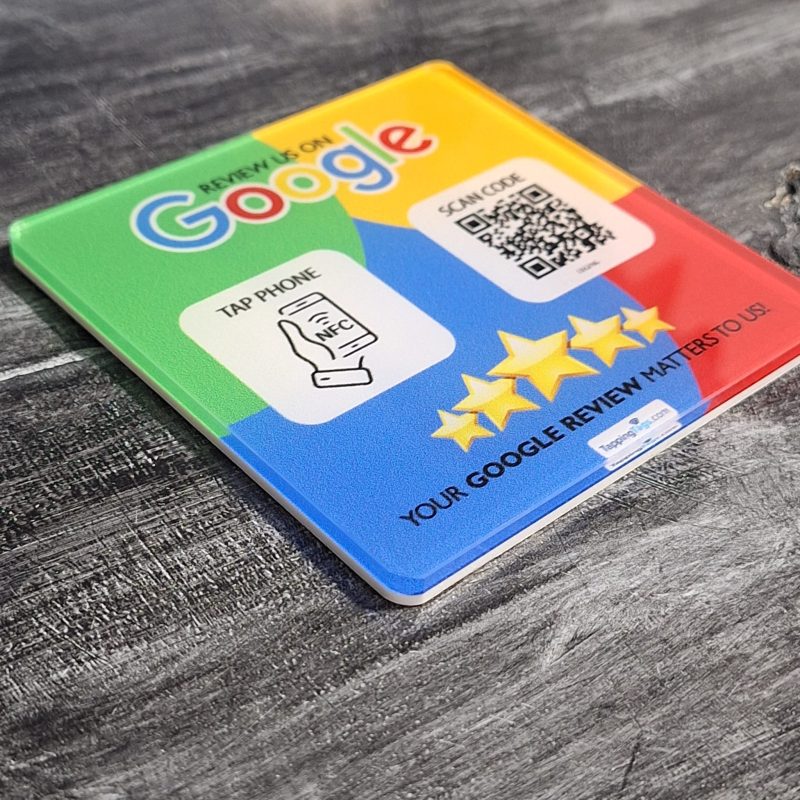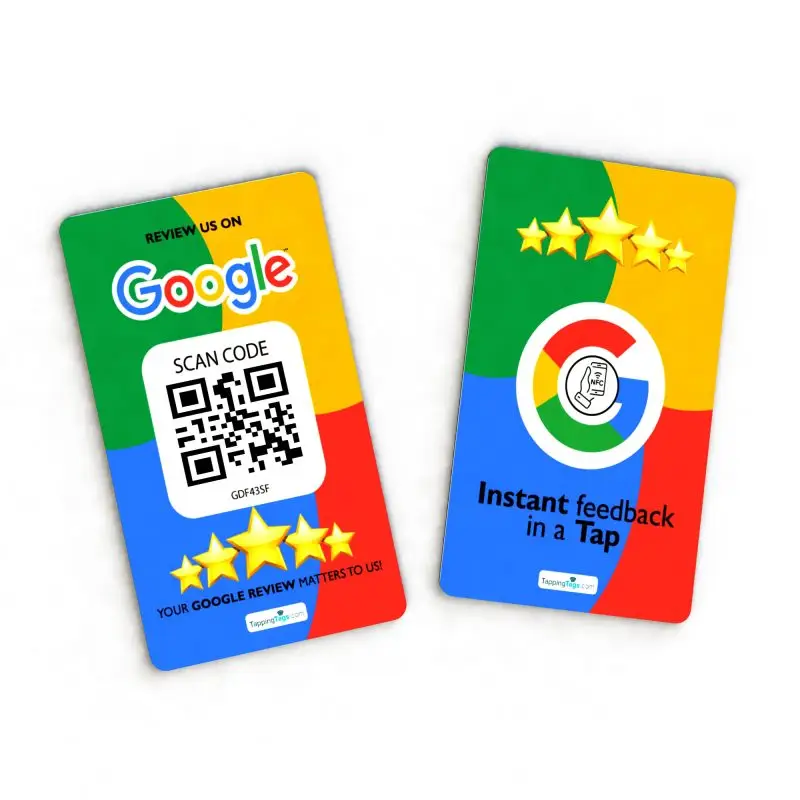
Collecting customer reviews after a mobile service visit is essential for building trust, improving service quality, and boosting your online presence. In today’s digital-first world, businesses that operate on-the-go—such as mobile repair services, home cleaning, or personal care providers—need a fast, efficient, and user-friendly way to gather feedback. That’s where Tapping Tags comes in. Tapping Tags is an innovative company transforming how businesses collect customer reviews using cutting-edge NFC technology. Their flagship product, the Google Review NFC card, allows customers to leave a review instantly by simply tapping the card with their smartphone—no apps, no hassle. This seamless process not only enhances the customer experience but also helps businesses increase their Google reviews, improve local SEO, and strengthen their online reputation. Whether you’re looking to double your reviews in 30 days or streamline your feedback process, learning how to collect reviews after a mobile service visit with tools like Tapping Tags’ NFC cards can be a game-changer for your business.
Timing Your Review Request for Maximum Response
Timing plays a crucial role in successfully collecting customer reviews after a mobile service visit. The moment you choose to request feedback can significantly influence whether a customer responds and how positively they rate their experience. Ideally, the best time to ask for a review is shortly after the service has been completed, while the experience is still fresh in the customer’s mind. According to a study by BrightLocal, 76% of consumers who are asked to leave a review go on to do so, but the likelihood decreases the longer you wait. This highlights the importance of promptness in your review strategy.
When a technician completes a mobile service, whether it’s a car repair, appliance maintenance, or tech support, the customer is most engaged immediately after the job is done. This is the window when they are most likely to provide honest and detailed feedback. Sending a review request within 24 hours of the service visit increases the chances of receiving a response. A well-timed message not only shows that you value their opinion but also reinforces the positive aspects of the service they just received.
To optimize your timing, consider automating your review request process. Automation tools can trigger a message to be sent as soon as the technician marks the job as complete. This ensures consistency and removes the burden of manual follow-ups. Additionally, personalization in your message can make a big difference. Addressing the customer by name and referencing the specific service they received adds a human touch and increases engagement.
It’s also important to consider the time of day when sending your request. Research suggests that emails sent between 2 PM and 3 PM or between 6 PM and 7 PM tend to have higher open and response rates. These time slots align with when people are likely to check their messages during breaks or after work. SMS requests can also be effective, especially when sent shortly after the service, as they tend to have higher open rates than emails.
Another effective strategy is to follow up if the customer doesn’t respond to the initial request. A gentle reminder sent a few days later can nudge them to take action. However, it’s essential to strike a balance and avoid being too persistent, which could annoy the customer and damage your brand’s reputation.
“Timing is everything when it comes to collecting reviews. A well-timed request can significantly boost your response rate and enhance your online reputation.”
Here are some examples of effective timing strategies used by successful mobile service businesses:
- A mobile car detailing company sends an SMS review request 30 minutes after the service is completed, resulting in a 40% increase in review submissions.
- An appliance repair service uses an automated email system to send personalized review requests within one hour of job completion, achieving a 35% response rate.
- A tech support provider follows up with a reminder email 48 hours after the initial request, leading to a 20% increase in reviews collected.
According to Podium, businesses that send review requests within the first 24 hours are 3 times more likely to receive a review than those that wait longer. This statistic underscores the importance of acting quickly and strategically.
For businesses looking to streamline their review collection process, integrating smart tools and NFC technology can be a game-changer. For instance, using a digital business card or a smart tag that links directly to a review page can make it easier for customers to leave feedback on the spot. You can explore such innovative tools in our shop or learn more about our mission and services on our about page.
In conclusion, the timing of your review request can make or break your review collection efforts. By reaching out promptly, personalizing your message, and using the right communication channels, you can significantly increase your chances of receiving valuable customer feedback. This not only helps improve your services but also builds trust and credibility with future clients. For more information or to get in touch with our team, feel free to visit our contact-us page.
Choosing the Right Channels to Ask for Feedback
Selecting the most effective channels to request feedback after a mobile service visit plays a crucial role in ensuring high response rates and gathering valuable insights. Since customers interact with businesses through various platforms, it is essential to meet them where they are most comfortable. Common and effective channels include SMS, email, in-app prompts, and social media messaging. SMS is particularly effective due to its high open rates and immediacy, making it ideal for quick feedback requests shortly after the service is completed. Email, on the other hand, allows for more detailed communication and can include links to review platforms or surveys. For businesses with a mobile app, in-app prompts can be seamlessly integrated into the user experience, encouraging feedback while the service is still fresh in the customer’s mind. Social media platforms like Facebook Messenger or WhatsApp can also be leveraged, especially if the customer initially contacted the business through those channels. It is important to personalize the message and keep the request concise, while also offering a direct link to the review page to reduce friction. Additionally, businesses should consider the timing of their request, ideally within 24 hours of the service, to ensure the experience is still top of mind. Using a combination of these channels can help reach a broader audience and increase the likelihood of receiving reviews. For businesses looking to streamline this process, integrating smart NFC technology or QR codes into service documentation or follow-up messages can make it easier for customers to leave feedback. To learn more about how innovative tools can enhance customer engagement, visit our about page. If you are interested in exploring smart products that simplify the review collection process, browse our shop for practical solutions.
In conclusion, collecting reviews after a mobile service visit is essential for building trust, improving your services, and attracting new customers. By making the review process simple, timely, and personalized, you encourage more clients to share their experiences. Utilize follow-up messages, QR codes, and user-friendly platforms to gather feedback efficiently. Remember, every review—positive or constructive—is an opportunity to grow and strengthen your brand. Start implementing these strategies today and watch your customer satisfaction and reputation soar.