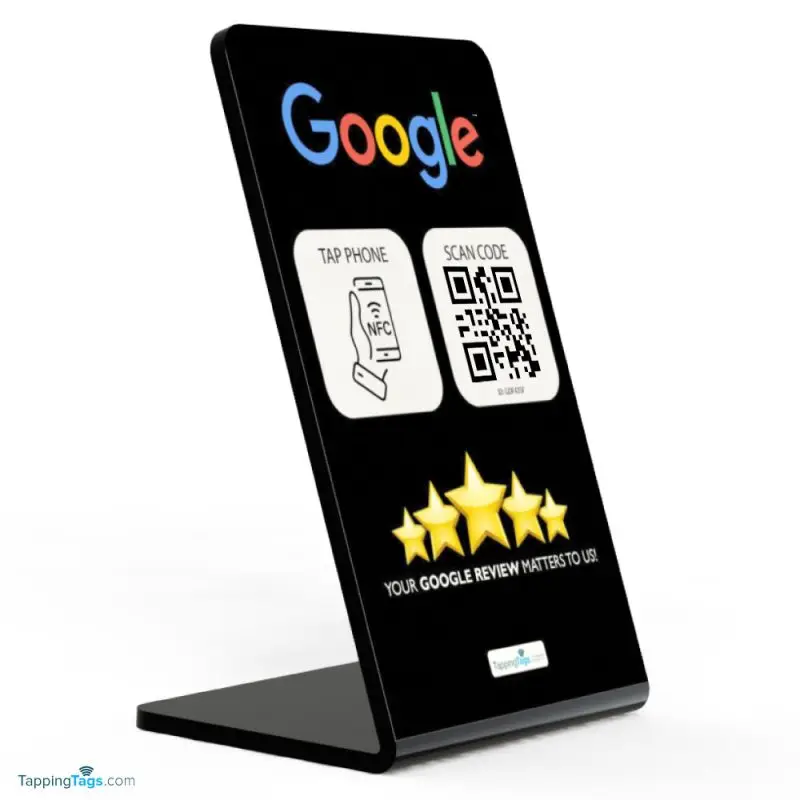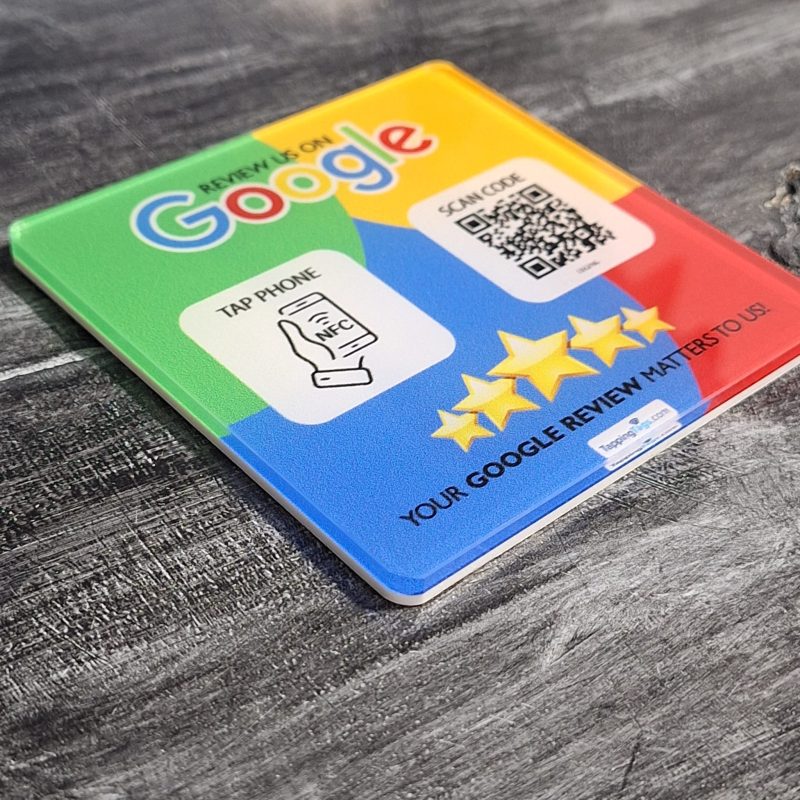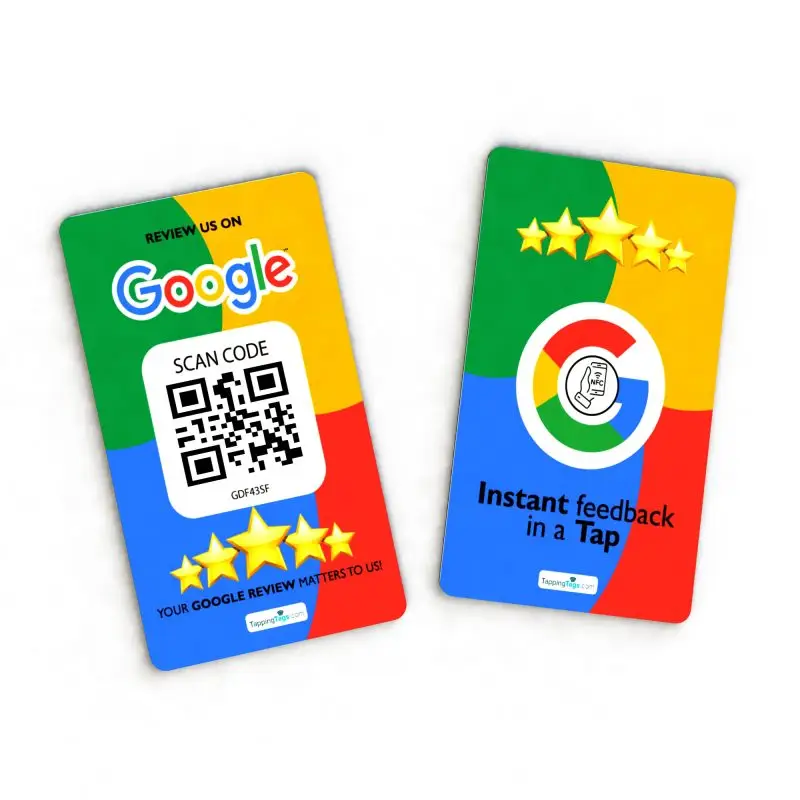
Managing customer feedback across multiple business locations can be a logistical nightmare—so how can you simplify it while boosting your online presence? NFC Cards for Multi-Location Businesses offer a smart, scalable solution. Tapping Tags, a pioneer in NFC technology, has developed Google Review NFC cards that make collecting customer reviews as easy as a tap. These cards are ideal for mobile services and multi-location brands aiming to enhance engagement and SEO without the hassle.
With a single tap, customers are directed to your Google review page—no apps, no delays. Tapping Tags’ NFC cards are cost-effective, reusable, and activate in under a minute. They’re already helping businesses double their reviews in just 30 days. Whether you run a salon chain or a fleet of food trucks, this article breaks down how NFC cards can unify your feedback strategy and boost your digital footprint.
But that’s just the beginning. Industry experts like Neil Patel have long emphasized the power of online reviews in driving local SEO and customer trust. So, if you’re ready to discover how NFC cards can transform your multi-location business, let’s dive into the full story and unlock the potential of contactless customer engagement.
Understanding NFC Technology
NFC, or Near Field Communication, enables two devices to exchange data when placed within close proximity. It operates using electromagnetic radio fields, allowing seamless, contactless communication. Unlike traditional methods, NFC doesn’t require manual pairing or scanning, making it faster and more secure.
Over the years, NFC has evolved from basic data sharing to powering mobile payments, smart access, and digital business cards. Today, businesses use NFC for streamlined check-ins, inventory tracking, and interactive marketing. Its integration into smartphones and wearables has made it accessible and practical for daily operations.
Compared to RFID, NFC offers two-way communication, while RFID is typically one-way. Bluetooth, on the other hand, requires pairing and consumes more power. NFC’s low energy usage and instant connection give it a clear edge in many business scenarios.
Companies with multiple locations benefit from NFC’s consistency and ease of deployment. It simplifies customer engagement and internal processes. To explore how NFC can enhance your business, visit our shop or learn more about our solutions.
The Role of NFC Cards in Business Operations
Near Field Communication (NFC) cards are compact, wireless tools that enable instant data exchange when tapped near a reader. In business settings, they serve multiple purposes—from secure access control to seamless employee identification. Unlike traditional methods, NFC cards reduce manual errors and speed up routine processes.
For instance, employees can tap their cards to enter restricted areas, eliminating the need for physical keys or passwords. Additionally, businesses use NFC cards to track attendance and manage time logs efficiently. These cards also enhance customer engagement by enabling quick check-ins, loyalty rewards, and contactless payments.
Industries such as hospitality, healthcare, and retail already benefit from NFC technology. Hotels use them for room access and guest services. Hospitals streamline staff authentication and patient tracking. Retailers improve customer experience through personalized promotions and faster transactions.
To explore how your business can adopt this technology, visit our shop for the latest NFC solutions. Learn more about our mission and expertise on the about page. NFC cards are not just tools—they’re a smart investment in operational efficiency.
Unique Challenges of Multi-Location Businesses
Managing several business locations introduces a web of operational complexities. Each site must function independently while aligning with the brand’s core standards. Data synchronization becomes a major hurdle, especially when systems fail to update in real time. This can lead to inventory mismatches, reporting errors, and delayed decision-making.
Employee access management is another critical concern. Ensuring the right people have the right access at the right time requires robust systems. Without centralized oversight, security risks and inefficiencies can escalate quickly.
Maintaining a consistent customer experience across all locations is equally challenging. Disparities in service quality, branding, or technology can damage customer trust. That’s why centralized control is essential. It sets the standard, while decentralized execution allows each location to adapt to local needs.
Balancing both approaches ensures agility without sacrificing consistency. To streamline operations, many businesses turn to smart solutions like digital tools and integrated platforms. These not only enhance efficiency but also support scalable growth. Learn more about how we support businesses at our company page.
Benefits of Using NFC Cards in Multi-Location Businesses
NFC cards offer a secure and streamlined solution for managing access across multiple business locations. With encrypted data and unique identifiers, they prevent unauthorized entry and reduce the risk of internal breaches. Managers can instantly update or revoke access without reissuing physical keys, enhancing control and responsiveness.
Beyond security, NFC cards significantly boost operational efficiency. They automate check-ins, reduce manual tracking, and eliminate paperwork. This not only saves time but also minimizes human error. Administrative tasks become faster, allowing staff to focus on core responsibilities.
Additionally, NFC technology supports loyalty programs by storing customer data and purchase history. Businesses can reward repeat visits and personalize offers with ease. For employees, NFC cards simplify time tracking—logging hours with a single tap. Inventory management also benefits, as staff can scan items quickly, improving accuracy and stock visibility.
These smart cards integrate seamlessly with existing systems, making them ideal for scaling operations. Learn more about our solutions on our homepage or explore our full range in the shop.
Implementing NFC Card Systems Across Multiple Locations
Start by assessing your current infrastructure and identifying the specific needs of each location. Next, choose a scalable NFC solution that supports cloud integration for seamless data syncing. This ensures real-time access and centralized control across all branches.
Develop a deployment plan that includes hardware installation, software configuration, and system testing. Prioritize compatibility with existing systems to avoid disruptions. Once installed, conduct a pilot test in one location before rolling it out company-wide.
Training is crucial. Create a standardized training program for staff at every site. Use visual guides, hands-on sessions, and regular refreshers to reinforce proper usage. Assign local NFC champions to support team members and troubleshoot common issues.
Ensure consistent branding and user experience across all locations. Monitor system performance and gather feedback regularly to refine processes. For added support, explore our contact-us page to connect with our experts.
Finally, maintain open communication between locations to share insights and improvements. Visit our shop to explore NFC tools designed for multi-location businesses.
Integration with Existing Business Systems
NFC card systems easily connect with essential business tools like POS, CRM, HR, and security platforms. Through API integration, businesses can sync customer data, employee access, and sales transactions in real time. Middleware solutions help bridge legacy systems with modern NFC technology, ensuring smooth communication across platforms.
Centralizing data from multiple locations improves operational efficiency. Managers can monitor employee check-ins, customer interactions, and inventory updates from a single dashboard. This real-time visibility supports faster decision-making and reduces manual errors.
Security systems benefit from NFC by enabling controlled access to restricted areas. HR departments can automate attendance tracking and streamline onboarding processes. CRM platforms gain accurate customer insights, enhancing personalization and retention.
For seamless integration, businesses must assess system compatibility and invest in scalable middleware. Regular updates and secure API connections are crucial to maintain performance and data integrity.
To explore how these solutions can elevate your operations, visit our shop or learn more about our technology.
Security and Privacy Considerations
NFC cards offer convenience, but they also introduce security vulnerabilities. Unauthorized access and data interception are real threats. To reduce risks, businesses must implement strong encryption standards. AES-256 encryption ensures data remains unreadable during transmission. Additionally, multi-factor authentication adds a crucial layer of protection.
Secure data storage is equally important. Store sensitive information on encrypted servers with limited access. Regular security audits help identify and fix potential weaknesses. Moreover, businesses should use tokenization to replace sensitive data with non-sensitive equivalents.
Compliance with privacy laws is non-negotiable. Regulations like GDPR and CCPA require transparent data handling practices. Businesses must inform users how their data is collected, stored, and used. Consent must be explicit and revocable at any time.
Failing to comply can lead to hefty fines and reputational damage. Therefore, it’s essential to stay updated with evolving legal requirements. Partnering with a trusted provider ensures your NFC solutions meet all standards.
For more details on our secure NFC products, visit our shop. Learn about our commitment to data protection on our about page.
Cost Analysis and ROI of NFC Card Implementation
Implementing NFC cards involves an upfront investment in hardware, software, and staff training. Businesses typically spend on NFC-enabled readers, card production, and integration tools. Training employees ensures smooth adoption and maximizes system efficiency. While the initial cost may seem high, the long-term savings are substantial.
Traditional systems often require manual data entry, physical paperwork, and frequent maintenance. In contrast, NFC cards streamline operations, reduce labor costs, and minimize errors. Over time, these efficiencies lead to significant cost reductions.
For example, a retail chain with five locations adopted NFC cards for customer check-ins and inventory tracking. Within six months, they reported a 30% drop in administrative expenses. Another hospitality brand saw a 25% increase in customer retention after switching to NFC-based loyalty programs.
These real-world results highlight the strong return on investment. Businesses not only save money but also enhance customer experience. To explore how this technology fits your model, visit our shop or learn more about our solutions.
Future Trends in NFC Technology for Businesses
NFC technology is rapidly evolving, driven by innovation and rising customer expectations. Mobile NFC is gaining traction, enabling seamless tap-to-pay and access solutions through smartphones. Meanwhile, biometric integration is enhancing security, allowing businesses to authenticate users with fingerprints or facial recognition. These advancements are not just futuristic—they’re becoming essential.
Artificial intelligence is also reshaping how companies use NFC. AI-powered analytics can track customer behavior across multiple locations, offering real-time insights for smarter decision-making. As a result, businesses can personalize experiences and optimize operations more effectively.
The rollout of 5G and the expansion of IoT will further accelerate NFC adoption. Faster data speeds and interconnected devices will enable instant communication between NFC cards and cloud-based systems. This means quicker transactions and improved customer service across all branches.
Digital transformation is no longer optional. Customers now expect fast, contactless, and secure interactions. Businesses that adapt will stay ahead. Those that don’t risk falling behind. To explore how your company can benefit, visit our shop or learn more about our innovative solutions.
Frequently Asked Questions (FAQs)
NFC cards differ from RFID cards in range and functionality. NFC operates at a shorter distance, offering more secure, tap-based interactions. Yes, NFC cards are secure for business use. They use encryption and authentication protocols to protect data. Implementing an NFC system across multiple locations typically takes a few weeks, depending on scale and infrastructure. Businesses can fully customize NFC cards for branding, access levels, and specific functions.
If a card is lost or stolen, it can be deactivated remotely to prevent unauthorized use. NFC cards also integrate seamlessly with mobile devices, allowing tap-to-access or tap-to-pay features. There’s no hard limit to how many locations can use the same NFC system. It scales easily with cloud-based management tools.
Maintenance is minimal—mostly software updates and occasional hardware checks. NFC cards serve both employees and customers, supporting access control, loyalty programs, and contactless payments. Industry-specific solutions exist for retail, hospitality, healthcare, and more.
To explore tailored options, visit our shop or learn more about our technology.