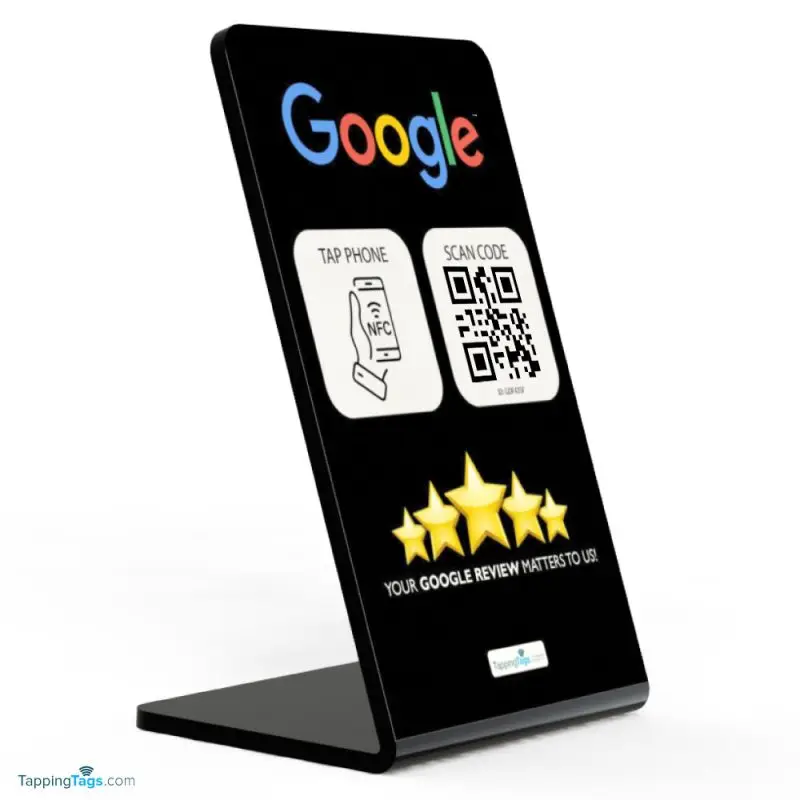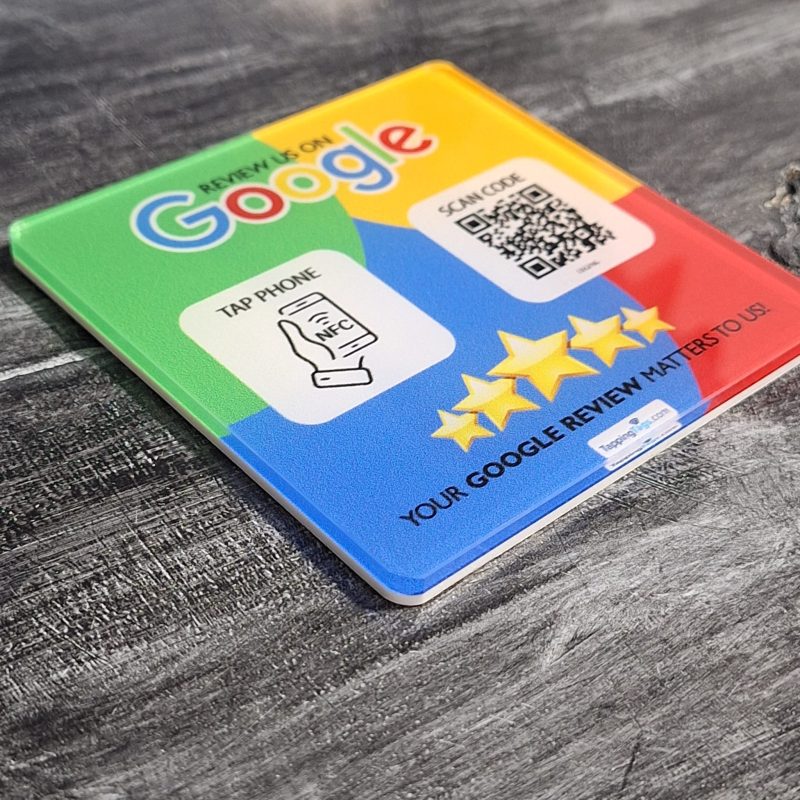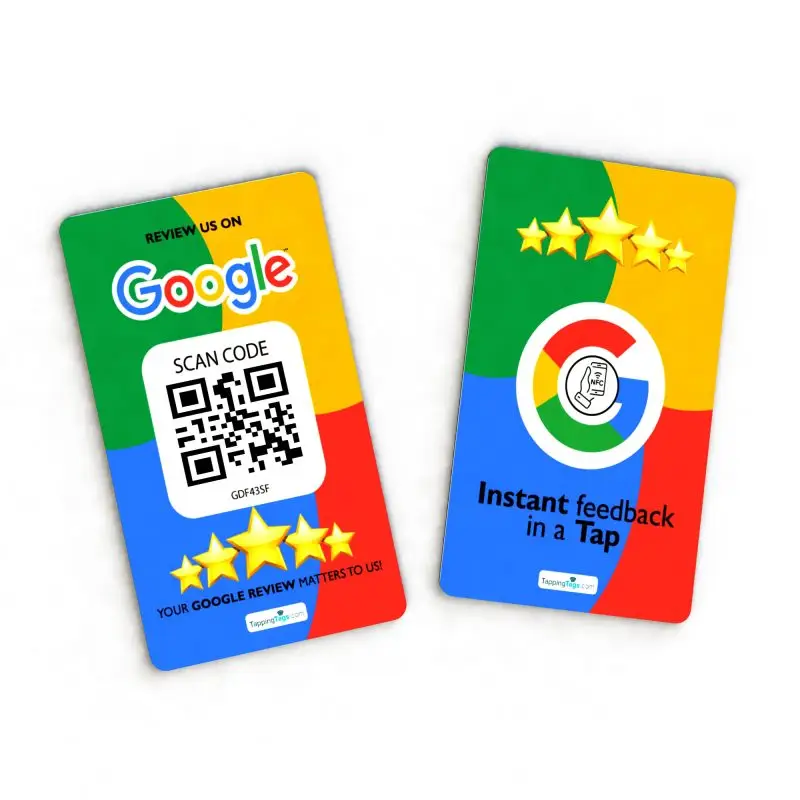
In today’s digital landscape, customer reviews play a crucial role in building trust and credibility for any business. But what if your business doesn’t have a Google listing? Whether you’re a new startup, a service provider without a physical location, or simply operating in a niche market, learning how to get reviews without a Google listing can still significantly boost your online reputation. Revolutionizing customer feedback with NFC technology, Tapping Tags offers a smart solution. Their innovative Google Review NFC cards make it easier than ever to collect authentic customer feedback in real-time. By simply tapping the card with a smartphone, customers are instantly directed to a custom review platform—no Google listing required. This seamless process not only enhances customer engagement but also helps businesses gather valuable testimonials that can be showcased on websites, social media, or other review platforms. With Tapping Tags, collecting reviews without a Google listing is no longer a challenge—it’s a strategic advantage.
Understanding the Importance of Reviews for Your Business
In today’s digital-first world, customer reviews have become one of the most influential factors in shaping a business’s reputation and driving consumer decisions. Whether you operate a brick-and-mortar store or an online business, reviews serve as social proof that can significantly impact your credibility, visibility, and ultimately, your bottom line. Even if your business does not have a Google listing, understanding the importance of reviews and how to leverage them across alternative platforms is essential for long-term success.
Reviews are more than just feedback; they are a reflection of your brand’s trustworthiness and the quality of your products or services. According to a study by BrightLocal, 87 percent of consumers read online reviews for local businesses in 2020, with 79 percent trusting them as much as personal recommendations. This statistic underscores the power of reviews in influencing purchasing behavior. When potential customers see positive feedback from others, they are more likely to trust your business and feel confident in their decision to engage with you.
Moreover, reviews contribute to your business’s online presence and search engine optimization (SEO). While Google reviews are a major factor in local SEO, other platforms such as Yelp, Facebook, Trustpilot, and industry-specific directories also play a crucial role. These platforms can help you build a strong digital footprint, especially when a Google listing is not an option. Encouraging satisfied customers to leave reviews on these sites can enhance your visibility and attract new clients who rely on peer feedback to make informed choices.
Another compelling reason to prioritize reviews is their ability to provide valuable insights into customer satisfaction and areas for improvement. By analyzing feedback, you can identify trends, address recurring issues, and make data-driven decisions to enhance your offerings. This proactive approach not only improves customer experience but also demonstrates your commitment to continuous improvement, which can foster loyalty and repeat business.
Additionally, reviews can serve as powerful marketing tools. Positive testimonials can be repurposed across your website, social media channels, and promotional materials to build trust and credibility. For instance, featuring customer reviews on your homepage or product pages can increase conversion rates by providing reassurance to potential buyers. According to Spiegel Research Center, displaying reviews can boost conversion rates by up to 270 percent, particularly for higher-priced items.
It is also important to recognize the role of reviews in competitive differentiation. In saturated markets, businesses that actively collect and showcase positive feedback often stand out from the competition. Consumers are more likely to choose a business with a strong reputation and a track record of customer satisfaction. This is particularly relevant for small businesses and startups that may not have the brand recognition of larger competitors but can leverage reviews to build trust and authority.
For businesses without a Google listing, alternative strategies for collecting and managing reviews are essential. These may include:
- Encouraging reviews on social media platforms like Facebook, where customers can leave ratings and comments on your business page.
- Utilizing third-party review sites such as Trustpilot, Sitejabber, or industry-specific directories that cater to your niche.
- Incorporating review requests into post-purchase emails or SMS campaigns to prompt satisfied customers to share their experiences.
- Creating a dedicated testimonials section on your website where customers can submit and read reviews.
- Offering incentives such as discounts or loyalty points in exchange for honest feedback, while ensuring compliance with platform guidelines.
"Customer reviews are the new word-of-mouth. They not only influence buying decisions but also shape your brand’s online identity."
In addition to these strategies, businesses should actively monitor and respond to reviews to show appreciation and address concerns. Engaging with reviewers demonstrates that you value their input and are committed to providing excellent service. This level of responsiveness can turn a neutral or negative experience into a positive one and encourage others to share their feedback.
Furthermore, reviews can enhance your content marketing efforts. By analyzing common themes in customer feedback, you can create blog posts, FAQs, and how-to guides that address customer needs and pain points. This not only improves user experience but also boosts your SEO by targeting relevant keywords and topics.
For example, if multiple customers praise the durability of your products, you can create a blog post highlighting the materials and craftsmanship that contribute to their longevity. Similarly, if customers frequently ask about how to use a particular product, a step-by-step guide or video tutorial can provide added value and encourage engagement.
To maximize the impact of reviews, it is crucial to integrate them seamlessly into your overall marketing strategy. This includes promoting positive feedback on your social media channels, featuring testimonials in email campaigns, and using customer quotes in advertising materials. By doing so, you can amplify the voice of your satisfied customers and build a strong, trustworthy brand image.
For businesses looking to enhance their review strategy, it is also beneficial to explore tools and technologies that streamline the process. Review management platforms can help you collect, monitor, and respond to feedback across multiple channels, saving time and ensuring consistency. These tools often include analytics features that provide insights into customer sentiment and review trends, enabling you to make informed decisions and improve your offerings.
In conclusion, reviews are a vital component of any business’s success, regardless of whether you have a Google listing. They influence consumer behavior, enhance your online presence, provide valuable insights, and serve as powerful marketing assets. By prioritizing customer feedback and leveraging alternative platforms, you can build trust, differentiate your brand, and drive growth in a competitive marketplace.
To learn more about how your business can benefit from innovative review strategies and digital tools, visit our about page or explore our range of smart solutions in the shop. For personalized assistance, feel free to reach out through our contact-us page.
For further reading and resources on the importance of reviews, consider the following:
- BrightLocal Local Consumer Review Survey
- Spiegel Research Center: The Power of Reviews
- Trustpilot Business Resources
Why You Might Not Have a Google Listing
There are several reasons why your business might not have a Google listing, and understanding these can help you determine the best alternative strategies for gathering customer reviews. One of the most common reasons is that your business is relatively new and has not yet been added to Google’s database. Google often relies on publicly available information and user submissions to populate its listings, so if your business has not been registered with Google Business Profile or lacks an online presence, it may not appear in search results. Additionally, some businesses operate in industries or niches that are not eligible for a Google listing, such as online-only services without a physical address or businesses that operate in restricted categories. In other cases, your listing may have been suspended or removed due to violations of Google’s guidelines, such as inaccurate information, keyword stuffing, or suspicious activity. It’s also possible that your business was listed but has since been marked as closed or duplicate, which can happen if multiple entries exist or if users mistakenly report it. Furthermore, businesses that operate under a parent company or franchise model may not have individual listings if the main brand manages all online profiles centrally. If you are unsure why your business is not appearing, it may be helpful to review Google’s eligibility requirements or reach out to their support team for clarification. In the meantime, you can still build credibility and collect valuable customer feedback through alternative platforms and tools. For example, using NFC-enabled review tools like those offered in our shop can help you gather reviews directly from customers without relying on Google. These tools are especially useful for businesses that want to maintain control over their review process and ensure a seamless experience for their clients. To learn more about how our solutions can support your business growth, visit our about page and discover how we help brands thrive in the digital space.
Leveraging Social Media Platforms for Customer Feedback
Social media has evolved into a powerful tool for businesses seeking to gather customer feedback without relying on a Google listing. Platforms like Facebook, Instagram, Twitter, and LinkedIn offer direct access to your audience, allowing you to engage with them in real time and collect valuable insights about your products or services. By creating interactive posts such as polls, Q&A sessions, and story-based surveys, businesses can encourage followers to share their opinions in a casual and accessible environment. These platforms also allow for the monitoring of comments, mentions, and direct messages, which can reveal recurring themes in customer experiences and expectations. Encouraging satisfied customers to leave reviews on your social media pages not only builds credibility but also increases visibility among potential clients who may be researching your brand. Additionally, showcasing positive feedback through posts or stories can enhance your brand image and foster trust. To streamline this process, businesses can integrate social media feedback into their customer service strategy, ensuring that every comment or message is acknowledged and addressed promptly. This level of responsiveness demonstrates a commitment to customer satisfaction and can lead to increased loyalty. Moreover, social media platforms offer analytics tools that help track engagement and sentiment, providing a data-driven approach to understanding customer needs. For businesses looking to expand their reach and improve their online reputation without a Google listing, leveraging social media is both a practical and effective strategy. It also complements other digital efforts such as optimizing your website and enhancing user experience. For example, directing traffic from social media to your official website can increase engagement and conversions. If you are looking to improve your digital presence, consider exploring our shop for innovative solutions or learn more about our mission and services on the about page. Engaging with your audience through social media not only helps in collecting feedback but also builds a community around your brand, which is essential for long-term success in the digital marketplace.
Using Third-Party Review Sites to Build Credibility
One of the most effective strategies for gathering customer feedback and enhancing your brand’s reputation without relying on a Google listing is to leverage third-party review sites. These platforms serve as trusted sources for consumers seeking honest opinions and experiences from other users. By establishing a presence on reputable review sites such as Yelp, Trustpilot, TripAdvisor, Better Business Bureau, and industry-specific directories, businesses can build credibility and foster trust among potential customers. These platforms often rank well in search engine results, which means that positive reviews can significantly improve your online visibility even without a Google Business Profile. To get started, identify which review sites are most relevant to your industry and target audience. For example, a restaurant might benefit from Yelp and TripAdvisor, while a tech product might gain more traction on Trustpilot or Capterra. Once you have selected the appropriate platforms, create a detailed and professional profile that includes accurate business information, high-quality images, and a compelling description of your products or services. Encourage satisfied customers to leave reviews by sending follow-up emails, including review links in your newsletters, or offering incentives such as discounts on future purchases. It is essential to respond to reviews promptly and professionally, whether they are positive or negative. This shows that you value customer feedback and are committed to improving your offerings. Additionally, sharing positive reviews on your website and social media channels can amplify their impact and reach a broader audience. Embedding testimonials or linking to your review profiles can also enhance your website’s credibility and user experience. For instance, if you run an e-commerce store, consider integrating customer reviews into your product pages to provide social proof and encourage conversions. Similarly, including a section on your About page that highlights your top-rated reviews can reinforce your brand’s trustworthiness. It is also beneficial to monitor your reputation across these platforms regularly, using tools or manual checks to stay informed about new reviews and emerging trends in customer feedback. This proactive approach allows you to address concerns quickly and adapt your business strategies to meet customer expectations. Furthermore, third-party review sites often offer analytics and insights that can help you understand customer sentiment and identify areas for improvement. By consistently engaging with these platforms and maintaining a positive presence, you can build a strong foundation of trust and credibility that supports your business growth, even in the absence of a Google listing.
Encouraging Reviews Through Email Marketing Campaigns
One of the most effective strategies for gathering customer feedback without relying on a Google listing is through well-crafted email marketing campaigns. Email remains a powerful communication tool that allows businesses to directly reach their customers and encourage them to share their experiences. By sending personalized follow-up emails after a purchase or service interaction, businesses can prompt customers to leave reviews on alternative platforms such as their website, social media pages, or third-party review sites. These emails should be timely, ideally sent within a few days of the transaction, and should include a clear call-to-action that guides the recipient on how and where to leave a review. Offering a small incentive, such as a discount on a future purchase or entry into a giveaway, can further motivate customers to provide feedback. It is important to ensure that the tone of the email is friendly and appreciative, emphasizing how much their opinion matters to the business. Additionally, segmenting your email list based on customer behavior or purchase history allows for more targeted messaging, which can increase engagement and response rates. For businesses looking to streamline this process, using email automation tools can help maintain consistency and save time. Integrating review requests into your regular email newsletters or post-purchase sequences can also keep the momentum going. To build trust and transparency, consider showcasing some of the collected reviews on your website or product pages. This not only validates your offerings but also encourages others to contribute their own feedback. For example, businesses can direct customers to their own review section on their site or even a dedicated testimonial page. If you are looking to enhance your brand’s credibility and customer engagement, explore the options available on our shop or learn more about our mission and values on the about page. Email marketing, when executed thoughtfully, can be a reliable and scalable method to gather authentic reviews and strengthen customer relationships, all without the need for a Google listing.
Collecting Testimonials Directly from Customers
One of the most effective ways to gather reviews without relying on a Google listing is by directly reaching out to your customers and collecting testimonials. This approach allows you to maintain control over the feedback process and ensures that you receive authentic, high-quality responses that can be used across various platforms. Start by identifying your most satisfied customers—those who have had a positive experience with your product or service. You can reach out to them via email, phone calls, or even in person, depending on your business model. When requesting a testimonial, make it as easy as possible for the customer. Provide a few guiding questions or a simple form to fill out, which can help them articulate their thoughts clearly and effectively.
Offering a small incentive, such as a discount on their next purchase or a free sample, can also encourage more customers to participate. Once collected, these testimonials can be showcased on your website, social media pages, and marketing materials. For example, placing them on your homepage or a dedicated testimonials section can significantly boost credibility and trust among new visitors. If you have an e-commerce platform, consider integrating customer feedback directly into your product pages to influence purchasing decisions. You can also feature these testimonials on your About page to give potential customers a sense of your brand’s reliability and customer satisfaction.
Another effective method is to use QR codes or NFC technology to make it convenient for customers to leave feedback immediately after a purchase or service. This can be particularly useful in physical retail environments or service-based businesses. Tools like Tapping Tags offer innovative solutions that make it easy for customers to share their experiences in real time. Embedding a direct link to a testimonial submission form on your Contact Us page can also streamline the process. Additionally, always follow up with a thank-you message after receiving a testimonial. This not only shows appreciation but also strengthens the customer relationship, increasing the likelihood of repeat business and further referrals. By consistently collecting and showcasing genuine testimonials, you can build a strong reputation and drive growth, even without a presence on Google Reviews.
Creating a Review Page on Your Website
One of the most effective ways to gather customer feedback and build trust without relying on a Google listing is by creating a dedicated review page on your website. This page serves as a centralized hub where satisfied customers can easily leave testimonials about their experience with your product or service. By offering a user-friendly and accessible platform for reviews, you not only encourage more engagement but also enhance your website’s credibility and search engine visibility. To begin, ensure the review page is prominently linked from your main navigation menu or footer so visitors can find it effortlessly. The design should be clean and intuitive, with clear instructions guiding users on how to submit their feedback. Including a simple form with fields for name, email, star rating, and comments can streamline the process and increase the likelihood of participation. Additionally, displaying existing reviews on the same page adds social proof and encourages others to contribute their own experiences.
To maximize the effectiveness of your review page, consider integrating it with your customer communication strategy. For instance, after a purchase or service completion, send a follow-up email thanking the customer and inviting them to leave a review on your website. This proactive approach not only shows appreciation but also gently nudges customers to share their thoughts. You can also include a direct link to the review page in your email signature or on printed materials like receipts and packaging inserts. Another useful tactic is to offer a small incentive, such as a discount code or entry into a giveaway, to motivate customers to leave a review. However, ensure that any incentives comply with ethical guidelines and do not influence the content of the reviews.
Search engines value fresh and unique content, and customer reviews provide exactly that. Each new review adds relevant keywords and phrases to your site, which can improve your organic search rankings over time. To further enhance SEO, make sure the review page includes schema markup, which helps search engines understand the content and display rich snippets in search results. This can increase your click-through rate and drive more traffic to your site. Additionally, consider categorizing reviews by product or service type if your business offers multiple offerings. This not only improves user experience but also allows for more targeted keyword optimization.
Promoting your review page across various channels can also boost visibility and engagement. Share the link on your social media profiles, include it in your email newsletters, and mention it in blog posts or other content marketing efforts. The more exposure your review page receives, the more likely customers are to interact with it. You can also collaborate with influencers or loyal customers to generate authentic reviews that resonate with your target audience. These testimonials can then be featured on your homepage or product pages to reinforce trust and drive conversions.
Incorporating a review page into your website also provides valuable insights into customer satisfaction and areas for improvement. By regularly monitoring and analyzing the feedback, you can identify trends, address concerns, and make informed decisions to enhance your offerings. Responding to reviews, whether positive or negative, demonstrates that you value customer input and are committed to continuous improvement. This level of engagement can foster stronger relationships and encourage repeat business.
For businesses that operate primarily online or without a physical location, having a robust review system on your website is especially crucial. It allows you to build a reputation independently of third-party platforms like Google, giving you greater control over your brand narrative. Moreover, it ensures that potential customers who discover your site through other means can still access genuine feedback to inform their purchasing decisions.
To further support your review collection efforts, make sure your website is fully optimized and easy to navigate. A well-structured site not only enhances user experience but also encourages visitors to explore more pages and engage with your content. If you’re looking to improve your site’s overall functionality and design, consider visiting our home page for inspiration. You can also learn more about our mission and values by exploring the about section, which highlights our commitment to customer satisfaction and innovation.
In conclusion, creating a review page on your website is a powerful strategy for collecting and showcasing customer feedback without relying on a Google listing. It enhances your online presence, builds trust with potential customers, and provides valuable insights for business growth. By making the process simple, accessible, and integrated into your overall marketing strategy, you can turn satisfied customers into brand advocates and drive long-term success. For any questions or assistance in setting up your review system, feel free to reach out through our contact-us page.
Utilizing Industry-Specific Review Platforms
When your business lacks a Google listing, it becomes essential to explore alternative avenues for building credibility and attracting customer trust. One of the most effective strategies is leveraging industry-specific review platforms. These platforms cater to niche markets and are often frequented by consumers who are actively seeking specialized services or products. By focusing on platforms tailored to your industry, you can reach a more targeted audience that is already interested in what you offer. For example, if you operate in the hospitality sector, websites like TripAdvisor or Yelp can serve as powerful tools for gathering and showcasing customer feedback. Similarly, professionals in the healthcare, legal, or home services industries can benefit from platforms like Healthgrades, Avvo, or Angie’s List, respectively. These sites not only allow customers to leave reviews but also often rank well in search engine results, increasing your online visibility even without a Google listing.
To make the most of these platforms, ensure your business profile is complete and up-to-date. Include detailed descriptions of your services, high-quality images, and accurate contact information. Encourage satisfied clients to leave honest reviews by providing them with direct links or simple instructions on how to do so. Responding to reviews, whether positive or negative, also demonstrates your commitment to customer satisfaction and helps build trust with potential clients. Additionally, sharing these reviews on your website and social media channels can amplify their impact. For instance, you can create a testimonials section on your site or feature standout reviews in your marketing materials. This not only boosts your credibility but also enhances your brand’s reputation across multiple touchpoints.
Moreover, integrating review collection into your customer journey can significantly increase the number of reviews you receive. After completing a service or delivering a product, follow up with a polite request for feedback. This can be done through email, SMS, or even a printed card with a QR code leading to your preferred review platform. The easier you make it for customers to leave a review, the more likely they are to do so. If you sell products online or in-store, consider adding a review request in your packaging or on your receipt. For businesses that operate offline or through word-of-mouth, having a strong presence on industry-specific platforms can serve as a digital footprint that validates your expertise and reliability.
Another advantage of using these platforms is the opportunity to gain insights into customer preferences and areas for improvement. By analyzing the feedback you receive, you can identify trends, address recurring issues, and refine your offerings to better meet customer needs. This proactive approach not only enhances customer satisfaction but also positions your business as one that values continuous improvement. Furthermore, many industry-specific platforms offer analytics tools that allow you to track performance metrics such as review volume, average ratings, and customer engagement. These insights can inform your marketing strategies and help you make data-driven decisions.
In addition to collecting reviews, consider engaging with the community on these platforms. Participate in forums, answer questions, and share your expertise to establish yourself as a thought leader in your field. This not only increases your visibility but also builds trust with potential customers who are researching their options. Being active on these platforms can also lead to networking opportunities and partnerships that further enhance your business’s reputation and reach.
To support your efforts, make sure your website reflects the same level of professionalism and attention to detail as your profiles on review platforms. A well-designed website with clear navigation, compelling content, and easy access to your reviews can significantly influence a visitor’s decision to choose your business. If you have not yet established a strong online presence, consider exploring the offerings on our shop page to find tools and products that can help you enhance your brand visibility. Additionally, learning more about our mission and values on the about page can provide insights into how we support businesses like yours in building trust and credibility without relying solely on Google listings.
Finally, do not underestimate the power of consistency. Regularly updating your profiles, engaging with customers, and encouraging new reviews will keep your business relevant and trustworthy in the eyes of potential clients. Over time, your presence on industry-specific review platforms can become a cornerstone of your reputation management strategy, helping you grow and succeed even in the absence of a Google listing.
Asking for Reviews After a Successful Transaction
One of the most effective ways to gather authentic customer feedback without relying on a Google listing is by requesting reviews immediately after a successful transaction. This moment is crucial because the customer’s experience is still fresh, and their satisfaction is at its peak. Whether you operate an online store, provide a service, or run a physical business without a Google presence, leveraging this timing can significantly increase your chances of receiving positive and detailed reviews. Start by expressing genuine appreciation for their business and politely ask if they would be willing to share their thoughts. You can do this through a follow-up email, a thank-you message, or even a personalized note included with their purchase. Make the process as simple as possible by providing direct links to your preferred review platform or a dedicated feedback form. If you have a website, consider integrating a review section or testimonial page where customers can easily leave their comments. This not only builds trust with future customers but also enhances your brand’s credibility. For example, if you are selling products through your online store, you can direct customers to your shop page where they can leave product-specific reviews. Additionally, including a call-to-action on your home page encouraging satisfied customers to share their experiences can further boost engagement. Always ensure that your request feels personal and not automated, as this increases the likelihood of a response. Over time, consistently asking for reviews after each successful transaction will help you build a strong portfolio of customer testimonials, which can be showcased across your digital platforms to attract new clients and reinforce your reputation.
Incentivizing Feedback Without Violating Guidelines
Encouraging customers to share their experiences is a powerful way to build trust and credibility, especially when you do not have a Google listing to collect reviews. However, it is essential to approach this process ethically and within the boundaries of platform guidelines. Offering incentives for feedback can be effective, but it must be done in a way that does not manipulate or bias the review. Instead of directly rewarding customers for leaving a positive review, consider offering a general incentive for providing honest feedback, regardless of whether it is positive or negative. For example, you might enter all reviewers into a monthly giveaway or offer a small discount on their next purchase simply for sharing their thoughts. This approach encourages participation without pressuring the customer to leave a favorable review. Transparency is key. Make it clear that the incentive is for their time and opinion, not for a specific type of feedback. Additionally, you can use follow-up emails or messages after a purchase to gently remind customers to share their experience. These messages should be personalized and express genuine interest in their satisfaction. Including a direct link to your preferred review platform or feedback form can simplify the process and increase response rates. If you have a physical product or service, consider using NFC technology or QR codes that lead to a feedback page. This can be integrated into your packaging or receipts, making it easy for customers to respond. For businesses looking to streamline this process, platforms like TappingTags offer innovative solutions that help bridge the gap between offline interactions and online feedback collection. By embedding smart tags into your product or promotional materials, you can guide customers to a review page with a simple tap or scan. This not only enhances user experience but also increases the likelihood of receiving valuable feedback. Remember, building a strong reputation takes time and consistency. Focus on delivering excellent customer service and authentic engagement. Encourage feedback through your website, social media, and email campaigns. You can also direct customers to your About page to learn more about your brand values and mission, which can foster a deeper connection and motivate them to share their experiences. If customers have questions or need assistance, ensure they can easily reach out through your Contact Us page. By creating a seamless and respectful feedback process, you can gather meaningful reviews that reflect the true quality of your offerings without relying on a Google listing.
Showcasing Reviews Across Your Marketing Channels
Once you have successfully gathered customer reviews without relying on a Google listing, the next crucial step is to strategically showcase these testimonials across your marketing channels. Doing so not only builds trust with potential customers but also reinforces your brand’s credibility and reputation. Reviews serve as powerful social proof, influencing purchasing decisions and enhancing customer confidence in your products or services. To maximize their impact, it is essential to integrate these reviews seamlessly into your website, email campaigns, social media platforms, and even offline materials.
Start by featuring reviews prominently on your website. Create a dedicated testimonials page or incorporate them into key landing pages where visitors are most likely to make decisions. For example, placing reviews near product descriptions or service details can provide reassurance at the exact moment a potential customer is considering a purchase. If you operate an e-commerce platform, consider embedding customer feedback directly on product pages. This not only boosts transparency but also helps in improving conversion rates. You can explore how this is effectively done by visiting our shop page, where customer experiences are highlighted to support informed buying decisions.
Email marketing is another powerful channel for showcasing reviews. Including a few positive testimonials in your newsletters or promotional emails can significantly increase engagement and click-through rates. When launching a new product or service, featuring early customer feedback in your email campaigns can create excitement and build anticipation. Additionally, personalized emails that include reviews relevant to a customer’s previous purchases can enhance the overall user experience and encourage repeat business.
Social media platforms offer an excellent opportunity to amplify your reviews to a broader audience. Share customer testimonials in the form of quote graphics, short video clips, or carousel posts. Tagging the customers who provided the reviews, with their permission, adds authenticity and encourages further interaction. Platforms like Instagram, Facebook, and LinkedIn are ideal for this type of content, as they allow for visual storytelling and community engagement. Regularly posting reviews also keeps your content fresh and demonstrates ongoing customer satisfaction.
Incorporating reviews into your offline marketing materials can also be highly effective. Whether it’s brochures, flyers, or in-store displays, including real customer feedback adds a layer of trust and relatability. For businesses that attend trade shows or events, showcasing reviews on banners or digital screens can attract attention and initiate conversations with potential clients.
Another innovative way to display reviews is through QR codes that link directly to a testimonials page or a specific product review. This approach bridges the gap between offline and online marketing, making it easy for customers to access and read reviews on the go. You can learn more about how we integrate such features by visiting our about page, where we discuss our approach to enhancing customer engagement through technology.
It’s also important to maintain consistency in how you present reviews across different channels. Use a cohesive design and tone that aligns with your brand identity. Highlight key phrases or benefits mentioned in the reviews to draw attention to what matters most to your audience. Additionally, rotating reviews periodically ensures that your content remains current and reflects the latest customer experiences.
To further enhance credibility, consider using third-party review platforms or widgets that can be embedded into your site. These tools often come with verification features that assure visitors the reviews are genuine. While you may not have a Google listing, platforms like Trustpilot, Yelp, or industry-specific directories can serve as alternative sources for collecting and displaying reviews.
Finally, always encourage satisfied customers to share their experiences on your preferred platforms. Make it easy for them by providing direct links or simple instructions. Responding to reviews, whether positive or negative, also shows that you value customer feedback and are committed to continuous improvement. For any assistance or to learn more about how we can help you implement these strategies, feel free to reach out through our contact-us page.
By thoughtfully showcasing reviews across your marketing channels, you not only enhance your brand’s visibility but also create a trustworthy image that resonates with both new and returning customers. This approach is especially valuable when operating without a Google listing, as it allows you to control the narrative and highlight the positive experiences of your customer base.
Monitoring and Responding to Reviews Professionally
Once you begin collecting reviews outside of Google, it is essential to monitor and respond to them in a timely and professional manner. Whether your reviews are coming from social media platforms, third-party review sites, or directly through your website, staying engaged with your audience helps build trust and credibility. Responding to both positive and negative feedback shows that you value customer input and are committed to improving your products or services. For instance, when a customer leaves a glowing review, a simple thank-you message can go a long way in reinforcing their loyalty. On the other hand, if a review highlights an issue, addressing it promptly and respectfully demonstrates accountability and a willingness to resolve problems. This level of engagement not only enhances your brand reputation but also encourages more customers to leave their own feedback, knowing their voices will be heard.
To manage this effectively, consider setting up alerts or using review management tools that notify you whenever a new review is posted. This allows you to respond quickly and maintain a consistent tone across all platforms. It is also helpful to create a response strategy or template that aligns with your brand voice, ensuring that every reply feels personal yet professional. Keep in mind that your responses are public and can influence potential customers who are reading them to gauge your reliability and customer service standards.
Additionally, integrating customer reviews into your website can further boost your credibility. Displaying testimonials on your homepage or product pages not only provides social proof but also improves user experience and SEO. Make sure to regularly update these sections with fresh reviews to keep the content relevant and engaging. If you are unsure how to incorporate reviews effectively, learning more about your brand’s mission and values through the about page can help guide your messaging and tone.
Encouraging customers to leave reviews through follow-up emails or after-purchase messages is another effective strategy. When doing so, always include clear instructions on where and how they can leave their feedback. Once reviews start coming in, take the time to analyze them for recurring themes or suggestions. This can provide valuable insights into areas where your business excels or needs improvement. If you notice a pattern of similar complaints, it might be time to revisit certain aspects of your service or product offering.
Professionalism in responding to reviews also means maintaining a calm and respectful demeanor, even when faced with harsh criticism. Avoid getting defensive or argumentative, and instead focus on resolving the issue and showing empathy. This approach not only diffuses tension but also reflects positively on your brand. In cases where a resolution requires more in-depth communication, invite the reviewer to continue the conversation privately through your contact page. This shows that you are serious about addressing their concerns while keeping sensitive discussions off public forums.
Ultimately, monitoring and responding to reviews is not just about damage control or public relations. It is a powerful tool for building lasting relationships with your customers and demonstrating that their opinions matter. By staying proactive and professional, you can turn even negative feedback into opportunities for growth and customer satisfaction.
Building Trust Through Consistent Customer Engagement
Establishing a strong foundation of trust with your customers is essential when trying to gather reviews without relying on a Google listing. One of the most effective ways to build this trust is through consistent and meaningful engagement. When customers feel valued and heard, they are more likely to share their experiences and leave positive feedback. This begins with maintaining open lines of communication across all touchpoints, whether it’s through email, social media, or in-person interactions. Responding promptly to inquiries, addressing concerns with empathy, and showing appreciation for their support can significantly enhance customer satisfaction. Over time, these consistent efforts create a sense of reliability and authenticity that encourages customers to become advocates for your brand. Additionally, offering personalized experiences and remembering past interactions can make customers feel recognized and respected, further deepening their loyalty. Businesses can also use tools like follow-up messages after a purchase or service to gently request feedback, making the process feel natural rather than forced. By integrating these practices into your daily operations, you not only foster trust but also create a community around your brand that thrives on genuine relationships. For those looking to enhance their customer engagement strategies, exploring the resources available on our home page or learning more about our mission on the about section can provide valuable insights. If you have specific questions or need tailored support, feel free to reach out through our contact-us page.
Tracking the Impact of Reviews on Your Business Growth
Understanding how customer reviews influence your business growth is essential, especially when operating without a Google listing. Reviews serve as a form of social proof, building trust and credibility among potential customers. When people see positive feedback from others, they are more likely to engage with your brand, make a purchase, or recommend your services. This organic form of marketing can significantly enhance your brand reputation and customer loyalty. Even without a Google listing, reviews on alternative platforms such as social media, third-party review sites, or your own website can drive traffic and conversions. By consistently monitoring where your reviews are coming from and how they affect customer behavior, you can gain valuable insights into your target audience. Tools like analytics dashboards, customer surveys, and feedback forms can help you track patterns in customer sentiment and identify areas for improvement. Additionally, showcasing reviews on your website can improve user experience and increase time spent on your pages, which positively impacts search engine rankings. For example, integrating testimonials on your product pages or homepage can encourage visitors to explore more and make informed decisions. This strategy not only boosts engagement but also helps in building a strong online presence. If you are looking to enhance your digital footprint further, consider exploring the shop section for tools that can help streamline your review collection process. Moreover, understanding your customer journey through reviews allows you to tailor your marketing strategies more effectively. Whether it’s identifying your most praised products or addressing recurring concerns, this feedback loop is invaluable. For businesses that want to learn more about how reviews can shape their growth trajectory, visiting the about page can provide deeper insights into the mission and values that drive customer satisfaction. Lastly, maintaining open communication channels, such as a dedicated contact page, encourages customers to share their experiences directly, fostering a sense of community and trust. By leveraging reviews strategically, even without a Google listing, businesses can experience measurable growth, improved customer relationships, and a stronger brand identity.
Sure! Here’s a suitable FAQ section for a blog post titled "How to Get Reviews Without a Google Listing," based on common concerns and strategies related to collecting reviews outside of Google:
Frequently Asked Questions (FAQ)
-
Can I still collect reviews if I don’t have a Google Business Profile?
Yes, absolutely. While Google is a popular platform for reviews, there are many alternative ways to collect customer feedback. You can use third-party review platforms, social media, your own website, or email surveys to gather testimonials and reviews. -
What are the best platforms to collect reviews without using Google?
Some popular alternatives include:- Facebook Reviews
- Yelp
- Trustpilot
- Better Business Bureau (BBB)
- TripAdvisor (for travel-related businesses)
- Industry-specific directories (like Houzz for home services or Zocdoc for healthcare)
- Your own website using a review plugin or testimonial section
-
How can I encourage customers to leave reviews on other platforms?
You can:- Send follow-up emails after a purchase or service asking for feedback
- Include review links in your email signature or newsletters
- Offer incentives like discounts or freebies (where allowed)
- Ask in person or over the phone after a positive interaction
- Share direct links to your review profiles on social media and your website
-
Is it legal to offer incentives for reviews?
It depends on the platform and local regulations. Some platforms, like Yelp, strictly prohibit incentivized reviews. Always check the terms of service for the platform you’re using and ensure that any incentives do not influence the content of the review. -
Can I display customer reviews on my website?
Yes, showcasing reviews on your website is a great way to build trust. You can use widgets or plugins to display reviews from third-party sites, or manually add testimonials with customer permission. -
How do I handle negative reviews on platforms outside of Google?
Respond professionally and promptly. Acknowledge the issue, apologize if necessary, and offer to resolve the problem offline. This shows potential customers that you care about feedback and are committed to good service. -
What if I don’t have any reviews yet?
Start by reaching out to your most loyal or recent customers. Ask them to share their experience on your preferred review platform. Make it easy by providing direct links and simple instructions. -
Why should I collect reviews if I’m not on Google?
Reviews help build credibility, improve customer trust, and can influence buying decisions. Even without a Google listing, positive reviews on other platforms or your website can significantly boost your brand’s reputation and visibility. -
Can I use reviews in my marketing materials?
Yes! With customer permission, you can feature reviews in social media posts, email campaigns, brochures, and on your website. Authentic testimonials are powerful tools for attracting new customers. -
Should I eventually create a Google Business Profile?
If your business serves local customers, having a Google Business Profile can greatly enhance your visibility in search results and maps. However, if you’re not ready or your business model doesn’t require it, you can still build a strong online reputation through other channels.
This FAQ section can be added at the end of your blog post to address common reader questions and provide additional value.