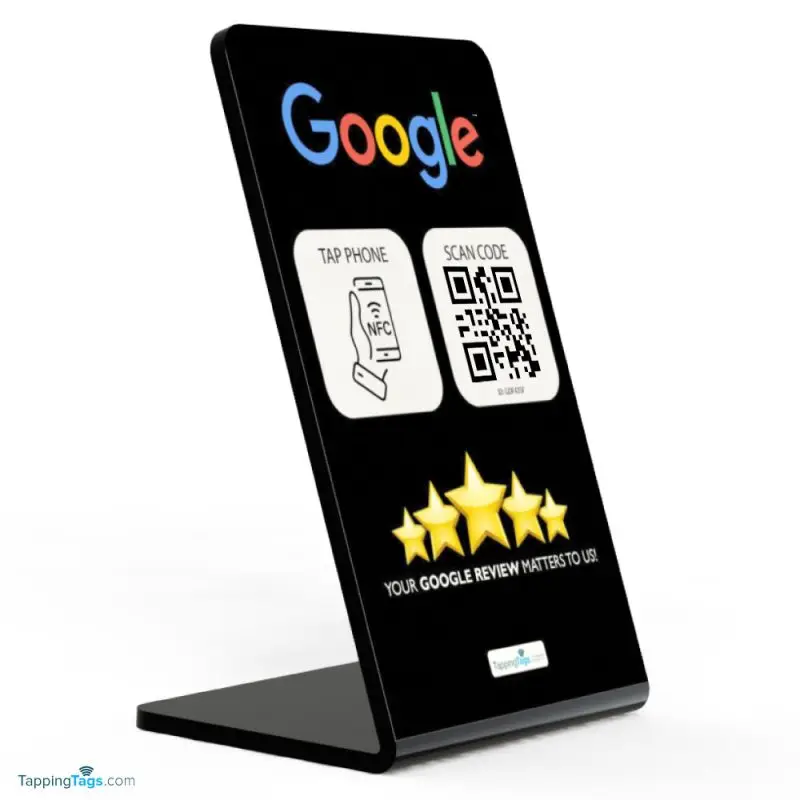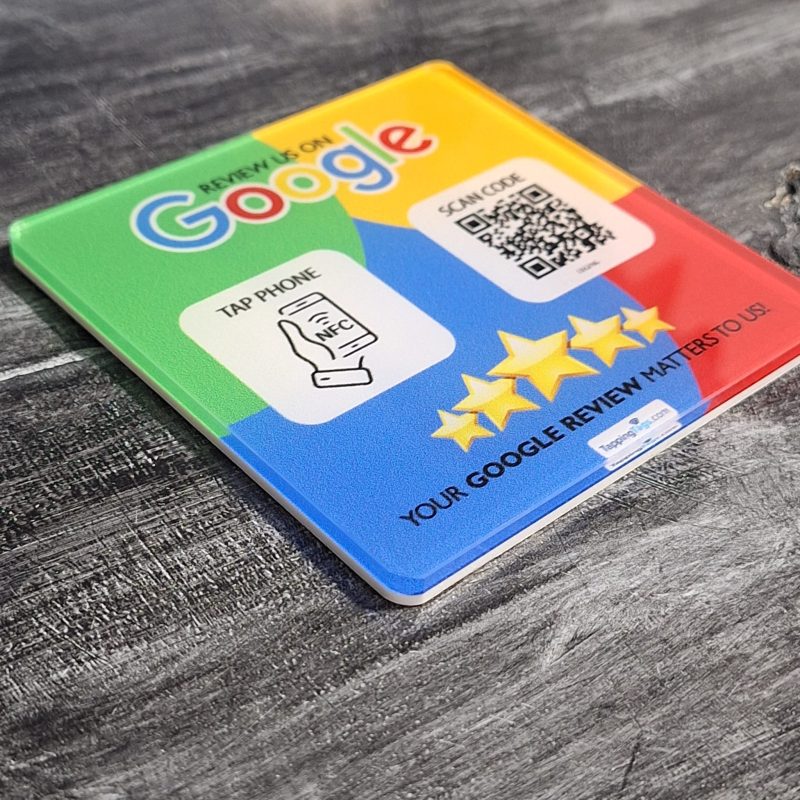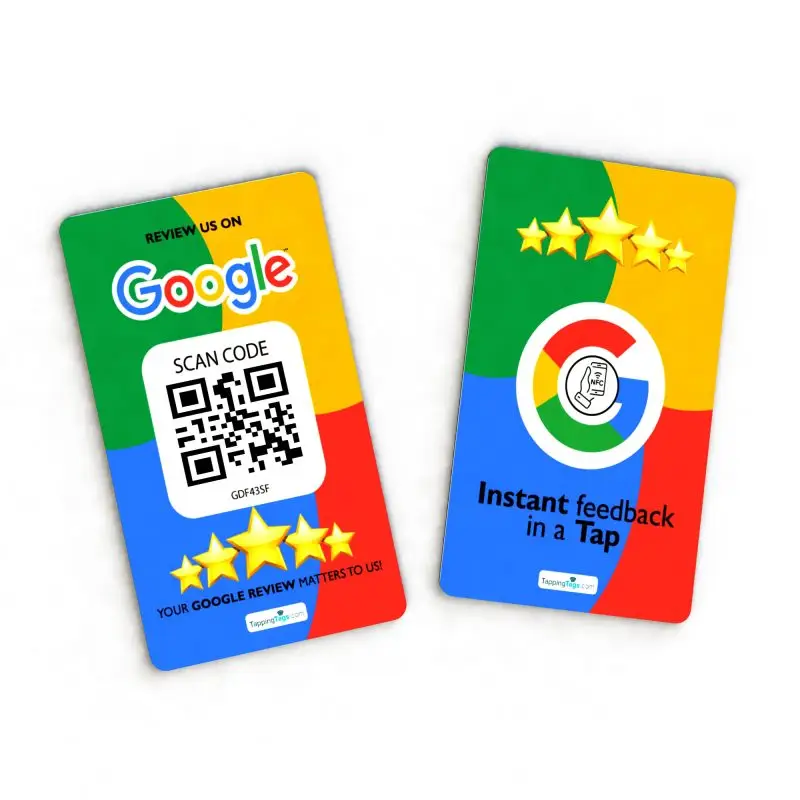
In today’s fast-paced digital landscape, businesses are constantly seeking innovative ways to enhance customer engagement and build lasting relationships. Enter NFC cards, a groundbreaking tool that is transforming how companies interact with their clientele. Tapping Tags, a pioneer in the realm of customer engagement technology, is at the forefront of this revolution with their cutting-edge Google Review NFC cards. These cards leverage Near Field Communication (NFC) technology to simplify and streamline the process of collecting valuable customer feedback. By merely tapping the card, customers can effortlessly leave reviews, providing businesses with crucial insights into their experiences. This seamless integration of technology not only boosts customer satisfaction but also fosters stronger connections between businesses and their patrons. As companies strive to improve customer loyalty and retention, NFC cards from Tapping Tags offer a powerful solution to revolutionize customer feedback and engagement.
Understanding NFC Technology: A Brief Overview
Near Field Communication (NFC) technology has become a cornerstone in modern digital interactions, particularly in enhancing customer relationships through NFC cards. This technology enables seamless communication between devices over short distances, typically a few centimeters. NFC operates on the principles of radio-frequency identification (RFID), allowing devices to exchange data wirelessly. Its applications are vast, ranging from contactless payments to smart marketing solutions. Understanding NFC technology is crucial for businesses aiming to leverage it for building stronger customer relationships.
NFC technology functions by establishing a wireless connection between an NFC-enabled device, such as a smartphone, and an NFC tag or card. This connection is initiated when the devices are brought close together, allowing them to exchange information. The simplicity and speed of this interaction make NFC an attractive option for businesses looking to enhance customer engagement. For instance, NFC cards can be used to provide customers with instant access to product information, special offers, or loyalty programs, thereby fostering a more personalized shopping experience.
One of the key advantages of NFC technology is its security. Unlike other wireless communication methods, NFC requires close proximity, which significantly reduces the risk of unauthorized access. This makes it an ideal choice for secure transactions, such as mobile payments. Moreover, NFC technology supports encryption and other security protocols, ensuring that sensitive information remains protected during transmission.
The adoption of NFC technology is growing rapidly across various industries. According to a report by MarketsandMarkets, the global NFC market is expected to reach USD 34.9 billion by 2025, growing at a CAGR of 14.2% from 2020 to 2025. This growth is driven by the increasing demand for contactless payment solutions and the rising adoption of NFC-enabled smartphones.
Businesses can harness the power of NFC technology to enhance customer relationships in several ways. For example, NFC cards can be used to streamline the check-in process at events, allowing attendees to quickly access information and services. Retailers can use NFC tags to provide customers with detailed product information, reviews, and personalized recommendations. This not only improves the shopping experience but also helps build customer loyalty.
Furthermore, NFC technology can be integrated into loyalty programs, enabling customers to easily collect and redeem points with a simple tap of their NFC card. This convenience can lead to increased customer satisfaction and retention. Additionally, NFC-enabled devices can be used to gather valuable data on customer preferences and behavior, allowing businesses to tailor their marketing strategies accordingly.
To implement NFC technology effectively, businesses should consider the following steps:
- Identify the specific needs and goals of your business and how NFC technology can address them.
- Choose the right type of NFC card or tag that aligns with your business objectives.
- Ensure that your NFC solution is compatible with the devices used by your target audience.
- Implement robust security measures to protect customer data and ensure compliance with relevant regulations.
- Continuously monitor and evaluate the performance of your NFC solution to identify areas for improvement.
In conclusion, NFC technology offers a wealth of opportunities for businesses to enhance customer relationships. By providing a seamless and secure way to interact with customers, NFC cards can help businesses deliver personalized experiences, improve customer satisfaction, and drive loyalty. As the adoption of NFC technology continues to grow, businesses that embrace this innovation will be well-positioned to thrive in the digital age.
For more information on how NFC technology can benefit your business, visit our home page. To learn more about our company and our commitment to innovation, check out our about page. If you have any questions or need assistance, feel free to contact us.
"NFC technology is not just a tool for transactions; it’s a gateway to creating meaningful connections with customers."
The Evolution of Customer Engagement Tools
In the rapidly evolving landscape of customer engagement, businesses have continually sought innovative tools to foster stronger relationships with their clients. From traditional methods like face-to-face interactions and phone calls to the digital revolution of emails and social media, the journey of customer engagement tools has been marked by significant technological advancements. One of the most recent and impactful developments in this arena is the advent of NFC (Near Field Communication) technology, particularly in the form of NFC cards. These cards have emerged as a powerful tool for building and enhancing customer relationships, offering a seamless and interactive experience that bridges the gap between physical and digital interactions.
The evolution of customer engagement tools can be traced back to the early days of commerce when personal relationships were the cornerstone of business success. As businesses grew and expanded, the need for more efficient ways to engage with customers became apparent. The introduction of the telephone and later, email, revolutionized how businesses communicated with their clients, allowing for faster and more direct interactions. However, these methods, while effective, lacked the personal touch that face-to-face interactions provided.
With the rise of the internet and social media, customer engagement took on a new dimension. Businesses could now reach a global audience with ease, and customers could interact with brands in real-time. Social media platforms became a vital tool for customer engagement, allowing businesses to build communities, gather feedback, and provide customer support. Despite these advancements, the challenge remained to create a truly seamless and integrated customer experience that combined the best of both physical and digital interactions.
Enter NFC technology, which has transformed the way businesses engage with their customers. NFC cards, in particular, have become a game-changer in building customer relationships. These cards enable businesses to provide a personalized and interactive experience that is both convenient and engaging. By simply tapping an NFC-enabled device, customers can access a wealth of information, offers, and services tailored to their preferences and needs. This level of personalization and convenience is unmatched by traditional engagement tools.
NFC cards offer several advantages that make them an ideal tool for customer engagement. Firstly, they provide a contactless and secure way for customers to interact with businesses. In a world where hygiene and safety are paramount, the ability to engage without physical contact is a significant benefit. Secondly, NFC cards can store and transmit a wide range of data, from simple URLs to complex customer profiles, enabling businesses to deliver highly targeted and relevant content to their customers.
Moreover, NFC cards are incredibly versatile and can be used in various settings, from retail stores and restaurants to events and exhibitions. They can serve as loyalty cards, membership cards, or even digital business cards, providing businesses with endless possibilities to engage with their customers. By integrating NFC technology into their customer engagement strategy, businesses can create a seamless and cohesive experience that enhances customer satisfaction and loyalty.
The integration of NFC cards into customer engagement strategies also aligns with the growing trend of mobile-first interactions. As more consumers rely on their smartphones for everyday tasks, NFC technology provides a natural and intuitive way for businesses to connect with their customers. By leveraging the capabilities of NFC-enabled devices, businesses can offer a mobile-friendly experience that meets the expectations of today’s tech-savvy consumers.
In conclusion, the evolution of customer engagement tools has been driven by the need to create more meaningful and personalized interactions between businesses and their customers. NFC cards represent the latest advancement in this journey, offering a powerful and versatile tool for building and enhancing customer relationships. By embracing NFC technology, businesses can provide a seamless and interactive experience that bridges the gap between physical and digital interactions, ultimately leading to increased customer satisfaction and loyalty. For more information on how NFC cards can transform your customer engagement strategy, visit our home page or learn more about our innovative solutions. If you have any questions or need assistance, feel free to contact us.
How NFC Cards Enhance Customer Experience
Near Field Communication (NFC) cards are revolutionizing the way businesses interact with their customers, offering a seamless and enhanced customer experience. These cards, embedded with NFC technology, allow for quick and easy communication between devices, providing a multitude of benefits that can significantly improve customer satisfaction and loyalty. One of the primary ways NFC cards enhance the customer experience is through their ability to facilitate fast and secure transactions. Customers can simply tap their NFC-enabled card on a compatible reader to make payments, eliminating the need for cash or physical contact. This not only speeds up the checkout process but also enhances security, as NFC transactions are encrypted and require close proximity to complete, reducing the risk of fraud.
Moreover, NFC cards can be used to deliver personalized experiences. Businesses can program these cards to store customer preferences, purchase history, and loyalty points, allowing for tailored promotions and offers. For instance, when a customer taps their card at a store, the system can instantly recognize them and offer discounts or recommendations based on their previous purchases. This level of personalization makes customers feel valued and understood, fostering a stronger connection between them and the brand.
NFC cards also support the integration of digital content, which can be a powerful tool for engaging customers. By tapping their card on an NFC-enabled device, customers can access exclusive content such as product information, tutorials, or promotional videos. This interactive element not only enriches the shopping experience but also provides customers with valuable information that can influence their purchasing decisions. Additionally, NFC cards can be used to streamline loyalty programs. Customers no longer need to carry multiple physical cards or remember login details for various apps. Instead, their NFC card can serve as a single access point for all their loyalty accounts, making it easier for them to earn and redeem rewards. This convenience encourages repeat business and strengthens customer loyalty.
Furthermore, NFC cards can enhance customer experience by improving communication between businesses and their customers. For example, businesses can use NFC cards to gather feedback by directing customers to surveys or review platforms with a simple tap. This real-time feedback mechanism allows businesses to quickly address any issues and continuously improve their services. NFC technology also supports contactless access control, which can be particularly beneficial in environments such as hotels or events. Guests can use their NFC card to access their rooms or event areas without the need for traditional keys or tickets, providing a smoother and more convenient experience.
Incorporating NFC cards into a business strategy can also lead to increased brand engagement. By offering a modern and innovative way to interact with the brand, businesses can differentiate themselves from competitors and attract tech-savvy customers. The novelty and convenience of NFC technology can create a positive impression, encouraging customers to share their experiences with others and potentially expanding the customer base through word-of-mouth.
For businesses looking to implement NFC cards, it is essential to ensure that the technology is user-friendly and accessible. Providing clear instructions and support can help customers feel comfortable using NFC cards, maximizing their benefits. Additionally, businesses should consider the design and branding of their NFC cards, as these elements can further enhance the customer experience by reflecting the brand’s identity and values.
In conclusion, NFC cards offer a multitude of ways to enhance the customer experience, from facilitating fast and secure transactions to providing personalized and interactive content. By integrating NFC technology into their operations, businesses can improve customer satisfaction, foster loyalty, and ultimately build stronger customer relationships. To learn more about how NFC cards can benefit your business, visit our home page or about section. For inquiries, feel free to contact us.
NFC Cards vs. Traditional Loyalty Programs
In the evolving landscape of customer engagement, businesses are constantly seeking innovative ways to enhance their loyalty programs. Traditional loyalty programs, often reliant on physical cards or simple point systems, have been a staple for decades. However, with the advent of technology, particularly NFC (Near Field Communication) cards, a new era of customer relationship building is emerging. NFC cards offer a modern, efficient, and interactive approach to loyalty programs, providing numerous advantages over traditional methods.
Traditional loyalty programs typically involve customers carrying physical cards that they present at the point of sale to earn points or rewards. While this system has been effective to some extent, it comes with several limitations. Customers often forget to carry their cards, leading to missed opportunities for earning rewards. Additionally, the process of manually updating points can be cumbersome for both customers and businesses. In contrast, NFC cards streamline this process by allowing customers to simply tap their card on an NFC-enabled device to instantly update their loyalty points. This seamless interaction not only enhances the customer experience but also reduces the administrative burden on businesses.
Moreover, NFC cards offer a level of personalization that traditional loyalty programs struggle to achieve. With NFC technology, businesses can gather valuable data about customer preferences and behaviors. This data can then be used to tailor promotions and offers to individual customers, creating a more personalized shopping experience. For instance, a customer who frequently purchases a particular product can receive targeted discounts or recommendations based on their purchase history. This level of personalization fosters a deeper connection between the customer and the brand, enhancing customer loyalty and retention.
Another significant advantage of NFC cards is their ability to integrate with mobile devices. Many NFC cards can be linked to a customer’s smartphone, allowing them to manage their loyalty points and rewards through a mobile app. This integration not only provides convenience but also opens up new avenues for engagement. Businesses can send push notifications about exclusive offers or events directly to the customer’s phone, keeping the brand top-of-mind. Additionally, the use of mobile apps allows for the incorporation of gamification elements, such as challenges or achievements, which can further incentivize customer participation in the loyalty program.
In terms of security, NFC cards offer enhanced protection compared to traditional loyalty cards. NFC technology employs encryption and secure communication protocols to protect customer data during transactions. This reduces the risk of fraud and unauthorized access, providing peace of mind to both customers and businesses. Furthermore, in the event of a lost or stolen card, NFC cards can be easily deactivated and replaced, minimizing potential losses.
From an environmental perspective, NFC cards also present a more sustainable option. Traditional loyalty programs often rely on plastic cards, which contribute to environmental waste. NFC cards, on the other hand, can be made from eco-friendly materials and are often designed to be durable and reusable. This aligns with the growing consumer demand for sustainable business practices and can enhance a brand’s reputation as environmentally conscious.
For businesses looking to implement NFC cards, the transition from traditional loyalty programs can be straightforward. Many companies offer solutions that integrate seamlessly with existing point-of-sale systems, minimizing disruption to operations. Additionally, the initial investment in NFC technology can be offset by the long-term benefits of increased customer engagement and loyalty. Businesses can explore various options and find the right solution by visiting resources such as Tapping Tags.
In conclusion, while traditional loyalty programs have served businesses well in the past, NFC cards represent the future of customer relationship building. Their ability to provide a seamless, personalized, and secure experience makes them an attractive option for businesses looking to enhance their loyalty programs. By embracing NFC technology, businesses can not only improve customer satisfaction but also gain a competitive edge in the marketplace. For more information on how NFC cards can transform your business, consider reaching out to experts in the field through platforms like Tapping Tags.
Personalization Through NFC: A New Era of Marketing
In today’s fast-paced digital world, businesses are constantly seeking innovative ways to build and maintain strong customer relationships. Near Field Communication (NFC) technology has emerged as a powerful tool in this endeavor, offering a new era of marketing through personalization. NFC cards, in particular, are revolutionizing how companies connect with their customers by providing a seamless and interactive experience. This technology allows businesses to deliver personalized content and offers directly to their customers’ smartphones, enhancing engagement and fostering loyalty.
NFC technology enables devices to communicate wirelessly when they are in close proximity, typically within a few centimeters. This capability is being harnessed by marketers to create personalized experiences that resonate with individual customers. By embedding NFC chips in cards or other promotional materials, businesses can provide a unique and interactive experience that captures the attention of their audience. When a customer taps their NFC-enabled smartphone on an NFC card, they can instantly access tailored content such as exclusive offers, product information, or personalized greetings. This level of personalization not only enhances the customer experience but also increases the likelihood of conversion and repeat business.
One of the key advantages of using NFC cards for personalization is the ability to gather valuable data about customer preferences and behaviors. When customers interact with NFC-enabled materials, businesses can collect insights into their interests and purchasing habits. This data can then be used to refine marketing strategies and create more targeted campaigns. For instance, if a customer frequently engages with NFC content related to a specific product category, businesses can tailor future promotions to align with that interest. This data-driven approach ensures that marketing efforts are relevant and impactful, ultimately leading to stronger customer relationships.
Moreover, NFC technology offers a level of convenience that is unmatched by traditional marketing methods. Customers no longer need to remember to bring physical coupons or search for promotional codes. Instead, they can simply tap their smartphone on an NFC card to instantly redeem offers or access information. This seamless interaction not only enhances the customer experience but also increases the likelihood of engagement. By removing barriers to interaction, businesses can create a frictionless journey that encourages customers to explore and engage with their brand.
The versatility of NFC cards also makes them an ideal tool for a wide range of marketing applications. From retail environments to events and exhibitions, NFC cards can be used to deliver personalized experiences in various settings. For example, in a retail store, customers can tap an NFC card to receive personalized product recommendations or access exclusive discounts. At events, attendees can use NFC cards to check in, access event schedules, or participate in interactive activities. This adaptability allows businesses to create unique and memorable experiences that resonate with their audience.
Furthermore, NFC technology supports sustainability efforts by reducing the need for paper-based marketing materials. By delivering digital content through NFC cards, businesses can minimize their environmental impact while still providing a rich and engaging experience. This aligns with the growing consumer demand for eco-friendly practices and can enhance a brand’s reputation as a socially responsible entity.
As businesses continue to explore the potential of NFC technology, it is essential to partner with experts who can provide guidance and support. Companies like Tapping Tags offer a range of NFC solutions that can be tailored to meet specific marketing objectives. By leveraging the expertise of such providers, businesses can ensure that their NFC initiatives are successful and deliver the desired results. For more information on how NFC cards can transform your marketing strategy, visit the home page of Tapping Tags. To learn more about the company’s mission and services, check out their about page. If you have any questions or need assistance, feel free to contact us.
In conclusion, NFC cards represent a new era of marketing that prioritizes personalization and customer engagement. By leveraging the capabilities of NFC technology, businesses can create meaningful connections with their customers and build lasting relationships. The ability to deliver personalized content and gather valuable insights makes NFC cards a powerful tool for any marketing strategy. As the digital landscape continues to evolve, embracing NFC technology will be crucial for businesses looking to stay ahead of the competition and meet the ever-changing needs of their customers.
Case Studies: Successful NFC Card Implementations
In recent years, Near Field Communication (NFC) technology has revolutionized the way businesses interact with their customers. NFC cards, in particular, have emerged as a powerful tool for building and enhancing customer relationships. By enabling seamless and contactless interactions, NFC cards offer businesses a unique opportunity to engage with their audience in innovative ways. This has led to numerous successful implementations across various industries, showcasing the potential of NFC cards to transform customer engagement strategies.
One notable example of successful NFC card implementation is in the retail sector. A leading retail chain integrated NFC cards into their loyalty program, allowing customers to simply tap their cards at checkout to earn points and receive personalized offers. This not only streamlined the checkout process but also provided the retailer with valuable data on customer preferences and shopping habits. By analyzing this data, the retailer was able to tailor their marketing efforts and offer more relevant promotions, significantly enhancing customer satisfaction and loyalty. The convenience and personalization offered by NFC cards helped the retailer strengthen their relationship with customers, leading to increased sales and customer retention.
Another compelling case study comes from the hospitality industry, where a luxury hotel chain adopted NFC cards to enhance the guest experience. Upon check-in, guests received NFC-enabled room keys that not only provided access to their rooms but also offered a range of personalized services. Guests could use their NFC cards to make reservations at the hotel restaurant, book spa treatments, and access exclusive offers during their stay. This seamless integration of services through NFC technology not only improved operational efficiency but also elevated the guest experience, resulting in higher guest satisfaction and repeat visits. The hotel chain’s innovative use of NFC cards demonstrated their commitment to providing exceptional service and building lasting relationships with their guests.
In the transportation sector, a public transit authority implemented NFC cards to simplify fare collection and improve the overall commuter experience. By replacing traditional paper tickets with NFC cards, commuters could easily tap their cards at entry and exit points, reducing wait times and congestion. This not only improved the efficiency of the transit system but also provided the authority with valuable insights into commuter patterns and preferences. By leveraging this data, the transit authority was able to optimize routes and schedules, ultimately enhancing the service for commuters. The successful implementation of NFC cards in public transportation highlighted the potential of this technology to improve operational efficiency and customer satisfaction in a high-demand environment.
Educational institutions have also embraced NFC cards to enhance campus life and student engagement. A prominent university introduced NFC-enabled student ID cards that served multiple functions, including access to campus facilities, library checkouts, and cashless payments at campus dining halls. This integration of services into a single card simplified the student experience and fostered a sense of community on campus. Additionally, the university was able to gather data on student activities and preferences, enabling them to tailor campus services and events to better meet student needs. The implementation of NFC cards in the educational setting demonstrated the technology’s versatility and its ability to enhance the student experience while building stronger connections between the institution and its students.
These case studies illustrate the diverse applications and benefits of NFC cards in building customer relationships across different industries. By offering convenience, personalization, and valuable insights, NFC cards empower businesses to engage with their customers in meaningful ways. As more organizations recognize the potential of NFC technology, we can expect to see even more innovative implementations that further enhance customer experiences and foster lasting relationships. For businesses looking to explore the possibilities of NFC cards, resources such as Tapping Tags provide valuable insights and solutions to help them harness the power of this technology. To learn more about how NFC cards can transform your customer engagement strategy, visit our about page or contact us for personalized assistance.
Integrating NFC Cards with Mobile Apps
In today’s fast-paced digital world, businesses are constantly seeking innovative ways to enhance customer engagement and build lasting relationships. Near Field Communication (NFC) technology has emerged as a powerful tool in this endeavor, offering seamless and interactive experiences for users. By integrating NFC cards with mobile apps, companies can unlock a new dimension of customer interaction, providing convenience and personalized services that foster loyalty and satisfaction. NFC cards, when paired with mobile apps, enable businesses to offer a range of functionalities that enhance the customer experience. For instance, customers can simply tap their NFC-enabled cards on their smartphones to access exclusive content, redeem rewards, or make secure payments. This integration not only streamlines processes but also adds a layer of personalization that resonates with tech-savvy consumers. The convenience of using NFC cards with mobile apps lies in their ability to provide instant access to information and services. Whether it’s checking the balance of a loyalty card, receiving tailored promotions, or accessing event details, NFC technology ensures that customers have everything they need at their fingertips. This immediacy and ease of use can significantly enhance customer satisfaction and encourage repeat interactions. Moreover, integrating NFC cards with mobile apps allows businesses to gather valuable data on customer preferences and behaviors. By analyzing this data, companies can tailor their offerings to meet the specific needs of their audience, thereby strengthening customer relationships. Personalized marketing campaigns, targeted promotions, and customized recommendations become possible, creating a more engaging and relevant experience for users. Security is another critical aspect where NFC technology excels. The integration of NFC cards with mobile apps ensures secure transactions and data exchanges, providing peace of mind to customers. This trust in the security of their information fosters a positive relationship between the business and its customers, encouraging them to engage more frequently and share their experiences with others. Furthermore, the versatility of NFC technology allows businesses to explore creative ways to engage with their audience. From interactive product demonstrations to virtual tours and gamified experiences, the possibilities are endless. By leveraging NFC cards in conjunction with mobile apps, companies can create memorable and immersive experiences that leave a lasting impression on their customers. For businesses looking to implement NFC technology, partnering with experts in the field can be invaluable. Companies like Tapping Tags offer comprehensive solutions for integrating NFC cards with mobile apps, ensuring a seamless and effective implementation. By visiting their about page, businesses can learn more about the benefits of NFC technology and how it can be tailored to their specific needs. Additionally, exploring their shop provides insights into the range of NFC products available, helping businesses choose the right tools for their customer engagement strategies. In conclusion, integrating NFC cards with mobile apps presents a unique opportunity for businesses to enhance customer relationships through convenience, personalization, and security. By embracing this technology, companies can create engaging and interactive experiences that resonate with their audience, fostering loyalty and satisfaction. As the digital landscape continues to evolve, NFC technology stands out as a valuable asset in building strong and lasting customer connections. For more information on how to implement NFC solutions, businesses can reach out through the contact us page to explore tailored solutions that meet their specific needs.
Security and Privacy Concerns with NFC Cards
Near Field Communication (NFC) technology has revolutionized the way businesses interact with their customers, offering seamless and efficient transactions that enhance customer relationships. However, as with any technology, NFC cards come with their own set of security and privacy concerns that businesses must address to maintain trust and ensure the protection of sensitive information. Understanding these concerns is crucial for businesses looking to implement NFC technology effectively.
One of the primary security concerns with NFC cards is the potential for unauthorized access to data. Since NFC technology operates over short distances, typically a few centimeters, it is susceptible to eavesdropping. Malicious actors can intercept the communication between the NFC card and the reader if they are within range, potentially gaining access to sensitive information such as payment details or personal identification. To mitigate this risk, businesses should implement encryption protocols that secure the data transmitted between the NFC card and the reader. Encryption ensures that even if the data is intercepted, it cannot be easily deciphered by unauthorized parties.
Another significant concern is the risk of data modification. Attackers could potentially alter the data being transmitted between the NFC card and the reader, leading to fraudulent transactions or unauthorized access to services. Implementing strong authentication measures, such as requiring a PIN or biometric verification, can help prevent unauthorized modifications. Additionally, businesses should regularly update their NFC systems to patch any vulnerabilities that could be exploited by attackers.
NFC cards are also vulnerable to relay attacks, where an attacker uses two devices to extend the communication range between the NFC card and the reader. This type of attack can trick the system into thinking the card is present when it is not, allowing unauthorized transactions to occur. To combat relay attacks, businesses can implement time-based authentication, which ensures that the transaction is only valid for a short period, reducing the window of opportunity for attackers.
Privacy concerns are also paramount when it comes to NFC cards. Customers are increasingly aware of how their data is collected and used, and they expect businesses to handle their information responsibly. NFC cards often store personal data, which, if not properly protected, can lead to privacy breaches. Businesses must ensure that they comply with data protection regulations, such as the General Data Protection Regulation (GDPR), which mandates strict guidelines on how personal data should be handled. Providing customers with clear information about how their data will be used and obtaining their consent before collecting it can help build trust and strengthen customer relationships.
Moreover, businesses should consider implementing anonymization techniques to protect customer data. By anonymizing data, businesses can reduce the risk of privacy breaches while still gaining valuable insights into customer behavior. This approach allows businesses to maintain a balance between leveraging data for customer relationship management and respecting customer privacy.
In addition to technical measures, businesses should also focus on educating their customers about the security and privacy features of NFC cards. Providing customers with information on how to use NFC cards safely and what to do in case of a security breach can empower them to take an active role in protecting their information. This educational approach not only enhances security but also fosters a sense of partnership between the business and its customers.
Furthermore, businesses should establish clear communication channels for customers to report any security or privacy concerns. Having a dedicated support team that can address customer inquiries and resolve issues promptly is essential for maintaining trust. Encouraging customers to reach out through the contact us page can ensure that their concerns are heard and addressed in a timely manner.
In conclusion, while NFC cards offer numerous benefits for building customer relationships, businesses must be proactive in addressing the associated security and privacy concerns. By implementing robust security measures, complying with data protection regulations, and fostering open communication with customers, businesses can leverage NFC technology to enhance customer experiences while safeguarding sensitive information. For more information on how NFC technology can benefit your business, visit our about page or explore our range of NFC products in our shop.
Designing an Effective NFC Card Strategy
In today’s digital age, businesses are constantly seeking innovative ways to enhance customer engagement and build lasting relationships. Near Field Communication (NFC) technology has emerged as a powerful tool in this endeavor, offering a seamless and interactive experience for customers. Designing an effective NFC card strategy is crucial for businesses aiming to leverage this technology to its fullest potential. The first step in crafting a successful NFC card strategy is understanding the needs and preferences of your target audience. Conducting thorough market research will provide insights into customer behavior, helping you tailor your NFC offerings to meet their expectations. For instance, if your target audience is tech-savvy millennials, they may appreciate features such as instant access to exclusive content or personalized offers. On the other hand, if your audience includes less tech-oriented individuals, simplicity and ease of use should be prioritized. Once you have a clear understanding of your audience, the next step is to define the objectives of your NFC card strategy. Are you looking to increase brand loyalty, drive sales, or enhance customer experience? Clearly defined goals will guide the design and implementation of your NFC cards, ensuring they align with your overall business objectives. For example, if your goal is to boost customer loyalty, consider incorporating a rewards program that customers can easily access through their NFC cards. The design of the NFC card itself is another critical aspect of the strategy. The card should be visually appealing and reflect your brand identity. Consider using high-quality materials and printing techniques to create a card that stands out. Additionally, the card should be durable and capable of withstanding regular use. The NFC chip embedded in the card should be of high quality to ensure reliable performance. Functionality is key when designing an NFC card. The card should offer a range of features that enhance the customer experience. This could include providing instant access to product information, enabling contactless payments, or offering personalized recommendations. The possibilities are endless, and the features you choose should align with your business goals and customer needs. It is also important to ensure that the NFC card is compatible with a wide range of devices to maximize its usability. Security is a paramount concern when implementing NFC technology. Customers need to trust that their data is safe when using your NFC cards. Implement robust security measures to protect customer information and ensure compliance with relevant data protection regulations. This will not only safeguard your customers but also enhance your brand’s reputation. To effectively promote your NFC card strategy, consider integrating it with your existing marketing efforts. This could involve creating awareness through social media campaigns, email newsletters, or in-store promotions. Highlight the benefits of using the NFC card and provide clear instructions on how customers can use it. Offering incentives, such as discounts or exclusive offers, can also encourage customers to adopt the technology. Monitoring and evaluating the performance of your NFC card strategy is essential for continuous improvement. Use analytics tools to track customer interactions and gather feedback to identify areas for enhancement. Regularly updating the features and offerings of your NFC cards will keep customers engaged and ensure your strategy remains relevant in a rapidly evolving digital landscape. In conclusion, designing an effective NFC card strategy requires a deep understanding of your audience, clear objectives, and a focus on functionality and security. By integrating NFC technology into your customer engagement efforts, you can create a seamless and interactive experience that strengthens customer relationships and drives business success. For more information on how to implement NFC technology in your business, visit our home page or learn more about our services. If you have any questions or need assistance, feel free to contact us.
Measuring the Impact of NFC Cards on Customer Loyalty
Near Field Communication (NFC) technology has revolutionized the way businesses interact with their customers, offering a seamless and efficient way to enhance customer loyalty. NFC cards, in particular, have emerged as a powerful tool for businesses aiming to build stronger customer relationships. These cards enable quick and easy transactions, personalized interactions, and a host of other benefits that contribute to increased customer satisfaction and loyalty. By examining the impact of NFC cards on customer loyalty, businesses can better understand how to leverage this technology to foster long-term relationships with their clientele.
One of the primary ways NFC cards enhance customer loyalty is through the convenience they offer. Customers appreciate the ability to make swift transactions without the need for cash or physical contact, which is particularly appealing in today’s fast-paced world. This convenience extends beyond transactions; NFC cards can also store loyalty points, membership details, and personalized offers, making it easier for customers to engage with a brand. By simplifying the customer experience, businesses can increase the likelihood of repeat visits and purchases, thereby boosting customer loyalty.
Moreover, NFC cards enable businesses to gather valuable data about customer preferences and behaviors. This data can be used to tailor marketing strategies and personalize customer interactions, creating a more engaging and relevant experience for each individual. For instance, businesses can send targeted promotions or offers based on a customer’s purchase history, enhancing the perceived value of the relationship. This level of personalization is a key driver of customer loyalty, as it makes customers feel valued and understood.
In addition to personalization, NFC cards can also enhance customer loyalty through improved communication. With NFC technology, businesses can easily update customers on new products, services, or promotions by simply tapping their card. This direct line of communication ensures that customers are always informed and engaged with the brand, fostering a sense of connection and loyalty. Furthermore, NFC cards can facilitate feedback collection, allowing businesses to quickly gather customer insights and address any concerns or suggestions. This proactive approach to communication demonstrates a commitment to customer satisfaction, which is crucial for building long-term loyalty.
Another significant impact of NFC cards on customer loyalty is their ability to integrate with mobile devices. Many NFC cards can be linked to mobile apps, providing customers with a seamless and integrated experience. This integration allows customers to manage their loyalty points, receive notifications, and access exclusive offers directly from their smartphones. By offering a cohesive and convenient digital experience, businesses can strengthen their relationship with customers and encourage continued engagement.
Security is another important factor that contributes to the impact of NFC cards on customer loyalty. NFC technology offers enhanced security features, such as encryption and tokenization, which protect customer data during transactions. This level of security is crucial for building trust with customers, as it reassures them that their information is safe and secure. When customers trust a brand with their personal information, they are more likely to remain loyal and continue doing business with that brand.
Furthermore, NFC cards can play a role in enhancing the overall brand experience. By incorporating NFC technology into their loyalty programs, businesses can create unique and memorable experiences that set them apart from competitors. For example, NFC cards can be used to unlock exclusive content, access VIP events, or participate in interactive experiences. These unique offerings not only enhance customer satisfaction but also create a sense of exclusivity and belonging, which are powerful motivators for customer loyalty.
In conclusion, NFC cards have a profound impact on customer loyalty by offering convenience, personalization, improved communication, integration with mobile devices, enhanced security, and unique brand experiences. By leveraging these benefits, businesses can build stronger relationships with their customers and foster long-term loyalty. As the use of NFC technology continues to grow, businesses that embrace this innovation will be well-positioned to thrive in an increasingly competitive marketplace. To learn more about how NFC cards can benefit your business, visit our home page or about section for more information. If you have any questions or would like to discuss how NFC technology can be integrated into your customer loyalty strategy, please feel free to contact us.
Overcoming Challenges in NFC Card Adoption
The adoption of NFC cards for building customer relationships presents a unique set of challenges that businesses must navigate to fully leverage their potential. One of the primary hurdles is the initial cost of implementation. Businesses need to invest in NFC-enabled devices and infrastructure, which can be a significant financial commitment, especially for small to medium-sized enterprises. However, the long-term benefits of enhanced customer engagement and streamlined operations often outweigh these initial expenses. Another challenge is the need for consumer education. Many customers may not be familiar with NFC technology or its benefits, which can lead to hesitancy in adoption. Businesses must invest in educating their customers about how NFC cards work and the advantages they offer, such as faster transactions and personalized experiences. Privacy and security concerns also play a crucial role in the adoption process. Customers need assurance that their data is protected when using NFC cards. Implementing robust security measures and clearly communicating these to customers can help alleviate such concerns. Additionally, businesses must ensure compatibility with various devices and platforms to provide a seamless experience for all users. This requires ongoing updates and maintenance of the NFC systems. Despite these challenges, the potential for NFC cards to enhance customer relationships is significant. By addressing these obstacles, businesses can create a more engaging and efficient customer experience. For more information on how NFC technology can benefit your business, visit our home page or learn more about our solutions. If you have any questions or need assistance, feel free to contact us.
Future Trends in NFC Technology for Businesses
As businesses continue to seek innovative ways to enhance customer relationships, Near Field Communication (NFC) technology is emerging as a powerful tool. NFC cards, in particular, are revolutionizing how businesses interact with their customers, offering seamless and personalized experiences. Looking ahead, several trends in NFC technology are poised to further transform the landscape for businesses, making it essential to understand these developments to stay competitive.
One of the most significant trends is the integration of NFC with the Internet of Things (IoT). As more devices become interconnected, NFC technology will play a crucial role in facilitating communication between these devices. This integration will enable businesses to gather valuable data on customer preferences and behaviors, allowing for more personalized marketing strategies. For instance, NFC-enabled devices can track customer interactions in real-time, providing insights that can be used to tailor promotions and offers to individual preferences. This level of personalization can significantly enhance customer satisfaction and loyalty.
Another trend to watch is the increasing adoption of NFC for mobile payments. With the rise of digital wallets and contactless payment systems, NFC technology is becoming a standard feature in smartphones and other mobile devices. This trend is particularly relevant for businesses looking to streamline their payment processes and offer customers a convenient and secure way to make transactions. By adopting NFC-enabled payment systems, businesses can reduce transaction times and improve the overall customer experience, leading to increased sales and customer retention.
Moreover, NFC technology is set to play a pivotal role in enhancing customer engagement through interactive marketing. Businesses can use NFC cards to deliver dynamic content, such as videos, product information, and special offers, directly to customers’ smartphones. This capability allows for more engaging and interactive marketing campaigns that can capture customers’ attention and drive brand loyalty. As NFC technology continues to evolve, businesses will have more opportunities to create immersive experiences that resonate with their target audience.
Security is another area where NFC technology is making strides. As concerns about data privacy and security continue to grow, businesses are looking for ways to protect customer information. NFC technology offers robust security features, such as encryption and secure element storage, which can help businesses safeguard sensitive data. This trend is particularly important for businesses that handle large volumes of customer information, as it can help build trust and confidence among customers.
Furthermore, the versatility of NFC technology is expanding its applications beyond traditional uses. Businesses are exploring new ways to leverage NFC cards for innovative solutions, such as access control, loyalty programs, and event management. For example, NFC cards can be used as digital keys for secure access to facilities or as part of a loyalty program that rewards customers for their interactions with the brand. These applications not only enhance customer convenience but also provide businesses with valuable data that can be used to improve their offerings.
As these trends continue to unfold, businesses must stay informed and adapt to the changing landscape of NFC technology. By embracing these advancements, businesses can enhance their customer relationships and gain a competitive edge in the market. For more information on how NFC technology can benefit your business, visit our about page or contact us for personalized assistance. Additionally, explore our shop to discover a range of NFC-enabled products that can help you stay ahead of the curve.
Cost-Benefit Analysis of Implementing NFC Cards
Implementing NFC cards as a strategy for building customer relationships involves a thorough cost-benefit analysis to ensure that the investment aligns with business goals and delivers tangible returns. Near Field Communication (NFC) technology offers a seamless and efficient way for businesses to engage with their customers, providing a modern touchpoint that enhances the customer experience. The initial costs of implementing NFC cards include purchasing the cards themselves, which can vary based on the quantity and customization options. Additionally, businesses must consider the cost of integrating NFC technology into their existing systems, which may require software updates or new hardware. Training staff to effectively use and promote NFC cards is another potential expense. However, the benefits of NFC cards can significantly outweigh these costs. NFC cards facilitate quick and contactless transactions, which can improve customer satisfaction and reduce wait times. This efficiency can lead to increased customer loyalty and repeat business. Moreover, NFC cards can be used to gather valuable data on customer preferences and behaviors, allowing businesses to tailor their marketing strategies and improve their offerings. This data-driven approach can enhance customer engagement and foster stronger relationships. Furthermore, NFC cards can serve as a powerful marketing tool, offering personalized promotions and rewards that encourage customer retention. By providing a convenient and innovative way to interact with customers, businesses can differentiate themselves from competitors. The long-term benefits of increased customer loyalty and improved operational efficiency can lead to a substantial return on investment. For businesses considering this technology, it is crucial to evaluate both the short-term costs and the long-term benefits. By doing so, they can make informed decisions that align with their strategic objectives. To learn more about how NFC cards can transform customer interactions, visit our home page or explore our about section for detailed insights. For any inquiries or further information, feel free to contact us.
Tips for Small Businesses to Leverage NFC Cards
Near Field Communication (NFC) technology has become a game-changer for small businesses looking to enhance customer relationships. By leveraging NFC cards, businesses can offer a seamless and interactive experience that fosters customer loyalty and engagement. Here are some practical tips for small businesses to effectively utilize NFC cards in building stronger customer relationships.
Firstly, small businesses should focus on creating a personalized experience for their customers. NFC cards can be programmed to provide customized content or offers when tapped by a customer. For instance, a retail store can use NFC cards to offer personalized discounts or promotions based on a customer’s purchase history. This not only makes the customer feel valued but also encourages repeat business. By integrating NFC technology with a customer relationship management (CRM) system, businesses can gather valuable data about customer preferences and tailor their offerings accordingly.
Another effective strategy is to use NFC cards to streamline the payment process. By enabling contactless payments, businesses can reduce transaction times and improve the overall customer experience. This is particularly beneficial in high-traffic environments where speed and efficiency are crucial. Customers appreciate the convenience of tapping their NFC-enabled cards or smartphones to make quick and secure payments, which can lead to increased customer satisfaction and loyalty.
Small businesses can also use NFC cards to enhance their loyalty programs. Traditional loyalty programs often require customers to carry physical cards or remember account numbers, which can be cumbersome. With NFC technology, businesses can offer a digital loyalty program that is easy to use and manage. Customers can simply tap their NFC cards to earn points or redeem rewards, making the process more engaging and convenient. This not only simplifies the customer experience but also encourages more frequent interactions with the business.
Moreover, NFC cards can be used to provide customers with instant access to information. For example, a restaurant can use NFC cards to allow customers to view the menu, place orders, or access nutritional information with a simple tap. This can enhance the dining experience by providing customers with the information they need at their fingertips. Similarly, a retail store can use NFC cards to provide product details, reviews, or usage instructions, helping customers make informed purchasing decisions.
To maximize the benefits of NFC cards, small businesses should ensure that their staff is well-trained in using the technology. Employees should be able to assist customers in using NFC cards and troubleshoot any issues that may arise. Providing excellent customer service is key to building strong relationships, and knowledgeable staff can enhance the customer experience by ensuring that interactions with NFC technology are smooth and hassle-free.
Additionally, businesses should consider integrating NFC technology with their existing marketing strategies. For example, NFC cards can be used to deliver targeted marketing messages or promotions directly to customers’ smartphones. By tapping their NFC cards, customers can receive notifications about upcoming sales, new product launches, or special events. This not only keeps customers informed but also encourages them to engage with the business more frequently.
Finally, small businesses should regularly evaluate the effectiveness of their NFC card initiatives. By analyzing customer feedback and usage data, businesses can identify areas for improvement and make necessary adjustments to their strategies. This continuous improvement process ensures that the use of NFC cards remains relevant and beneficial to both the business and its customers.
In conclusion, NFC cards offer small businesses a powerful tool to enhance customer relationships. By providing personalized experiences, streamlining payments, enhancing loyalty programs, and delivering instant information, NFC technology can significantly improve customer satisfaction and loyalty. To learn more about how NFC cards can benefit your business, visit our home page or about section. For any inquiries, feel free to contact us.
Certainly! Here’s a sample FAQ section for a blog post on "NFC Cards for Building Customer Relationships":
FAQ: NFC Cards for Building Customer Relationships
1. What are NFC cards?
NFC (Near Field Communication) cards are smart cards equipped with a small chip and antenna that allow them to communicate wirelessly with NFC-enabled devices, such as smartphones, when they are in close proximity. These cards can store data and facilitate various interactions, making them a versatile tool for businesses.
2. How can NFC cards help in building customer relationships?
NFC cards can enhance customer relationships by providing a seamless and interactive experience. They can be used for loyalty programs, contactless payments, personalized promotions, and easy access to information. By offering convenience and personalized interactions, businesses can increase customer satisfaction and loyalty.
3. What are some practical applications of NFC cards in customer engagement?
- Loyalty Programs: Customers can tap their NFC cards to earn and redeem loyalty points instantly.
- Contactless Payments: NFC cards can facilitate quick and secure transactions, improving the checkout experience.
- Personalized Offers: Businesses can send tailored promotions or discounts to customers when they tap their NFC cards.
- Information Sharing: NFC cards can link to digital content, such as product information, tutorials, or exclusive offers, enhancing the customer experience.
4. Are NFC cards secure for transactions and data sharing?
Yes, NFC technology is generally secure. It uses encryption and short-range communication, which reduces the risk of interception. However, businesses should implement additional security measures, such as tokenization and secure authentication, to ensure the highest level of protection for customer data.
5. How can small businesses benefit from using NFC cards?
Small businesses can leverage NFC cards to create a modern and efficient customer experience without significant investment. They can use NFC cards to streamline operations, enhance customer engagement, and differentiate themselves from competitors by offering innovative services.
6. What is required to implement NFC technology in a business?
To implement NFC technology, businesses need NFC-enabled cards and compatible devices, such as smartphones or NFC readers. They may also require software to manage data and interactions, as well as a strategy for integrating NFC into their customer engagement processes.
7. Can NFC cards be customized for branding purposes?
Yes, NFC cards can be customized with a business’s branding, including logos, colors, and designs. This not only reinforces brand identity but also makes the cards more appealing to customers, encouraging their use.
8. What are the limitations of using NFC cards?
While NFC cards offer many benefits, they also have limitations, such as the need for NFC-enabled devices and the short communication range. Additionally, businesses must ensure that their target audience is comfortable with using this technology and that they have the necessary infrastructure to support it.
9. How do customers feel about using NFC cards?
Many customers appreciate the convenience and speed of NFC interactions. However, businesses should educate their customers about the benefits and security of NFC technology to alleviate any concerns and encourage adoption.
10. What future trends can we expect in NFC technology for customer relationships?
As NFC technology continues to evolve, we can expect more integration with mobile apps, enhanced security features, and broader adoption across various industries. Businesses that stay ahead of these trends can further strengthen their customer relationships and improve their competitive edge.
This FAQ section aims to address common questions and concerns about using NFC cards to enhance customer relationships, providing readers with a comprehensive understanding of the topic.