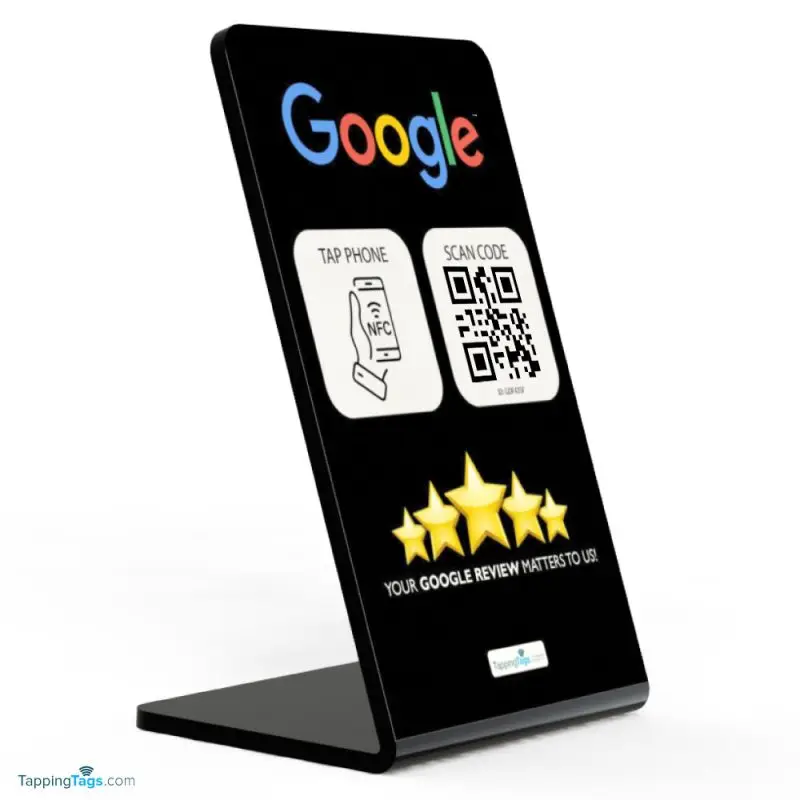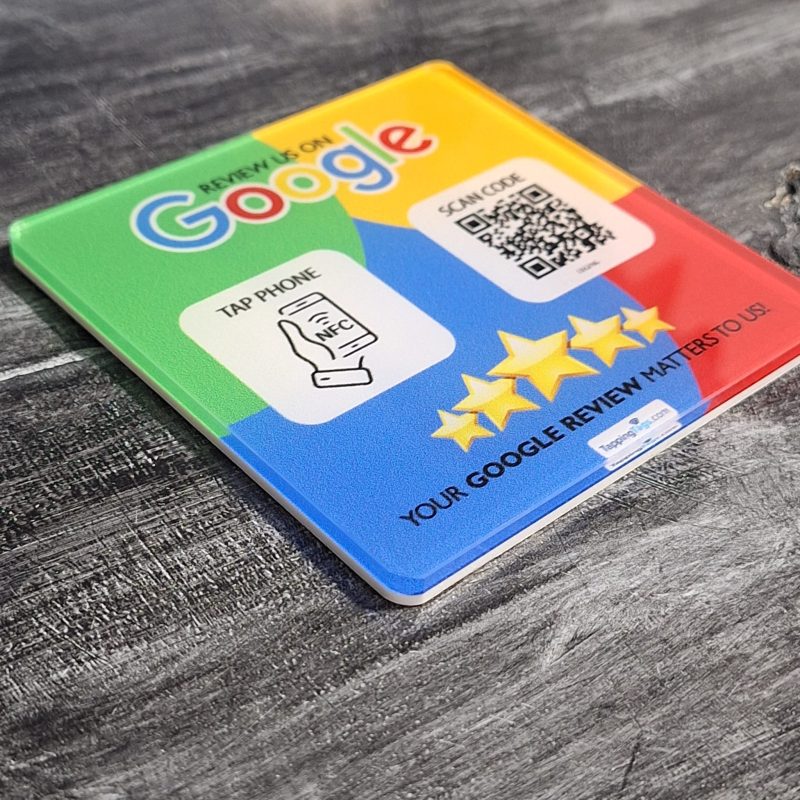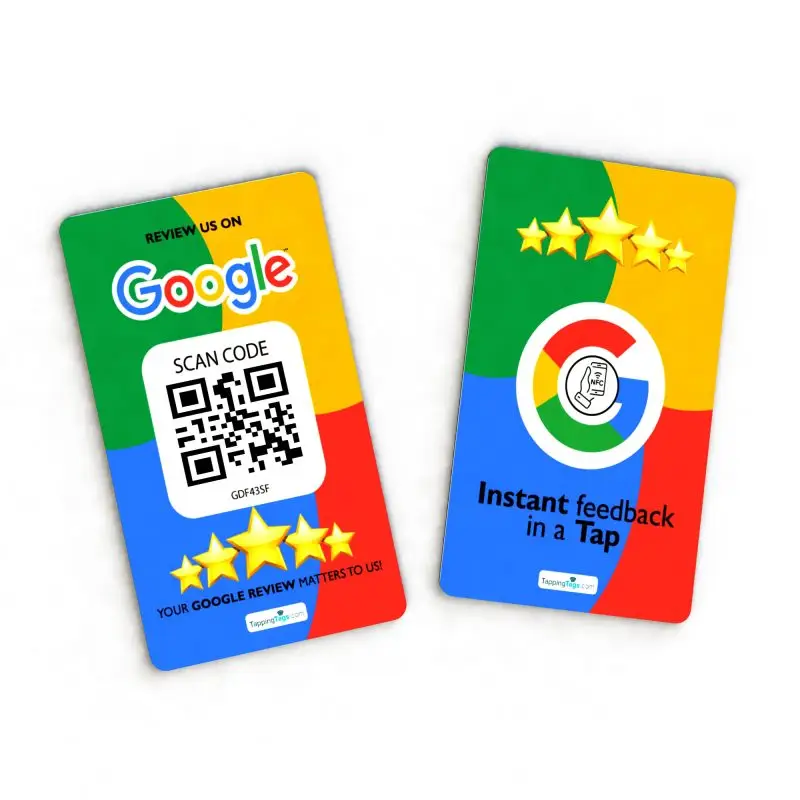
In today’s fast-paced digital landscape, businesses are constantly seeking innovative ways to enhance customer engagement and gather valuable insights. Enter NFC cards, a modern tool that is transforming how companies collect and analyze customer feedback. At the forefront of this revolution is Tapping Tags, a pioneering company dedicated to merging customer engagement with cutting-edge technology. Their flagship product, the Google Review NFC card, leverages Near Field Communication (NFC) technology to simplify the feedback process, making it easier than ever for businesses to gain actionable insights. By simply tapping their smartphones on these NFC cards, customers can effortlessly leave reviews, providing businesses with real-time, authentic feedback. This seamless interaction not only boosts customer satisfaction but also empowers companies to make data-driven decisions. As NFC technology continues to evolve, tools like the Google Review NFC card from Tapping Tags are setting new standards in customer feedback collection, offering businesses a competitive edge in understanding and responding to their customers’ needs.
Introduction to NFC Technology
Near Field Communication (NFC) technology has become an integral part of modern digital interactions, offering a seamless and efficient way to exchange information between devices. This wireless communication technology operates over short distances, typically a few centimeters, enabling secure and swift data transfer. NFC technology is embedded in various devices, including smartphones, tablets, and NFC cards, making it a versatile tool for businesses seeking to enhance customer engagement and gather valuable insights.
NFC technology works on the principle of electromagnetic induction between two loop antennas when they are brought close together. This proximity-based interaction is what makes NFC both convenient and secure, as it requires intentional physical closeness to initiate a connection. One of the most common applications of NFC is in contactless payment systems, where users can simply tap their NFC-enabled device or card on a terminal to complete a transaction. This ease of use and speed has led to widespread adoption in retail environments, providing a frictionless shopping experience for customers.
Beyond payments, NFC technology is increasingly being used for marketing and customer engagement. Businesses can leverage NFC cards to deliver personalized content, promotions, and loyalty rewards directly to customers’ smartphones. For instance, a customer can tap their phone on an NFC-enabled poster or product tag to access detailed product information, reviews, or exclusive offers. This interactive approach not only enhances the shopping experience but also provides businesses with valuable data on customer preferences and behaviors.
According to a report by MarketsandMarkets, the NFC market is projected to grow from USD 16.3 billion in 2021 to USD 34.9 billion by 2026, at a compound annual growth rate (CAGR) of 16.9%. This growth is driven by the increasing adoption of NFC technology in various sectors, including retail, healthcare, and transportation. The ability to gather real-time data through NFC interactions allows businesses to gain deeper insights into customer behavior, enabling them to tailor their offerings and improve customer satisfaction.
NFC technology also plays a crucial role in enhancing security. The short-range nature of NFC communication reduces the risk of unauthorized access, making it a preferred choice for secure transactions and data exchanges. Additionally, NFC-enabled devices often incorporate advanced security features, such as encryption and tokenization, to protect sensitive information. This makes NFC an attractive option for businesses looking to implement secure and efficient customer interaction solutions.
For businesses interested in exploring the potential of NFC technology, there are several key considerations to keep in mind:
- Compatibility: Ensure that your NFC solutions are compatible with a wide range of devices to maximize reach and engagement.
- User Experience: Design intuitive and seamless NFC interactions to enhance the customer experience and encourage adoption.
- Data Privacy: Implement robust data protection measures to safeguard customer information and comply with privacy regulations.
To learn more about how NFC technology can transform your business, visit our home page. For inquiries or further information, feel free to contact us.
In conclusion, NFC technology offers a powerful tool for businesses seeking to enhance customer engagement and gain valuable insights. Its ability to facilitate secure, contactless interactions makes it an ideal solution for modern retail environments. As the NFC market continues to grow, businesses that embrace this technology will be well-positioned to stay ahead of the competition and deliver exceptional customer experiences. For more information about our NFC products and services, visit our shop.
How NFC Cards Work
Near Field Communication (NFC) cards have become a pivotal tool in the realm of customer insights, offering businesses a modern way to engage with consumers and gather valuable data. These cards operate on the principle of wireless communication, allowing devices to exchange information over short distances, typically a few centimeters. This technology is embedded in a small chip within the card, which can communicate with NFC-enabled devices such as smartphones, tablets, or specialized readers. When an NFC-enabled device comes into proximity with the card, it triggers the exchange of data, which can include anything from a simple URL to more complex information like customer preferences or transaction details.
The magic of NFC cards lies in their ability to facilitate seamless interactions without the need for physical contact or a visible power source. The NFC chip in the card is passive, meaning it does not have its own power supply. Instead, it relies on the electromagnetic field generated by the NFC reader to power the chip and initiate the data transfer. This makes NFC cards incredibly convenient and easy to use, as they do not require batteries or charging. Users simply need to tap their card against an NFC-enabled device to complete a transaction or access information.
From a business perspective, NFC cards are a treasure trove of customer insights. They can be used to track consumer behavior, preferences, and purchasing patterns in real-time. For instance, when a customer uses an NFC card to make a purchase, the business can collect data on what was bought, when, and where. This information can then be analyzed to identify trends, optimize inventory, and tailor marketing strategies to better meet customer needs. Moreover, NFC cards can be integrated with loyalty programs, allowing businesses to reward repeat customers and foster brand loyalty.
The applications of NFC cards extend beyond retail and into various industries such as hospitality, transportation, and healthcare. In the hospitality sector, for example, NFC cards can be used as room keys, providing guests with a convenient and secure way to access their accommodations. In transportation, NFC cards serve as contactless tickets, streamlining the boarding process and reducing wait times. In healthcare, they can store patient information, ensuring quick and accurate access to medical records.
Implementing NFC technology is relatively straightforward, making it accessible for businesses of all sizes. Companies can purchase NFC cards from suppliers or shop for customizable options that align with their brand identity. Additionally, the integration of NFC technology with existing systems is often seamless, requiring minimal technical expertise. Businesses interested in exploring the potential of NFC cards can learn more about the technology and its applications by visiting resources such as the about page of industry leaders.
As NFC technology continues to evolve, the potential for NFC cards to enhance customer insights and improve business operations will only grow. Companies looking to stay ahead of the curve should consider investing in this technology to gain a competitive edge. For more information on how NFC cards can benefit your business, feel free to contact us for expert advice and support.
Benefits of Using NFC Cards for Businesses
NFC (Near Field Communication) cards have emerged as a transformative tool for businesses seeking to enhance customer engagement and gather valuable insights. These cards, which allow for wireless communication between devices when in close proximity, offer a multitude of benefits that can significantly impact business operations and customer interactions. One of the primary advantages of using NFC cards is their ability to streamline transactions and improve the overall customer experience. By enabling quick and contactless payments, businesses can reduce wait times and enhance convenience for their customers. This efficiency not only improves customer satisfaction but also increases the likelihood of repeat business.
Moreover, NFC cards provide businesses with a powerful tool for collecting and analyzing customer data. When customers use NFC-enabled cards, businesses can gather information about purchasing habits, preferences, and behaviors. This data can be invaluable for tailoring marketing strategies and personalizing customer experiences. By understanding what customers want and need, businesses can create targeted promotions and offers that resonate with their audience, ultimately driving sales and fostering customer loyalty.
In addition to enhancing customer insights, NFC cards can also improve operational efficiency. For instance, businesses can use NFC technology to manage inventory more effectively. By integrating NFC tags with inventory systems, companies can track stock levels in real-time, reducing the risk of overstocking or stockouts. This capability not only optimizes inventory management but also helps in reducing costs associated with excess inventory or lost sales due to unavailable products.
Furthermore, NFC cards can play a crucial role in enhancing security for both businesses and customers. The technology supports secure transactions by encrypting data, which reduces the risk of fraud and unauthorized access. This security feature is particularly important in today’s digital age, where data breaches and cyber threats are prevalent. By offering a secure payment option, businesses can build trust with their customers, which is essential for maintaining a positive brand reputation.
Another significant benefit of NFC cards is their versatility and adaptability across various industries. Whether in retail, hospitality, or healthcare, NFC technology can be customized to meet specific business needs. For example, in the hospitality industry, NFC cards can be used for room access, allowing guests to check in and enter their rooms without the need for traditional keys. This not only enhances the guest experience but also streamlines hotel operations.
Additionally, NFC cards can support loyalty programs by simplifying the process of earning and redeeming rewards. Customers can easily tap their cards to accumulate points or redeem offers, making loyalty programs more accessible and engaging. This ease of use encourages participation and helps businesses build long-term relationships with their customers.
For businesses looking to implement NFC technology, partnering with a reliable provider is crucial. Companies like Tapping Tags offer a range of NFC solutions tailored to different business needs. By visiting their home page, businesses can explore various NFC products and services that can help them leverage this technology effectively. Additionally, businesses can learn more about the benefits and applications of NFC technology by visiting the about page, where they can find detailed information and case studies.
In conclusion, NFC cards offer a myriad of benefits for businesses, from enhancing customer experiences and gathering valuable insights to improving operational efficiency and security. By adopting NFC technology, businesses can stay ahead of the competition and meet the evolving needs of their customers. For those interested in exploring NFC solutions, reaching out to experts in the field can provide valuable guidance and support. Businesses can contact Tapping Tags through their contact us page to discuss how NFC technology can be integrated into their operations for maximum impact.
Enhancing Customer Experience with NFC Cards
Near Field Communication (NFC) cards are revolutionizing the way businesses interact with their customers, offering a seamless and personalized experience that enhances customer satisfaction and loyalty. These smart cards, embedded with NFC technology, allow for quick and contactless communication between devices, making transactions and interactions more efficient and engaging. By integrating NFC cards into their operations, businesses can gather valuable customer insights, streamline processes, and ultimately improve the overall customer experience.
One of the primary benefits of NFC cards is their ability to facilitate fast and secure transactions. Customers can simply tap their NFC-enabled card on a reader to make a payment, eliminating the need for cash or physical contact. This not only speeds up the checkout process but also reduces the risk of errors and enhances security, as the data transmitted is encrypted. This convenience is particularly appealing in today’s fast-paced world, where customers value speed and efficiency. By offering a quick and hassle-free payment option, businesses can improve customer satisfaction and encourage repeat visits.
Beyond payments, NFC cards can also be used to deliver personalized experiences. By linking NFC cards to customer profiles, businesses can gather data on purchasing habits and preferences. This information can be used to tailor marketing efforts and offer personalized promotions, enhancing the customer experience. For example, a customer who frequently purchases a particular product can receive targeted discounts or recommendations for similar items. This level of personalization makes customers feel valued and understood, fostering a stronger connection with the brand.
Moreover, NFC cards can be used to enhance loyalty programs. Traditional loyalty programs often require customers to carry physical cards or remember account numbers, which can be cumbersome. With NFC technology, loyalty points can be automatically added to a customer’s account with a simple tap of their card. This seamless integration encourages participation in loyalty programs, as customers do not have to go out of their way to earn rewards. Additionally, businesses can use the data collected from NFC interactions to gain insights into customer behavior and preferences, allowing them to refine their loyalty programs and make them more appealing.
NFC cards also offer opportunities for interactive and engaging experiences. For instance, businesses can use NFC technology to provide customers with additional information about products or services. By tapping their card on an NFC-enabled display, customers can access detailed product descriptions, reviews, or even video demonstrations. This interactive element not only enhances the shopping experience but also empowers customers to make informed decisions. Furthermore, businesses can use NFC cards to facilitate customer feedback. By tapping their card at designated points, customers can quickly and easily provide feedback on their experience, allowing businesses to address any issues and continuously improve their service.
The versatility of NFC cards makes them a valuable tool for businesses looking to enhance their customer experience. From streamlining transactions to delivering personalized promotions and facilitating interactive experiences, NFC technology offers numerous benefits that can set a business apart from its competitors. As more businesses adopt this technology, it is crucial to stay ahead of the curve and leverage NFC cards to their full potential.
For businesses interested in exploring the possibilities of NFC technology, it is important to partner with a reliable provider. Companies like Tapping Tags offer a range of NFC solutions tailored to meet the needs of different industries. By working with experts in the field, businesses can ensure a smooth implementation and maximize the benefits of NFC cards. To learn more about how NFC technology can transform your business, visit the Tapping Tags website or contact their team for personalized advice and support.
Collecting and Analyzing Data from NFC Interactions
Near Field Communication (NFC) technology has revolutionized the way businesses gather and analyze customer data, offering a seamless and efficient method to gain valuable insights. NFC cards, in particular, have emerged as a powerful tool for collecting data from customer interactions. When a customer taps their NFC-enabled device or card on a reader, it triggers a data exchange that can provide businesses with a wealth of information. This interaction can capture data such as the time and location of the interaction, the type of product or service being accessed, and even customer preferences and behaviors. By analyzing this data, businesses can gain a deeper understanding of their customers, allowing them to tailor their offerings and improve customer satisfaction.
The process of collecting data from NFC interactions begins with the deployment of NFC-enabled devices or cards. These cards can be distributed to customers as loyalty cards, membership cards, or even as part of promotional campaigns. When a customer uses their NFC card, the interaction is recorded, and the data is transmitted to a central database for analysis. This data can include demographic information, purchase history, and interaction frequency, providing a comprehensive view of customer behavior.
Once the data is collected, the next step is to analyze it to extract meaningful insights. Businesses can use advanced analytics tools to process the data and identify patterns and trends. For example, by analyzing the frequency of NFC interactions, businesses can determine peak times for customer engagement and adjust their staffing or marketing efforts accordingly. Additionally, by examining the types of products or services accessed through NFC interactions, businesses can identify popular items and optimize their inventory or service offerings.
Moreover, NFC data analysis can help businesses segment their customer base more effectively. By understanding the preferences and behaviors of different customer segments, businesses can create targeted marketing campaigns that resonate with specific groups. This level of personalization can lead to increased customer loyalty and higher conversion rates. Furthermore, NFC data can be used to enhance the overall customer experience by identifying pain points and areas for improvement. For instance, if data analysis reveals that customers frequently abandon a particular service or product, businesses can investigate the underlying reasons and make necessary adjustments.
In addition to improving customer insights, NFC data collection and analysis can also enhance operational efficiency. By automating the data collection process, businesses can reduce the need for manual data entry and minimize the risk of human error. This not only saves time and resources but also ensures that the data collected is accurate and reliable. Furthermore, the real-time nature of NFC data allows businesses to make informed decisions quickly, enabling them to respond promptly to changing customer needs and market conditions.
For businesses looking to implement NFC technology, it is essential to partner with a reliable provider that offers robust solutions for data collection and analysis. Companies like Tapping Tags provide comprehensive NFC solutions that can be customized to meet the specific needs of different businesses. By leveraging the expertise of such providers, businesses can ensure a seamless integration of NFC technology into their operations and maximize the benefits of data-driven decision-making.
In conclusion, NFC cards are a modern tool that offers businesses a unique opportunity to gain valuable customer insights. By collecting and analyzing data from NFC interactions, businesses can enhance their understanding of customer behavior, improve their offerings, and optimize their operations. As the use of NFC technology continues to grow, businesses that embrace this innovative approach will be well-positioned to stay ahead of the competition and deliver exceptional value to their customers. To learn more about how NFC technology can benefit your business, visit our home page or contact us for more information.
Case Studies: Successful Implementation of NFC Cards
Near Field Communication (NFC) cards have emerged as a powerful tool for businesses seeking to gain deeper customer insights. By leveraging NFC technology, companies can gather valuable data while enhancing customer experiences. Several case studies highlight the successful implementation of NFC cards, showcasing their potential to transform customer engagement and data collection strategies.
One notable example is a retail chain that integrated NFC cards into their loyalty program. By distributing these cards to customers, the company enabled seamless check-ins and personalized offers. When customers tapped their NFC cards at store entrances, the system automatically recognized them, allowing for a tailored shopping experience. This approach not only improved customer satisfaction but also provided the retailer with detailed insights into shopping patterns and preferences. The data collected through NFC interactions helped the company refine its marketing strategies and optimize inventory management, ultimately boosting sales and customer retention.
In the hospitality industry, a leading hotel chain adopted NFC cards to enhance guest experiences. Upon check-in, guests received NFC-enabled room keys that also served as personalized concierge services. By tapping their cards at various points throughout the hotel, guests could access information about amenities, book services, and receive exclusive offers. This innovative use of NFC technology not only streamlined operations but also provided the hotel with valuable data on guest preferences and behaviors. The insights gained allowed the hotel to tailor its services more effectively, resulting in increased guest satisfaction and repeat visits.
Another compelling case comes from the transportation sector, where a public transit authority implemented NFC cards for fare collection and passenger insights. Commuters used NFC cards to pay for rides, which simplified the payment process and reduced wait times. Beyond convenience, the NFC system collected data on travel patterns, peak usage times, and passenger demographics. This information enabled the transit authority to optimize routes, improve service efficiency, and plan future expansions based on real-time data. The successful deployment of NFC cards in this context demonstrated their potential to revolutionize public transportation systems by providing actionable insights.
In the realm of events and entertainment, a music festival organizer utilized NFC cards to enhance the attendee experience. Festival-goers received NFC wristbands that served as tickets, payment methods, and access passes. By tapping their wristbands at various checkpoints, attendees could easily enter different areas, purchase food and merchandise, and participate in interactive activities. The NFC system collected data on attendee movements and preferences, allowing the organizer to analyze crowd behavior and optimize event logistics. This implementation not only improved the overall festival experience but also provided valuable insights for planning future events.
These case studies illustrate the transformative impact of NFC cards across various industries. By integrating NFC technology, businesses can gather comprehensive customer insights while enhancing user experiences. The data collected through NFC interactions offers a wealth of information that can inform strategic decisions, improve operational efficiency, and drive customer engagement. As more companies recognize the potential of NFC cards, their adoption is likely to increase, paving the way for innovative applications and deeper customer understanding.
For businesses considering the implementation of NFC cards, it is essential to partner with experienced providers who understand the technology and its applications. Companies like Tapping Tags offer a range of NFC solutions tailored to different industry needs. By exploring the possibilities of NFC technology, businesses can unlock new opportunities for growth and customer engagement. To learn more about how NFC cards can benefit your business, visit our home page or about us section. For inquiries and further information, feel free to contact us.
Future Trends in NFC Technology and Customer Insights
As we look toward the future of NFC technology, it is clear that its role in enhancing customer insights is set to expand significantly. Near Field Communication (NFC) cards have already revolutionized the way businesses interact with their customers, providing a seamless and efficient method for data exchange. This technology is poised to evolve further, offering even more sophisticated tools for gathering and analyzing customer data. One of the most promising trends is the integration of NFC with the Internet of Things (IoT). As more devices become interconnected, NFC cards will play a crucial role in facilitating communication between these devices, allowing businesses to collect real-time data on customer behavior and preferences. This will enable companies to tailor their offerings more precisely to meet individual customer needs, enhancing the overall customer experience.
Another trend to watch is the increasing use of NFC cards in mobile payments and digital wallets. As consumers continue to embrace cashless transactions, NFC technology will become even more integral to the payment process. This shift not only streamlines transactions but also provides businesses with valuable data on purchasing patterns and customer preferences. By analyzing this data, companies can gain deeper insights into consumer behavior, allowing them to develop more targeted marketing strategies and improve customer engagement. Additionally, the rise of wearable technology presents new opportunities for NFC. Devices such as smartwatches and fitness trackers equipped with NFC capabilities can offer businesses a wealth of data on customer habits and preferences. This information can be used to create personalized marketing campaigns and enhance customer loyalty programs.
Furthermore, advancements in data analytics and artificial intelligence are set to enhance the capabilities of NFC technology. By leveraging AI, businesses can analyze the vast amounts of data collected through NFC interactions more efficiently, uncovering patterns and trends that were previously difficult to detect. This will enable companies to make more informed decisions and develop strategies that are closely aligned with customer needs and expectations. As these technologies continue to evolve, businesses will be able to gain even deeper insights into customer behavior, driving innovation and growth.
The future of NFC technology also holds promise for enhancing security and privacy. As concerns about data security continue to grow, advancements in encryption and authentication methods will ensure that customer data collected through NFC interactions is protected. This will help build trust between businesses and consumers, encouraging more people to engage with NFC-enabled services. Moreover, the development of blockchain technology offers potential for further enhancing the security of NFC transactions, providing an additional layer of protection for customer data.
In conclusion, the future of NFC technology is bright, with numerous trends set to enhance its role in gathering and analyzing customer insights. From the integration with IoT and mobile payments to advancements in AI and data analytics, NFC cards are poised to become an even more powerful tool for businesses looking to understand and engage with their customers. As these technologies continue to evolve, companies that embrace NFC will be well-positioned to stay ahead of the competition and deliver exceptional customer experiences. To learn more about how NFC technology can benefit your business, visit our home page or contact us for more information.
In conclusion, NFC cards represent a powerful and modern tool for gaining valuable customer insights in today’s fast-paced digital landscape. By leveraging the capabilities of NFC technology, businesses can seamlessly collect and analyze data to better understand customer behaviors, preferences, and needs. This not only enhances the customer experience but also empowers companies to make informed decisions, tailor their marketing strategies, and foster stronger customer relationships. As the adoption of NFC technology continues to grow, businesses that embrace this innovative approach will be well-positioned to stay ahead of the competition and drive long-term success. By integrating NFC cards into their customer engagement strategies, companies can unlock a wealth of opportunities to personalize interactions, optimize operations, and ultimately, deliver greater value to their customers.