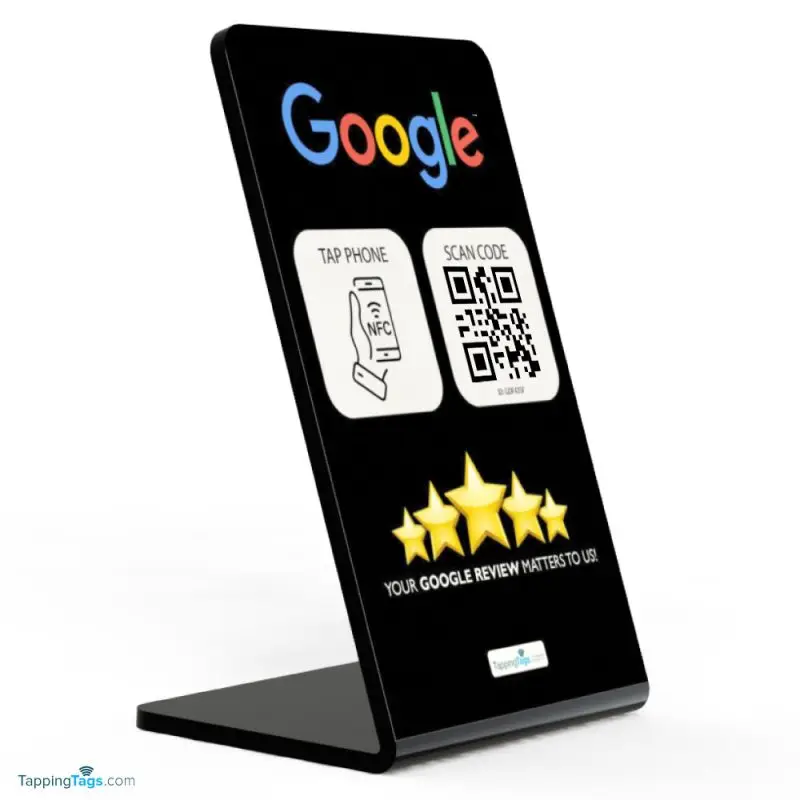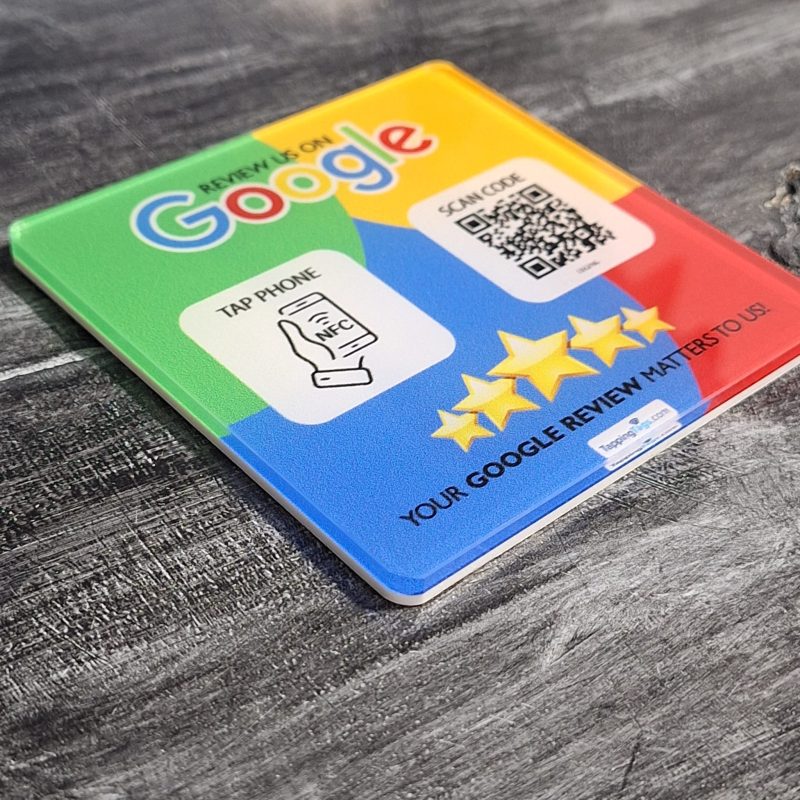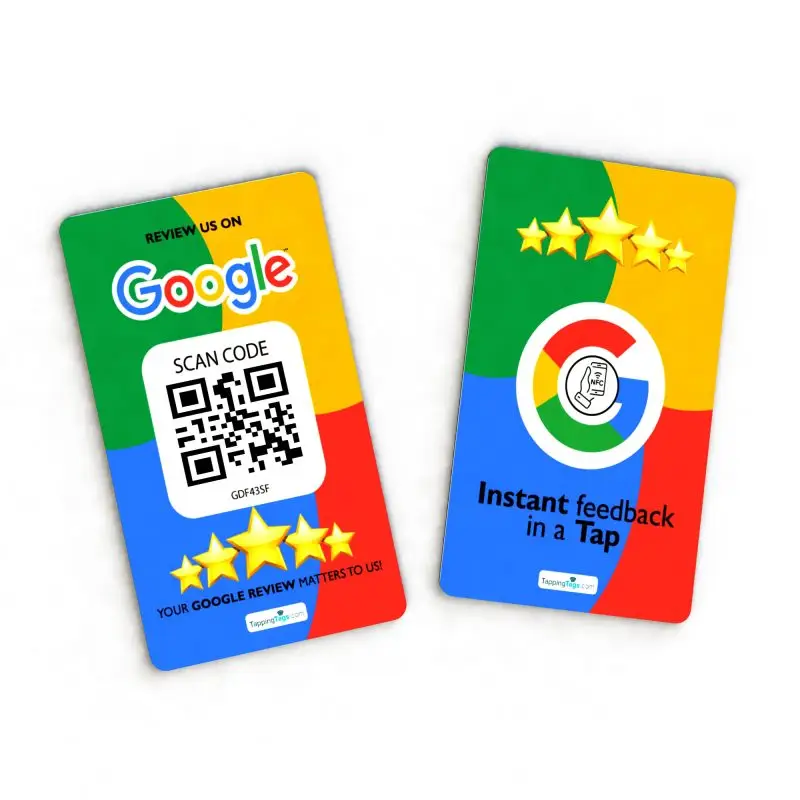
In today’s fast-paced digital landscape, enhancing customer experience is more crucial than ever, and NFC cards are at the forefront of this transformation. Revolutionizing Customer Feedback with NFC Technology, Tapping Tags is an innovative company that specializes in merging customer engagement with cutting-edge technology. Their flagship product, the Google Review NFC card, exemplifies how Near Field Communication (NFC) technology can streamline the process of collecting valuable customer feedback. By simply tapping their smartphones on these NFC cards, customers can effortlessly leave reviews, providing businesses with immediate insights into their services. This seamless interaction not only boosts customer satisfaction but also enhances brand loyalty. As businesses strive to improve customer experience, integrating NFC technology becomes a strategic advantage, offering a modern, efficient, and user-friendly solution. With Tapping Tags leading the charge, the future of customer feedback collection is both promising and exciting.
Understanding NFC Technology: A Brief Overview
Near Field Communication (NFC) technology has become a cornerstone in enhancing customer experiences across various industries. This wireless communication technology enables devices to exchange data over short distances, typically a few centimeters. NFC operates on the principle of electromagnetic induction between two loop antennas when they are brought close together. This technology is widely used in contactless payment systems, access control, and data sharing, making it a versatile tool for improving customer interactions.
NFC technology is embedded in many modern smartphones, tablets, and other devices, allowing them to communicate with NFC-enabled cards and tags. This capability has revolutionized how businesses interact with customers, offering a seamless and efficient way to enhance service delivery. For instance, NFC cards are increasingly used in retail environments to facilitate quick and secure transactions. Customers can simply tap their NFC-enabled card or device on a compatible terminal to complete a purchase, eliminating the need for cash or physical contact. This not only speeds up the checkout process but also enhances security by reducing the risk of card skimming and fraud.
One of the most significant advantages of NFC technology is its ability to provide a personalized customer experience. Businesses can use NFC cards to store customer preferences, loyalty points, and purchase history, allowing for tailored promotions and rewards. This personalization fosters customer loyalty and encourages repeat business. Additionally, NFC technology supports the integration of digital wallets, enabling customers to store multiple payment methods and loyalty cards in one place, further streamlining the shopping experience.
NFC technology also plays a crucial role in enhancing customer engagement through interactive marketing. Businesses can use NFC tags on product packaging or in-store displays to provide customers with instant access to product information, reviews, or promotional offers. By simply tapping their smartphone on an NFC tag, customers can receive detailed insights and make informed purchasing decisions. This interactive approach not only enriches the shopping experience but also empowers customers with the information they need at their fingertips.
Moreover, NFC technology is instrumental in improving operational efficiency for businesses. It reduces the need for physical infrastructure, such as cash registers and checkout counters, by enabling mobile point-of-sale systems. This flexibility allows businesses to serve customers in various locations, such as pop-up shops or outdoor events, without the constraints of traditional setups. Additionally, NFC technology can streamline inventory management by enabling real-time tracking of products and supplies, ensuring that businesses can meet customer demands promptly.
The adoption of NFC technology is not limited to retail environments. It is also transforming the hospitality industry by enhancing guest experiences. Hotels, for example, can use NFC cards as room keys, allowing guests to bypass the front desk and head straight to their rooms. This convenience is particularly appealing to travelers seeking a hassle-free check-in process. Furthermore, NFC technology can be used to provide guests with personalized recommendations for dining, entertainment, and local attractions, enhancing their overall stay.
In the realm of public transportation, NFC technology has simplified fare collection and improved the commuter experience. Many cities have implemented NFC-enabled transit cards, allowing passengers to tap their cards or smartphones to pay for rides. This system reduces wait times and eliminates the need for paper tickets, contributing to a more efficient and environmentally friendly transportation network.
As NFC technology continues to evolve, its potential to enhance customer experiences across various sectors is boundless. Businesses that embrace this technology can gain a competitive edge by offering innovative and convenient solutions that meet the evolving needs of their customers. For more information on how NFC technology can benefit your business, visit our home page or learn more about our services. If you have any questions or need assistance, feel free to contact us.
In conclusion, NFC technology is a powerful tool that enhances customer experiences by providing convenience, security, and personalization. Its applications are diverse, ranging from retail and hospitality to transportation and beyond. As businesses continue to explore the possibilities of NFC technology, they can unlock new opportunities to engage with customers and deliver exceptional service.
Seamless Transactions: Speed and Convenience
Near Field Communication (NFC) technology has revolutionized the way we conduct transactions, offering a level of speed and convenience that significantly enhances the customer experience. NFC cards, which utilize this technology, have become a staple in modern commerce, providing a seamless transaction process that benefits both consumers and businesses. The ability to simply tap a card against a reader to complete a purchase eliminates the need for physical contact or the swiping of cards, making transactions faster and more efficient. This ease of use is particularly beneficial in high-traffic environments such as retail stores, public transportation systems, and dining establishments, where time is of the essence. By reducing the time spent at the checkout, NFC cards not only improve customer satisfaction but also increase the throughput for businesses, allowing them to serve more customers in less time.
The convenience of NFC cards extends beyond just speed. These cards are designed to be highly secure, using encryption to protect sensitive information during transactions. This security feature is crucial in building trust with customers, who are increasingly concerned about data breaches and identity theft. With NFC technology, the risk of fraud is minimized, as the card never leaves the customer’s hand, and the transaction is completed in a matter of seconds. This level of security reassures customers that their personal information is safe, encouraging them to use NFC cards more frequently. Moreover, NFC cards are versatile and can be used for a variety of applications beyond payments, such as accessing public transportation, entering secure buildings, or even storing loyalty points. This multifunctionality adds another layer of convenience, as customers can consolidate multiple cards into one, reducing the clutter in their wallets and simplifying their daily routines.
For businesses, adopting NFC technology can lead to increased customer loyalty and satisfaction. By offering a quick and hassle-free payment option, businesses can differentiate themselves from competitors who may still rely on traditional payment methods. This competitive edge is particularly important in today’s fast-paced world, where consumers value efficiency and convenience. Additionally, the data collected from NFC transactions can provide valuable insights into customer behavior, allowing businesses to tailor their offerings and improve their services. This data-driven approach can lead to more personalized customer experiences, further enhancing satisfaction and loyalty. As more businesses recognize the benefits of NFC technology, its adoption is expected to grow, making it an essential component of modern commerce.
The integration of NFC technology into everyday transactions is a testament to the ongoing evolution of payment systems. As technology continues to advance, the demand for faster, more convenient, and secure payment options will only increase. NFC cards are at the forefront of this evolution, offering a solution that meets the needs of both consumers and businesses. By streamlining the transaction process, NFC cards not only improve the customer experience but also contribute to the overall efficiency of the economy. As more people become accustomed to the convenience of NFC transactions, the expectation for seamless, quick, and secure payments will become the norm. Businesses that embrace this technology will be well-positioned to meet these expectations and thrive in an increasingly competitive market.
For those interested in learning more about how NFC technology can benefit their business or personal life, visiting the home page of Tapping Tags can provide valuable insights and resources. Additionally, the about section offers a deeper understanding of the company’s mission and expertise in NFC solutions. For any inquiries or further information, the contact us page is available to assist with any questions or concerns. As the world continues to embrace digital solutions, NFC technology stands out as a key player in enhancing the customer experience through seamless transactions that prioritize speed and convenience.
Enhancing Security with NFC Cards
Near Field Communication (NFC) technology has revolutionized the way businesses interact with their customers, offering a seamless and efficient experience. One of the most significant advantages of NFC cards is the enhanced security they provide. As businesses increasingly adopt NFC technology, understanding how these cards bolster security is crucial for both companies and consumers. NFC cards use a secure communication protocol that ensures data is transmitted safely between devices. This is particularly important in today’s digital age, where data breaches and cyber threats are prevalent. NFC cards operate within a short range, typically a few centimeters, which significantly reduces the risk of unauthorized access or interception of data. This proximity requirement means that for a transaction to occur, the NFC card must be very close to the reader, minimizing the chances of data being intercepted by malicious actors. Additionally, NFC technology supports encryption, adding an extra layer of security to the data being transferred. This encryption ensures that even if data were intercepted, it would be unreadable without the proper decryption key. Furthermore, NFC cards can be programmed to require additional authentication methods, such as a PIN or biometric verification, before completing a transaction. This multi-factor authentication process adds another level of security, making it more difficult for unauthorized users to gain access. For businesses, implementing NFC technology can significantly reduce the risk of fraud and unauthorized transactions, providing peace of mind for both the company and its customers. By using NFC cards, businesses can also streamline their operations, as these cards can be easily integrated into existing systems and processes. This integration not only enhances security but also improves efficiency and customer satisfaction. Customers benefit from the convenience and speed of NFC transactions, as they can simply tap their card or device to complete a purchase, eliminating the need for cash or physical contact with payment terminals. This contactless payment method is particularly advantageous in today’s health-conscious environment, where minimizing physical contact is a priority. Moreover, NFC cards can store and transmit a variety of data types, including payment information, loyalty points, and personal identification details. This versatility allows businesses to offer personalized experiences to their customers while maintaining a high level of security. For example, a customer could use an NFC card to access exclusive offers or discounts, enhancing their overall experience with the brand. As more businesses recognize the benefits of NFC technology, the demand for secure and reliable NFC solutions continues to grow. Companies like Tapping Tags are at the forefront of this technological shift, offering a range of NFC products and services designed to meet the needs of modern businesses. To learn more about how NFC technology can benefit your business, visit the home page or explore the about section for detailed information. For businesses looking to implement NFC solutions, the contact us page provides a direct line to experts who can guide you through the process. In conclusion, NFC cards offer a robust solution for enhancing security while simultaneously improving the customer experience. By leveraging the secure communication protocols and encryption capabilities of NFC technology, businesses can protect sensitive data and reduce the risk of fraud. This not only builds trust with customers but also positions businesses as leaders in adopting innovative and secure payment solutions. As the world continues to embrace digital transformation, NFC cards will play an increasingly vital role in shaping the future of secure and efficient customer interactions.
Personalization and Customer Engagement
In today’s fast-paced digital world, businesses are constantly seeking innovative ways to enhance customer experience and foster deeper connections with their clientele. Near Field Communication (NFC) technology has emerged as a powerful tool in this quest, particularly through the use of NFC cards. These cards are revolutionizing how businesses personalize interactions and engage with customers, creating a more tailored and interactive experience that resonates with modern consumers.
NFC cards offer a seamless and efficient way to deliver personalized content and services to customers. By simply tapping an NFC-enabled device, such as a smartphone, against an NFC card, customers can instantly access customized information, offers, or services. This immediacy and ease of use significantly enhance the customer journey, making interactions more engaging and memorable. For instance, a customer visiting a retail store can tap their NFC card to receive personalized discounts or product recommendations based on their previous purchases or preferences. This level of personalization not only makes the customer feel valued but also increases the likelihood of repeat business.
Moreover, NFC cards enable businesses to gather valuable data about customer preferences and behaviors. This data can be used to further refine personalization strategies, ensuring that the content and offers provided are relevant and timely. By analyzing customer interactions with NFC cards, businesses can gain insights into what products or services are most appealing to their audience, allowing them to tailor their offerings accordingly. This data-driven approach to personalization helps businesses stay ahead of the competition by continuously adapting to the evolving needs and preferences of their customers.
In addition to personalization, NFC cards significantly enhance customer engagement by providing interactive and immersive experiences. For example, in the hospitality industry, hotels can use NFC cards to offer guests a range of services at their fingertips. Guests can tap their NFC-enabled room key card to access information about hotel amenities, book spa appointments, or even control room settings like lighting and temperature. This level of interactivity not only enhances the guest experience but also encourages them to explore and utilize more of the services offered by the hotel.
Furthermore, NFC cards can be integrated with loyalty programs to boost customer engagement and retention. By linking NFC cards to a customer’s loyalty account, businesses can offer instant rewards or points for every interaction or purchase made using the card. This real-time feedback loop keeps customers engaged and incentivizes them to continue using the card, thereby increasing brand loyalty. For businesses, this means a more engaged customer base and a higher likelihood of repeat purchases.
The versatility of NFC cards also allows for creative marketing campaigns that capture customer interest and drive engagement. Businesses can use NFC cards to deliver multimedia content, such as videos or interactive games, that promote new products or services. These engaging experiences can be shared on social media, amplifying the reach of the campaign and attracting new customers. By leveraging the interactive capabilities of NFC cards, businesses can create memorable marketing experiences that resonate with their audience and encourage them to engage with the brand on a deeper level.
As businesses continue to explore the potential of NFC technology, the importance of personalization and customer engagement cannot be overstated. NFC cards provide a unique opportunity to deliver tailored experiences that meet the individual needs and preferences of customers, fostering a sense of connection and loyalty. By embracing this technology, businesses can not only improve the customer experience but also gain a competitive edge in today’s dynamic marketplace.
To learn more about how NFC cards can transform your business, visit our home page. For further inquiries, feel free to contact us and discover how we can help you enhance customer engagement through innovative NFC solutions.
NFC Cards in Retail: A Case Study
In the rapidly evolving landscape of retail, businesses are constantly seeking innovative ways to enhance the customer experience. One such innovation is the use of NFC (Near Field Communication) cards, which have become a game-changer in the retail sector. This case study explores how NFC cards are transforming the retail experience, offering a seamless and interactive way for customers to engage with products and services. NFC technology allows for contactless communication between devices, and when integrated into retail, it provides a multitude of benefits that significantly improve customer satisfaction and engagement.
NFC cards in retail are primarily used to facilitate quick and secure transactions, but their potential extends far beyond just payments. By embedding NFC chips into loyalty cards, retailers can offer personalized promotions and discounts to customers, enhancing their shopping experience. For instance, when a customer taps their NFC-enabled loyalty card at a point-of-sale terminal, they can instantly receive tailored offers based on their purchase history. This level of personalization not only increases customer satisfaction but also fosters brand loyalty. Moreover, NFC cards can store digital receipts, reducing the need for paper and contributing to a more sustainable shopping environment.
Another significant advantage of NFC cards is their ability to provide detailed product information. Customers can simply tap their NFC card on a product tag to access information such as ingredients, origin, and reviews. This feature empowers customers to make informed purchasing decisions, thereby enhancing their overall shopping experience. Retailers can also use this technology to offer interactive experiences, such as virtual try-ons or augmented reality displays, which can be accessed through a simple tap of the card. These interactive elements not only make shopping more engaging but also help retailers stand out in a competitive market.
The implementation of NFC cards in retail also streamlines the checkout process, reducing wait times and improving efficiency. Customers can quickly complete transactions by tapping their NFC card on a reader, eliminating the need for cash or card swipes. This speed and convenience are particularly appealing to tech-savvy consumers who value efficiency. Furthermore, NFC technology is highly secure, utilizing encryption to protect sensitive information during transactions. This security feature builds trust with customers, as they can be confident that their data is safe.
Retailers looking to adopt NFC technology can benefit from partnering with companies that specialize in NFC solutions. These companies can provide the necessary infrastructure and support to ensure a smooth integration of NFC cards into existing systems. By investing in NFC technology, retailers can not only improve the customer experience but also gain valuable insights into consumer behavior. Data collected from NFC interactions can be analyzed to identify trends and preferences, allowing retailers to tailor their offerings and marketing strategies accordingly.
In conclusion, NFC cards are revolutionizing the retail industry by offering a more personalized, efficient, and secure shopping experience. As more retailers recognize the benefits of this technology, its adoption is expected to grow, further enhancing the way customers interact with brands. For businesses looking to stay ahead in the competitive retail landscape, embracing NFC technology is a strategic move that can lead to increased customer satisfaction and loyalty. To learn more about how NFC technology can benefit your retail business, visit our home page or contact us for more information.
The Future of NFC in Customer Experience
Near Field Communication (NFC) technology is rapidly transforming how businesses interact with their customers, offering a seamless and efficient way to enhance customer experience. As we look to the future, the potential for NFC in customer experience is vast and exciting. NFC technology allows for quick and secure transactions, making it an ideal solution for businesses looking to streamline their operations and improve customer satisfaction. With the increasing adoption of NFC-enabled devices, businesses can leverage this technology to offer personalized and convenient services that cater to the evolving needs of their customers. One of the most significant advantages of NFC is its ability to facilitate contactless payments, which have become increasingly popular in recent years. This trend is expected to continue as more consumers seek out fast and secure payment options. By integrating NFC technology into their payment systems, businesses can reduce transaction times and enhance the overall shopping experience for their customers. Additionally, NFC can be used to deliver targeted promotions and offers directly to customers’ smartphones, providing a personalized shopping experience that can drive customer loyalty and increase sales. Beyond payments, NFC technology can also be used to enhance customer engagement in various ways. For instance, businesses can use NFC tags to provide customers with instant access to product information, reviews, and recommendations, helping them make informed purchasing decisions. This can be particularly beneficial in retail environments, where customers often seek additional information before making a purchase. By offering this level of transparency and convenience, businesses can build trust with their customers and encourage repeat business. Moreover, NFC technology can be used to streamline loyalty programs, making it easier for customers to earn and redeem rewards. By integrating NFC into their loyalty programs, businesses can offer a more seamless and engaging experience that encourages customers to return. This can be achieved by allowing customers to tap their NFC-enabled cards or devices at the point of sale to automatically earn points or redeem rewards, eliminating the need for physical loyalty cards or coupons. As businesses continue to explore the potential of NFC technology, it is essential to consider the security implications. NFC offers a high level of security, with encryption and authentication protocols that protect sensitive customer data. This makes it a reliable option for businesses looking to safeguard their customers’ information while providing a convenient and efficient service. As the technology continues to evolve, we can expect to see even more advanced security features that further enhance the protection of customer data. In conclusion, the future of NFC in customer experience is bright, with numerous opportunities for businesses to leverage this technology to improve their operations and enhance customer satisfaction. By embracing NFC, businesses can offer a more personalized, convenient, and secure experience that meets the demands of today’s consumers. As the adoption of NFC technology continues to grow, businesses that invest in this technology will be well-positioned to stay ahead of the competition and build lasting relationships with their customers. For more information on how NFC technology can benefit your business, visit our home page, learn about our services, or contact us for personalized advice.
Overcoming Challenges in NFC Card Implementation
Implementing NFC (Near Field Communication) cards to enhance customer experience can be a transformative step for businesses, but it comes with its own set of challenges. Understanding and overcoming these challenges is crucial for a successful deployment. One of the primary challenges is ensuring compatibility with existing systems. Many businesses have legacy systems that may not support NFC technology, requiring significant upgrades or replacements. This can be a costly and time-consuming process, but it is essential for seamless integration. Businesses must conduct a thorough assessment of their current infrastructure and plan for necessary updates to support NFC technology effectively.
Another challenge is ensuring security. NFC cards, while convenient, can be susceptible to security threats such as data interception and unauthorized access. To mitigate these risks, businesses must implement robust security protocols, such as encryption and tokenization, to protect sensitive customer information. Regular security audits and updates are also necessary to address any vulnerabilities that may arise over time. Educating customers about the security measures in place can also help build trust and encourage the adoption of NFC cards.
User adoption is another critical factor. Customers may be hesitant to switch from traditional payment methods to NFC cards due to unfamiliarity or concerns about security. To address this, businesses should invest in comprehensive customer education and support. Providing clear instructions and demonstrations on how to use NFC cards can help alleviate concerns and encourage usage. Additionally, offering incentives, such as discounts or rewards for using NFC cards, can motivate customers to make the switch.
Technical issues, such as connectivity problems or hardware malfunctions, can also pose challenges. Businesses need to ensure that their NFC systems are reliable and capable of handling high volumes of transactions without interruptions. Regular maintenance and updates are essential to keep the system running smoothly. Partnering with experienced NFC technology providers can help businesses access the expertise and support needed to address technical challenges effectively.
Finally, cost considerations can be a significant barrier for some businesses. Implementing NFC technology requires an initial investment in hardware, software, and training. However, the long-term benefits, such as improved customer satisfaction and increased sales, often outweigh the initial costs. Businesses should conduct a cost-benefit analysis to determine the potential return on investment and explore financing options if necessary.
In conclusion, while there are challenges associated with implementing NFC cards, they can be overcome with careful planning and execution. By addressing compatibility issues, ensuring security, promoting user adoption, managing technical challenges, and considering cost implications, businesses can successfully integrate NFC technology and enhance the customer experience. For more information on how NFC cards can benefit your business, visit our home page or learn more about our services. If you have any questions or need assistance, feel free to contact us.
In conclusion, NFC cards have revolutionized the way businesses interact with their customers, offering a seamless and efficient experience that aligns with the fast-paced demands of modern consumers. By enabling quick and secure transactions, NFC technology not only enhances customer satisfaction but also fosters brand loyalty. The convenience of contactless payments, coupled with the potential for personalized marketing and engagement, positions NFC cards as a pivotal tool in the digital transformation of customer service. As businesses continue to innovate and integrate NFC technology into their operations, they can expect to see improved customer experiences, increased operational efficiency, and a competitive edge in the marketplace. Embracing NFC cards is not just about keeping up with technological advancements; it’s about setting a new standard for customer interaction and satisfaction in the digital age.