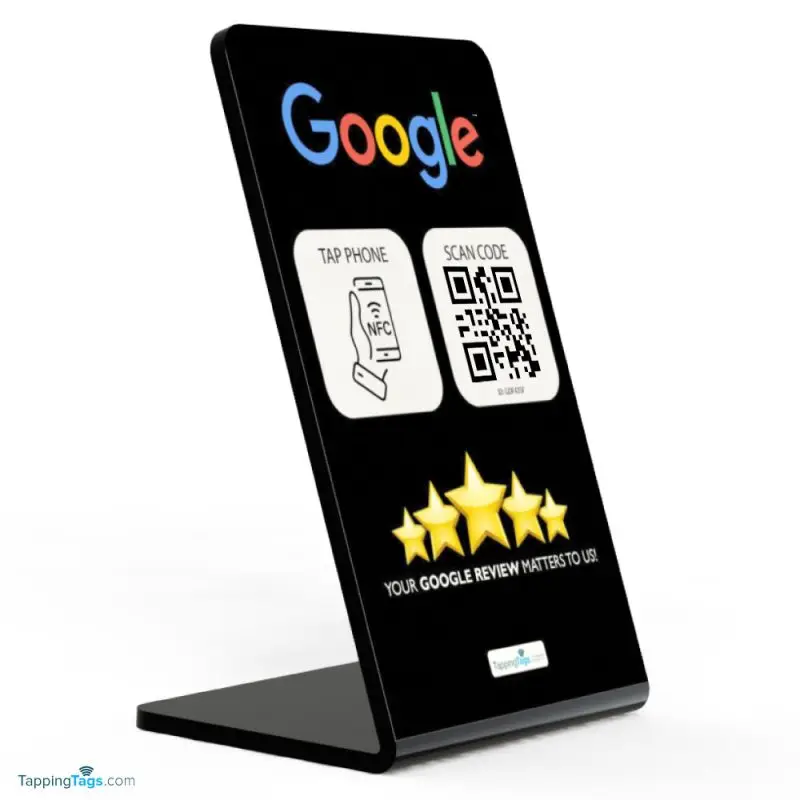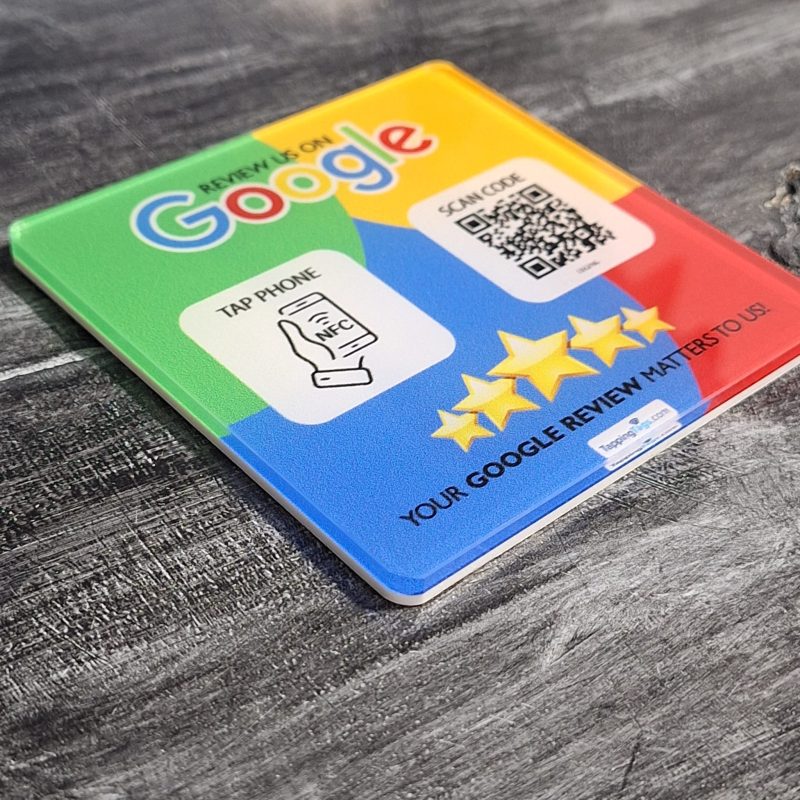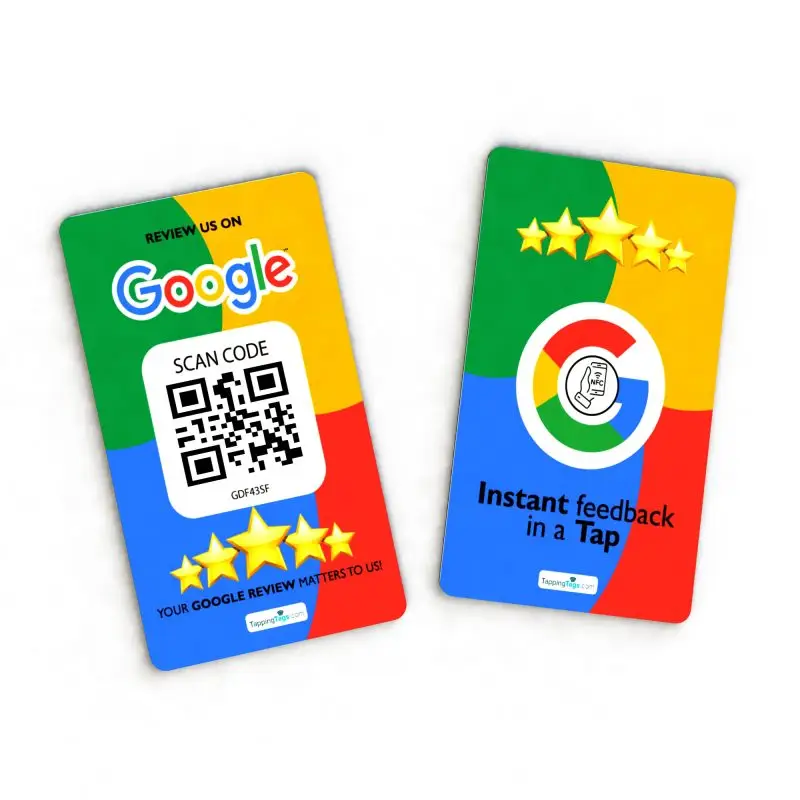
In today’s fast-paced digital landscape, businesses are constantly seeking innovative ways to enhance customer engagement and streamline feedback collection. Enter Tapping Tags, a pioneering company at the forefront of revolutionizing customer feedback with NFC technology. Their flagship product, the Google Review NFC card, is transforming how businesses gather valuable insights from their clientele. By leveraging Near Field Communication (NFC) technology, these cards simplify the review process, making it more efficient and user-friendly. With just a simple tap, customers can effortlessly leave feedback, allowing businesses to quickly gather and analyze reviews. This seamless integration of NFC cards into the customer feedback loop not only boosts engagement but also enhances the overall customer experience. As more companies recognize the benefits of NFC technology, Tapping Tags is leading the charge in redefining how businesses interact with their customers, ensuring that feedback is not only collected but also utilized to drive growth and improvement.
Introduction to NFC Technology
Near Field Communication (NFC) technology has emerged as a transformative force in the digital world, offering a seamless way to exchange information and perform transactions with just a tap. This technology is at the heart of NFC cards, which are revolutionizing the way we conduct reviews and manage data. NFC technology operates on the principle of short-range wireless communication, typically within a range of about 4 centimeters. This proximity-based communication allows devices to exchange data quickly and securely, making it ideal for applications where speed and security are paramount.
NFC technology is built upon the Radio Frequency Identification (RFID) framework, but it offers more advanced capabilities. Unlike RFID, which can operate over longer distances, NFC is designed for close-range interactions, which enhances its security features. This makes NFC particularly suitable for applications like contactless payments, access control, and identity verification. The technology works by establishing a peer-to-peer connection between two NFC-enabled devices, allowing them to exchange information in a matter of seconds.
One of the most significant advantages of NFC technology is its ease of use. Users can simply tap their NFC card against a compatible reader to initiate a transaction or share information. This simplicity is a key factor in the growing adoption of NFC cards in various sectors, including retail, transportation, and healthcare. For instance, in the retail industry, NFC cards are used to streamline the checkout process, reducing wait times and enhancing the customer experience. In transportation, NFC cards serve as contactless tickets, allowing passengers to board buses and trains with a simple tap.
The security features of NFC technology are another reason for its widespread adoption. NFC transactions are encrypted, and the short-range nature of the communication reduces the risk of interception by unauthorized parties. This makes NFC cards a secure option for sensitive applications such as mobile payments and identity verification. Furthermore, NFC technology supports two-way communication, enabling devices to both send and receive information. This capability is crucial for applications that require real-time data exchange, such as interactive advertising and smart posters.
NFC technology is also highly versatile, supporting a wide range of applications beyond payments and access control. For example, NFC tags can be embedded in products to provide consumers with additional information or promotional offers. This capability is being leveraged by businesses to enhance customer engagement and drive sales. In the healthcare sector, NFC cards are used to store patient information, enabling healthcare providers to access critical data quickly and efficiently.
The integration of NFC technology into smartphones has further accelerated its adoption. Most modern smartphones are equipped with NFC chips, allowing users to make contactless payments, share files, and interact with NFC-enabled devices effortlessly. This widespread availability of NFC-enabled devices has created a robust ecosystem that supports the growth of NFC applications across various industries.
In conclusion, NFC technology is a powerful tool that simplifies the review process by enabling fast, secure, and convenient data exchange. Its ease of use, security features, and versatility make it an ideal solution for a wide range of applications. As the technology continues to evolve, we can expect to see even more innovative uses for NFC cards, further enhancing their role in our daily lives. For more information on how NFC cards are transforming industries, visit our home page or learn more about our solutions. If you have any questions or need assistance, feel free to contact us.
- NFC technology is based on the principles of RFID but offers more advanced capabilities.
- It operates within a range of about 4 centimeters, enhancing security and speed.
- NFC cards are widely used in retail, transportation, and healthcare for their simplicity and security.
- Most modern smartphones are equipped with NFC chips, facilitating the growth of NFC applications.
"NFC technology is a powerful tool that simplifies the review process by enabling fast, secure, and convenient data exchange."
How NFC Cards Work
NFC, or Near Field Communication, is a technology that has revolutionized the way we interact with the digital world, particularly through the use of NFC cards. These cards are designed to simplify various processes, including the review process, by enabling seamless communication between devices. At its core, NFC is a set of communication protocols that allow two electronic devices, one of which is usually a portable device such as a smartphone, to establish communication by bringing them within close proximity, typically a few centimeters. This technology is based on RFID (Radio Frequency Identification) standards and operates at a frequency of 13.56 MHz. NFC cards contain a small microchip and an antenna, which enable them to communicate with NFC-enabled devices. When an NFC-enabled device, such as a smartphone, is brought near an NFC card, the device generates a magnetic field that powers the chip in the card, allowing it to transmit data back to the device. This process is known as inductive coupling. The data exchange between the card and the device is secure and occurs almost instantaneously, making NFC cards an ideal solution for quick and efficient data transfer. NFC cards can store a variety of information, such as URLs, contact details, or even payment information, depending on their intended use. For instance, in the context of simplifying the review process, NFC cards can be programmed to store links to online review platforms or feedback forms. When a customer taps their NFC-enabled device against the card, they are instantly directed to the relevant page, where they can leave their feedback or review. This eliminates the need for manual entry of URLs or searching for the appropriate platform, streamlining the process and encouraging more customers to participate in providing feedback. The convenience and ease of use offered by NFC cards are further enhanced by their compatibility with a wide range of devices. Most modern smartphones are equipped with NFC capabilities, making it easy for users to interact with NFC cards without the need for additional hardware or software. This widespread compatibility ensures that businesses can reach a broad audience and gather valuable insights from their customers. Moreover, NFC cards are highly customizable, allowing businesses to tailor them to their specific needs. They can be designed with unique branding elements, such as logos and colors, to create a cohesive and professional image. Additionally, the data stored on NFC cards can be easily updated or reprogrammed, providing businesses with the flexibility to adapt to changing requirements or campaigns. The security of NFC technology is another significant advantage. NFC transactions are typically encrypted, and the short range of communication reduces the risk of unauthorized access or data interception. This makes NFC cards a secure option for handling sensitive information, such as payment details or personal data. Furthermore, NFC cards are durable and cost-effective, making them a practical choice for businesses of all sizes. They can withstand regular use and are resistant to wear and tear, ensuring longevity and reliability. The cost of producing NFC cards has also decreased over time, making them an affordable solution for businesses looking to enhance their customer engagement strategies. In summary, NFC cards work by utilizing a combination of microchips and antennas to enable secure and efficient communication with NFC-enabled devices. Their ability to store and transmit data quickly and securely makes them an invaluable tool for simplifying processes such as the review process. By leveraging the convenience, compatibility, and security of NFC technology, businesses can enhance their customer interactions and gather valuable feedback with ease. For more information on how NFC cards can benefit your business, visit our home page, learn more about us, or contact us for personalized assistance.
The Benefits of Using NFC Cards for Reviews
NFC (Near Field Communication) technology has revolutionized the way businesses and consumers interact, particularly in the realm of customer reviews. NFC cards offer a seamless and efficient method for collecting feedback, enhancing the overall review process for both businesses and customers. These cards, embedded with NFC chips, allow users to simply tap their smartphones to access review platforms, eliminating the need for cumbersome URLs or QR codes. This ease of use encourages more customers to leave reviews, which are crucial for businesses aiming to improve their services and products.
One of the primary benefits of using NFC cards for reviews is the convenience they offer. Customers no longer need to remember long web addresses or go through multiple steps to leave a review. With a simple tap of their NFC-enabled smartphone, they are directed to the review page, making the process quick and hassle-free. This convenience not only enhances the customer experience but also increases the likelihood of receiving more reviews. The more reviews a business collects, the better it can understand customer satisfaction and areas needing improvement.
Moreover, NFC cards can be strategically placed in locations where customers are most likely to interact with them, such as at the checkout counter, in product packaging, or even on promotional materials. This strategic placement ensures that customers are reminded to leave a review at the most opportune moments, further increasing the chances of feedback. Businesses can also customize the landing pages that NFC cards direct users to, allowing for tailored review requests that can ask specific questions relevant to the customer’s experience.
Another significant advantage of NFC cards is their ability to provide real-time feedback. As soon as a customer taps the card and submits their review, businesses can receive immediate insights into customer satisfaction. This real-time feedback is invaluable for businesses looking to make quick adjustments to their services or products. For instance, if a restaurant receives multiple reviews about a particular dish being unsatisfactory, they can address the issue promptly, improving customer satisfaction and retention.
In addition to convenience and real-time feedback, NFC cards also offer a level of personalization that traditional review methods lack. Businesses can use NFC technology to track which customers are leaving reviews and tailor their follow-up communications accordingly. For example, a business could send a thank-you message or a special offer to customers who have left positive reviews, fostering a sense of appreciation and loyalty. This personalized approach not only enhances the customer experience but also encourages repeat business.
Furthermore, NFC cards are a cost-effective solution for businesses looking to streamline their review process. Unlike other technologies that require significant investment in hardware or software, NFC cards are relatively inexpensive to produce and distribute. They do not require batteries or maintenance, making them a sustainable option for businesses of all sizes. This cost-effectiveness allows even small businesses to leverage the power of NFC technology to enhance their review process and improve customer engagement.
Security is another critical benefit of using NFC cards. The technology is designed to be secure, with data encryption ensuring that customer information is protected during the review process. This security feature is particularly important in today’s digital age, where data breaches and privacy concerns are prevalent. By using NFC cards, businesses can assure their customers that their information is safe, building trust and encouraging more customers to participate in the review process.
In conclusion, NFC cards offer numerous benefits for businesses looking to simplify and enhance their review process. From convenience and real-time feedback to personalization and cost-effectiveness, these cards provide a modern solution that meets the needs of both businesses and customers. By integrating NFC technology into their review strategy, businesses can not only increase the quantity and quality of customer feedback but also foster stronger relationships with their customers. For more information on how NFC cards can benefit your business, visit our home page or learn more about our offerings. If you have any questions, feel free to contact us.
Streamlining Data Collection with NFC
Near Field Communication (NFC) technology has revolutionized the way we interact with the digital world, particularly in the realm of data collection. By leveraging NFC cards, businesses and organizations can significantly streamline their data collection processes, making them more efficient and accurate. NFC cards offer a seamless and contactless way to gather information, which is especially beneficial in environments where speed and precision are paramount. This technology enables users to simply tap their NFC-enabled devices against a card to instantly transfer data, eliminating the need for manual entry and reducing the likelihood of human error. This innovation is particularly useful in sectors such as retail, healthcare, and logistics, where quick access to accurate data is crucial for operational efficiency.
In retail, for instance, NFC cards can be used to track inventory levels in real-time. By embedding NFC tags in product packaging, retailers can easily monitor stock levels and receive alerts when items need to be reordered. This not only helps in maintaining optimal inventory levels but also enhances the overall customer experience by ensuring that products are always available. Similarly, in healthcare, NFC technology can be employed to streamline patient data collection. Medical professionals can use NFC cards to quickly access patient records, ensuring that they have the most up-to-date information at their fingertips. This can lead to more informed decision-making and improved patient outcomes.
Moreover, NFC cards can play a pivotal role in logistics and supply chain management. By attaching NFC tags to shipments, companies can track the movement of goods in real-time, ensuring that they reach their destination on time. This level of transparency is invaluable in identifying bottlenecks and optimizing delivery routes. Additionally, NFC technology can be used to enhance security measures by ensuring that only authorized personnel have access to sensitive information or areas. This is achieved by programming NFC cards to grant access only to individuals with the appropriate credentials.
The implementation of NFC technology in data collection also offers significant cost savings. By reducing the need for manual data entry and minimizing errors, businesses can save on labor costs and avoid the expenses associated with correcting mistakes. Furthermore, the use of NFC cards can lead to a reduction in paper usage, contributing to more sustainable business practices. As organizations increasingly prioritize environmental responsibility, the adoption of NFC technology can be a step towards achieving sustainability goals.
For businesses looking to integrate NFC technology into their operations, it is essential to choose the right partner. Companies like Tapping Tags offer a range of NFC solutions tailored to various industry needs. By visiting their home page, businesses can explore the different products and services available to enhance their data collection processes. Additionally, for those interested in learning more about how NFC technology can benefit their specific industry, the about page provides valuable insights and case studies. For personalized assistance and to discuss specific requirements, businesses can reach out through the contact us page.
In conclusion, NFC cards offer a powerful tool for streamlining data collection across various industries. By enabling quick, accurate, and contactless data transfer, NFC technology enhances operational efficiency and reduces costs. As businesses continue to seek innovative solutions to improve their processes, the adoption of NFC technology is likely to become increasingly prevalent. Whether in retail, healthcare, logistics, or any other sector, NFC cards provide a versatile and effective means of simplifying the review process and ensuring that data collection is as efficient as possible.
Enhancing User Experience with NFC Cards
Near Field Communication (NFC) technology has revolutionized the way we interact with the digital world, offering a seamless and efficient method to enhance user experience across various applications. NFC cards, in particular, have emerged as a powerful tool in simplifying processes and improving user engagement. By leveraging the capabilities of NFC cards, businesses can create a more interactive and personalized experience for their customers, ultimately leading to increased satisfaction and loyalty.
NFC cards work by enabling short-range communication between compatible devices, allowing for quick and easy data exchange. This technology is particularly beneficial in environments where speed and convenience are paramount. For instance, in the retail sector, NFC cards can streamline the checkout process, reducing wait times and enhancing customer satisfaction. By simply tapping an NFC-enabled card on a reader, customers can complete transactions swiftly, eliminating the need for cash or physical credit cards. This not only speeds up the process but also reduces the likelihood of errors, making it a win-win for both businesses and consumers.
Moreover, NFC cards can be used to deliver personalized content and offers to users, further enhancing their experience. Businesses can program NFC cards to provide tailored promotions or information based on the user’s preferences or past interactions. This level of personalization can significantly boost customer engagement, as users feel more valued and understood. For example, a customer visiting a store can tap their NFC card at various points to receive customized discounts or product recommendations, creating a more interactive and enjoyable shopping experience.
In addition to retail, NFC cards are also making a significant impact in other industries such as hospitality, transportation, and healthcare. In the hospitality sector, NFC cards can be used as room keys, allowing guests to access their rooms with a simple tap. This not only enhances convenience but also adds a layer of security, as the cards can be easily deactivated if lost or stolen. Similarly, in transportation, NFC cards can be used for ticketing, enabling passengers to quickly board buses or trains without the hassle of paper tickets. This not only speeds up the boarding process but also reduces operational costs for transit authorities.
Healthcare is another area where NFC cards are proving to be invaluable. They can be used to store patient information, allowing healthcare providers to access medical records quickly and efficiently. This can lead to improved patient care, as doctors and nurses can make informed decisions based on up-to-date information. Additionally, NFC cards can be used to track medication adherence, ensuring that patients are taking their prescribed medications on time.
The versatility of NFC cards extends to enhancing security measures as well. With the ability to encrypt data, NFC cards can be used for secure access control in various settings, from corporate offices to educational institutions. By replacing traditional keys or access cards with NFC-enabled solutions, organizations can improve security while also simplifying the process for users.
As businesses continue to explore the potential of NFC technology, the demand for NFC cards is expected to grow. Companies like Tapping Tags are at the forefront of this innovation, offering a range of NFC solutions tailored to different needs. Whether it’s for streamlining operations, enhancing customer engagement, or improving security, NFC cards offer a versatile and effective solution.
For businesses looking to implement NFC technology, it’s important to consider the user experience at every stage. From the initial interaction with the NFC card to the final outcome, each touchpoint should be designed to maximize convenience and satisfaction. By focusing on the needs and preferences of users, businesses can create a more engaging and rewarding experience that fosters loyalty and drives growth.
In conclusion, NFC cards are transforming the way we interact with the world around us, offering a multitude of benefits that enhance user experience across various sectors. By simplifying processes and providing personalized interactions, NFC cards are helping businesses create more meaningful connections with their customers. As this technology continues to evolve, its potential to improve user experience will only grow, making it an essential tool for businesses looking to stay ahead in a competitive landscape. To learn more about how NFC cards can benefit your business, visit our home page or contact us for more information.
Security Features of NFC Cards
Near Field Communication (NFC) cards have become an integral part of modern technology, offering a seamless and efficient way to conduct transactions and access information with just a tap. As their popularity grows, so does the importance of understanding the security features that protect users and their data. NFC cards are designed with multiple layers of security to ensure that sensitive information remains safe from unauthorized access and potential threats. One of the primary security features of NFC cards is encryption. Data transmitted between the NFC card and the reader is encrypted, making it difficult for hackers to intercept and decipher the information. This encryption acts as a robust barrier against eavesdropping and skimming, which are common threats in wireless communication. Additionally, NFC cards often use dynamic data exchange, meaning that the information shared during each transaction is unique and changes with every interaction. This dynamic nature further complicates any attempts by malicious actors to replicate or misuse the data.
Another critical security feature is the limited range of NFC technology. NFC operates over a very short distance, typically a few centimeters, which significantly reduces the risk of unauthorized access. This proximity requirement ensures that the cardholder is in close contact with the reader, making it challenging for potential attackers to intercept the communication without being detected. Furthermore, NFC cards are equipped with secure elements, which are tamper-resistant chips that store sensitive information such as payment credentials. These secure elements are designed to withstand physical and electronic attacks, providing an additional layer of protection for the data stored on the card.
NFC cards also support mutual authentication, a process where both the card and the reader verify each other’s legitimacy before any data exchange occurs. This mutual authentication ensures that the card is communicating with a trusted device, preventing unauthorized readers from accessing the card’s information. Moreover, NFC technology often incorporates tokenization, a security process that replaces sensitive data with unique tokens during transactions. These tokens are meaningless to anyone who might intercept them, adding another layer of security to the transaction process.
In addition to these technical measures, NFC cards benefit from the security protocols established by the organizations that issue them. Financial institutions and service providers implement stringent security standards and regularly update their systems to address emerging threats. Users are also encouraged to take proactive steps to protect their NFC cards, such as enabling PIN protection or biometric authentication for additional security. By combining advanced technology with user vigilance, NFC cards offer a secure and convenient solution for modern transactions.
For those interested in learning more about NFC technology and its applications, visiting the home page of Tapping Tags can provide valuable insights. Additionally, the about section offers detailed information about the company and its commitment to security and innovation. For any inquiries or further assistance, the contact us page is available to connect users with knowledgeable representatives. By understanding the security features of NFC cards, users can confidently embrace this technology, knowing that their information is well-protected.
Comparing NFC Cards to Traditional Review Methods
In the ever-evolving landscape of technology, Near Field Communication (NFC) cards have emerged as a revolutionary tool, particularly in streamlining the review process. Traditional review methods, often reliant on paper-based systems or manual data entry, are increasingly being replaced by the efficiency and convenience of NFC technology. This shift is not just a trend but a significant advancement in how businesses and individuals manage information and feedback.
Traditional review methods typically involve a series of steps that can be time-consuming and prone to human error. For instance, collecting feedback through paper forms requires manual distribution, collection, and data entry. This process is not only labor-intensive but also susceptible to inaccuracies during data transcription. Moreover, the physical storage of paper forms can be cumbersome, leading to potential issues with data retrieval and management. In contrast, NFC cards offer a streamlined solution that addresses these challenges effectively.
NFC cards operate on a simple yet powerful principle: they enable the wireless transfer of data between devices in close proximity. This capability allows for instantaneous data capture and processing, eliminating the need for manual input. When used in the review process, NFC cards can be programmed to store specific information or link to digital forms, enabling users to provide feedback with a simple tap of their smartphone. This not only speeds up the process but also ensures that the data collected is accurate and readily available for analysis.
One of the most significant advantages of NFC cards over traditional methods is their ability to enhance user engagement. The ease of use associated with NFC technology encourages more participants to provide feedback, as it removes the barriers often associated with traditional methods. Users are more likely to engage with a system that requires minimal effort, leading to higher response rates and more comprehensive data collection. This increased engagement is crucial for businesses and organizations seeking to gain valuable insights from their audience.
Furthermore, NFC cards offer a level of versatility that traditional methods cannot match. They can be customized to suit a wide range of applications, from customer feedback in retail environments to employee evaluations in corporate settings. This adaptability makes NFC cards an ideal solution for businesses looking to modernize their review processes. By integrating NFC technology, organizations can tailor their feedback systems to meet specific needs, ensuring that they capture the most relevant and actionable data.
In addition to improving the efficiency and accuracy of data collection, NFC cards also contribute to sustainability efforts. By reducing the reliance on paper-based systems, businesses can minimize their environmental impact. This shift towards digital solutions aligns with the growing emphasis on sustainability and corporate responsibility, making NFC cards an attractive option for organizations committed to reducing their carbon footprint.
The implementation of NFC cards in the review process also offers significant cost savings. While there may be an initial investment in the technology, the long-term benefits far outweigh the costs. The reduction in labor associated with manual data entry, coupled with the elimination of paper and printing expenses, results in substantial savings over time. Moreover, the enhanced accuracy and efficiency of NFC-enabled systems can lead to better decision-making and improved business outcomes, further justifying the investment.
For businesses considering the transition from traditional review methods to NFC technology, the process is straightforward. Companies like Tapping Tags provide comprehensive solutions that make it easy to integrate NFC cards into existing systems. By visiting their home page, businesses can explore the various options available and find the right solution to meet their needs. Additionally, the about section offers valuable insights into the benefits of NFC technology and how it can transform the review process.
In conclusion, NFC cards represent a significant advancement in the way reviews are conducted. By offering a more efficient, accurate, and user-friendly alternative to traditional methods, NFC technology is poised to become the standard for data collection and feedback management. As businesses continue to seek ways to improve their operations and engage with their audience, the adoption of NFC cards is a logical and beneficial step forward. For more information on how NFC technology can simplify your review process, consider reaching out to experts in the field through the contact us page.
Implementing NFC Cards in Your Review Process
Incorporating NFC cards into your review process can revolutionize the way you gather and manage feedback, making it more efficient and user-friendly. Near Field Communication (NFC) technology allows for seamless data exchange between devices, and when applied to review processes, it simplifies the collection of customer feedback, enhances data accuracy, and improves overall user experience. NFC cards can be strategically placed at various touchpoints within your business environment, such as at the checkout counter, on product displays, or even on tables in a restaurant. Customers can simply tap their NFC-enabled smartphones on these cards to access a review form or feedback page instantly. This eliminates the need for cumbersome URLs or QR codes, streamlining the process significantly. By reducing the friction involved in leaving a review, you are likely to see an increase in the volume of feedback, which is invaluable for continuous improvement. Moreover, NFC cards can be customized to direct users to specific review pages or surveys, ensuring that the feedback collected is relevant and targeted. This targeted approach not only saves time for the customer but also provides you with more actionable insights. Implementing NFC technology in your review process also demonstrates a commitment to innovation and customer convenience, which can enhance your brand image. As more businesses adopt this technology, staying ahead of the curve can give you a competitive edge. To get started, you can explore options for NFC cards at our shop or learn more about how NFC technology can benefit your business by visiting our about page. If you have any questions or need assistance with implementation, feel free to contact us. By leveraging NFC cards, you can transform your review process into a seamless and efficient system that not only meets but exceeds customer expectations.
Case Studies: Successful NFC Card Implementations
NFC (Near Field Communication) technology has revolutionized the way we interact with everyday objects, and NFC cards are at the forefront of this transformation. These cards have simplified numerous processes across various industries, making them an invaluable tool for businesses and consumers alike. To understand the impact of NFC cards, it is essential to explore some successful implementations that highlight their versatility and effectiveness.
One notable example of NFC card implementation is in the public transportation sector. Cities around the world have adopted NFC-enabled cards to streamline fare collection and improve the commuter experience. For instance, the Oyster card in London and the Octopus card in Hong Kong have become integral to their respective transit systems. These cards allow passengers to tap and go, reducing wait times and eliminating the need for cash transactions. The success of these systems has led to increased adoption of NFC technology in other cities, demonstrating the scalability and efficiency of NFC cards in public transportation.
In the hospitality industry, NFC cards have transformed the way hotels manage guest access and services. Many hotels now use NFC-enabled key cards that allow guests to unlock their rooms with a simple tap. This not only enhances security but also improves the guest experience by offering a seamless check-in and check-out process. Additionally, NFC cards can be used to access other hotel amenities, such as gyms and pools, and even to make payments at on-site restaurants and shops. This integration of services through a single card simplifies operations and enhances customer satisfaction.
Retail is another sector where NFC cards have made a significant impact. Retailers have implemented NFC loyalty cards to enhance customer engagement and streamline the shopping experience. These cards allow customers to earn and redeem rewards with ease, encouraging repeat business and fostering brand loyalty. Moreover, NFC cards can store valuable customer data, enabling retailers to personalize marketing efforts and improve customer service. The ability to integrate payment functionality into these cards further simplifies the checkout process, making shopping more convenient for consumers.
Educational institutions have also embraced NFC technology to improve campus operations. Universities and colleges use NFC cards for student identification, access control, and payment solutions. Students can use their NFC-enabled ID cards to enter buildings, check out library books, and pay for meals at campus dining facilities. This integration of services into a single card enhances security and convenience, allowing students to focus on their studies without worrying about carrying multiple cards or cash.
In the healthcare sector, NFC cards have been implemented to streamline patient management and improve data security. Hospitals and clinics use NFC-enabled cards to store patient information, ensuring quick and secure access to medical records. This reduces administrative burdens and minimizes the risk of errors, ultimately enhancing patient care. Additionally, NFC cards can be used for staff identification and access control, improving security and operational efficiency within healthcare facilities.
The versatility of NFC cards extends to the event management industry as well. Event organizers use NFC-enabled wristbands or cards to manage access control, streamline ticketing, and enhance attendee engagement. These cards can store ticket information, allowing attendees to enter events with a simple tap. Furthermore, NFC cards can facilitate cashless transactions at event venues, reducing wait times and improving the overall experience for attendees. The data collected through NFC cards also provides valuable insights for event organizers, helping them improve future events.
These case studies illustrate the diverse applications and benefits of NFC cards across various industries. The successful implementation of NFC technology in these sectors highlights its potential to simplify processes, enhance security, and improve user experiences. As more industries recognize the advantages of NFC cards, their adoption is likely to continue growing, driving innovation and efficiency in numerous fields. For more information about NFC technology and its applications, visit our home page or learn more about us. If you have any questions or need assistance, feel free to contact us.
Overcoming Challenges in NFC Card Adoption
The adoption of NFC (Near Field Communication) cards has been transformative in simplifying the review process across various industries. However, like any technological advancement, it comes with its own set of challenges that need to be addressed to ensure widespread acceptance and utilization. One of the primary challenges in NFC card adoption is the initial cost of implementation. Businesses need to invest in NFC-enabled devices and infrastructure, which can be a significant financial burden, especially for small to medium-sized enterprises. To mitigate this, companies can explore phased implementation strategies that allow them to gradually integrate NFC technology without overwhelming their budgets. Additionally, partnering with technology providers who offer flexible payment plans or leasing options can ease the financial strain.
Another challenge is the lack of awareness and understanding of NFC technology among consumers and businesses. Many potential users are not fully aware of the benefits and capabilities of NFC cards, which can lead to hesitation in adoption. To overcome this, businesses can invest in educational campaigns that highlight the convenience and efficiency of NFC cards. Demonstrating real-world applications and success stories can also help in building trust and interest among potential users. Furthermore, providing hands-on demonstrations and trials can allow users to experience the technology firsthand, reducing apprehension and increasing confidence in its use.
Security concerns also pose a significant barrier to NFC card adoption. Users are often worried about the safety of their personal and financial information when using NFC technology. To address these concerns, businesses must ensure that their NFC systems are equipped with robust security measures, such as encryption and tokenization, to protect sensitive data. Educating users about these security features and how they safeguard their information can alleviate fears and encourage adoption. Additionally, businesses should stay updated on the latest security protocols and regularly audit their systems to identify and address potential vulnerabilities.
Interoperability is another challenge that can hinder the widespread adoption of NFC cards. Different devices and systems may not always be compatible with each other, leading to frustration among users. To overcome this, industry stakeholders need to work towards standardizing NFC technology and ensuring compatibility across different platforms and devices. Collaboration between technology providers, device manufacturers, and industry regulators can facilitate the development of universal standards that promote seamless interoperability.
Moreover, the integration of NFC technology into existing systems can be complex and time-consuming. Businesses may face technical challenges when trying to incorporate NFC cards into their current processes and infrastructure. To address this, companies can seek the assistance of experienced technology partners who can provide guidance and support throughout the integration process. These partners can offer customized solutions that align with the specific needs and requirements of the business, ensuring a smooth transition to NFC technology.
Finally, regulatory and compliance issues can also pose challenges to NFC card adoption. Different regions may have varying regulations regarding the use of NFC technology, which can complicate implementation for businesses operating in multiple locations. Staying informed about the regulatory landscape and working with legal experts to ensure compliance can help businesses navigate these challenges effectively.
In conclusion, while there are several challenges associated with the adoption of NFC cards, they are not insurmountable. By addressing cost concerns, increasing awareness, ensuring security, promoting interoperability, facilitating integration, and navigating regulatory issues, businesses can successfully overcome these obstacles and reap the benefits of NFC technology. As more organizations embrace NFC cards, the review process will become increasingly streamlined and efficient, leading to enhanced customer experiences and operational efficiencies. For more information on how NFC technology can benefit your business, visit our home page or contact us for personalized assistance.
Future Trends in NFC Technology for Reviews
Near Field Communication (NFC) technology has been steadily gaining traction across various industries, and its application in simplifying the review process is no exception. As we look to the future, several trends are poised to revolutionize how NFC cards are used in this context. One of the most significant trends is the integration of NFC with mobile devices, which is expected to become even more seamless. As smartphones continue to evolve, their NFC capabilities are becoming more sophisticated, allowing for faster and more secure data exchanges. This advancement will enable users to effortlessly tap their NFC-enabled devices against cards to instantly access or submit reviews, enhancing user experience and engagement. Additionally, the rise of the Internet of Things (IoT) is set to play a crucial role in the evolution of NFC technology. With more devices becoming interconnected, NFC cards can serve as a bridge, facilitating communication between various smart devices and systems. This connectivity will allow for more personalized and context-aware reviews, as devices can gather and analyze data from multiple sources to provide tailored feedback. Another trend to watch is the increasing focus on security and privacy. As NFC technology becomes more prevalent, ensuring the protection of user data is paramount. Future NFC cards will likely incorporate advanced encryption techniques and authentication protocols to safeguard sensitive information during the review process. Furthermore, the use of blockchain technology in conjunction with NFC is being explored to create immutable and transparent records of reviews, enhancing trust and credibility. The adoption of NFC technology in the review process is also expected to expand beyond traditional sectors. Industries such as healthcare, hospitality, and retail are beginning to recognize the potential of NFC cards to streamline operations and improve customer satisfaction. For instance, in healthcare, NFC cards can be used to quickly access patient reviews and feedback, leading to more efficient service delivery. Similarly, in the retail sector, NFC-enabled loyalty cards can facilitate instant customer reviews, providing valuable insights for businesses to enhance their offerings. As these trends continue to develop, the role of NFC technology in simplifying the review process will become increasingly prominent. Companies and organizations that embrace these innovations will be well-positioned to leverage the benefits of NFC, ultimately leading to more efficient and effective review systems. For more information on how NFC technology is transforming various industries, visit our home page. To learn more about our mission and vision, check out our about page. If you have any questions or need further assistance, feel free to contact us.
Cost Considerations for NFC Card Integration
When considering the integration of NFC cards into your business operations, understanding the cost implications is crucial for making informed decisions. NFC, or Near Field Communication, technology offers a seamless and efficient way to simplify processes, such as the review process, by enabling quick data exchange between devices. However, the initial and ongoing costs associated with NFC card integration can vary significantly based on several factors.
Firstly, the cost of NFC cards themselves is a primary consideration. These cards are available in various forms, such as standard cards, key fobs, or even stickers, each with different price points. The choice of card type will depend on your specific use case and budget. Bulk purchasing can often reduce the per-unit cost, making it a more economical option for larger organizations. Additionally, custom printing or branding on NFC cards can increase costs but may be worthwhile for enhancing brand visibility and user engagement.
Another critical factor is the infrastructure required to support NFC technology. This includes NFC-enabled devices, such as smartphones or dedicated readers, which are necessary for interacting with the cards. While many modern smartphones come equipped with NFC capabilities, businesses may need to invest in additional hardware, such as point-of-sale systems or access control readers, to fully utilize NFC technology. The cost of these devices can vary widely, so it is essential to assess your specific needs and shop around for the best deals.
Software development and integration costs are also significant considerations. Implementing NFC technology often requires custom software solutions to manage data exchange and ensure compatibility with existing systems. This may involve hiring developers or working with third-party vendors to create and maintain the necessary applications. The complexity of the software required will depend on the intended use of the NFC cards, such as whether they are being used for simple identification purposes or more complex data transactions. It is crucial to factor in these development costs when planning your budget.
Maintenance and support are ongoing costs that should not be overlooked. As with any technology, NFC systems require regular updates and maintenance to ensure they continue to function effectively and securely. This may involve software updates, hardware repairs, or even replacing outdated equipment. Establishing a maintenance plan and budget can help mitigate unexpected expenses and ensure the long-term success of your NFC integration.
Security is another important aspect to consider when evaluating costs. NFC technology, while generally secure, is not immune to potential threats such as data interception or unauthorized access. Investing in robust security measures, such as encryption and authentication protocols, can help protect sensitive information and prevent costly data breaches. The cost of implementing these security measures should be weighed against the potential risks and liabilities associated with inadequate protection.
Training and user adoption are additional factors that can impact the overall cost of NFC card integration. Employees and users may require training to effectively use the new technology, which can incur additional expenses. Ensuring that staff are comfortable and proficient with NFC systems can improve efficiency and reduce the likelihood of errors or misuse. Additionally, promoting user adoption through incentives or educational campaigns can enhance the overall success of the integration.
Finally, it is essential to consider the potential return on investment (ROI) when evaluating the costs of NFC card integration. While the initial expenses may seem significant, the long-term benefits, such as increased efficiency, improved customer experience, and enhanced data management, can outweigh these costs. Conducting a thorough cost-benefit analysis can help determine whether NFC technology is a worthwhile investment for your organization.
In conclusion, integrating NFC cards into your business processes involves a range of cost considerations, from the initial purchase of cards and hardware to ongoing maintenance and security measures. By carefully evaluating these factors and planning your budget accordingly, you can make informed decisions that align with your organization’s goals and resources. For more information on how NFC technology can benefit your business, visit our home page or learn more about our services. If you have any questions or need assistance, feel free to contact us.
Customizing NFC Cards for Your Business Needs
In today’s fast-paced business environment, efficiency and convenience are paramount. Near Field Communication (NFC) technology has emerged as a powerful tool to streamline various processes, including the review process. NFC cards, in particular, offer a seamless way to enhance interactions and improve operational workflows. Customizing NFC cards for your business needs can significantly enhance their utility, making them a versatile asset for your organization.
NFC cards are small, portable devices embedded with a chip that can communicate with other NFC-enabled devices when in close proximity. This technology is widely used for contactless payments, access control, and data sharing. However, the potential of NFC cards extends far beyond these applications. By customizing NFC cards, businesses can tailor them to meet specific requirements, thereby maximizing their effectiveness.
One of the primary benefits of customizing NFC cards is the ability to align them with your brand identity. This can be achieved by incorporating your company logo, colors, and other branding elements into the card design. A well-branded NFC card not only enhances brand recognition but also conveys professionalism and attention to detail. Additionally, customized NFC cards can be designed to include specific information or functionalities that are relevant to your business operations. For instance, a company might choose to embed links to digital resources, such as product catalogs or instructional videos, directly onto the card. This allows users to access valuable content with a simple tap of their smartphone.
Moreover, NFC cards can be programmed to perform a variety of tasks that are tailored to your business needs. For example, they can be used to streamline the employee check-in process, manage inventory, or facilitate customer feedback collection. By customizing the data stored on the NFC chip, businesses can ensure that the cards serve a specific purpose and deliver tangible benefits. This level of customization not only enhances operational efficiency but also improves the overall user experience.
Another advantage of customizing NFC cards is the ability to integrate them with existing systems and technologies. Many businesses already use NFC technology in some capacity, whether for payment processing or access control. By customizing NFC cards to work seamlessly with these systems, companies can create a cohesive and efficient workflow. This integration can also extend to other digital platforms, such as mobile apps or cloud-based services, further enhancing the functionality of the NFC cards.
Furthermore, customized NFC cards can be used as a powerful marketing tool. By embedding promotional content or special offers onto the cards, businesses can engage customers in a unique and interactive way. This approach not only captures the attention of potential customers but also encourages repeat interactions. Additionally, NFC cards can be used to gather valuable data on customer behavior and preferences, providing insights that can inform future marketing strategies.
The process of customizing NFC cards involves several key steps. First, businesses must identify their specific needs and objectives. This includes determining the desired functionalities and the type of information to be stored on the card. Next, the design of the card should be developed, taking into consideration branding elements and user experience. Once the design is finalized, the NFC chip can be programmed with the necessary data and functionalities. Finally, the cards are produced and distributed to the intended users.
For businesses looking to explore the possibilities of NFC technology, partnering with a reputable provider is essential. A reliable provider can offer expert guidance on the customization process and ensure that the final product meets your expectations. Additionally, they can provide ongoing support and maintenance to ensure the continued functionality of the NFC cards.
In conclusion, customizing NFC cards for your business needs offers a multitude of benefits, from enhancing brand identity to improving operational efficiency. By tailoring the design and functionality of the cards, businesses can create a valuable tool that simplifies the review process and supports their overall objectives. Whether used for marketing, data collection, or process optimization, customized NFC cards represent a versatile and innovative solution for modern businesses. To learn more about how NFC cards can benefit your business, visit our about page or contact us for personalized assistance.
Conclusion: The Impact of NFC Cards on Efficiency and Accuracy
The integration of NFC cards into various sectors has revolutionized the way businesses and individuals manage processes, significantly enhancing both efficiency and accuracy. Near Field Communication (NFC) technology, which allows for seamless data exchange between devices in close proximity, has become a cornerstone in simplifying the review process across industries. This transformation is particularly evident in sectors such as retail, healthcare, and logistics, where the need for quick and precise data handling is paramount.
One of the most significant impacts of NFC cards is the dramatic improvement in operational efficiency. By enabling swift and contactless data transfer, NFC cards eliminate the need for manual data entry, which is often time-consuming and prone to human error. For instance, in the retail industry, NFC cards facilitate faster transactions at checkout counters, reducing wait times and enhancing customer satisfaction. This efficiency is not limited to customer-facing operations; it also extends to inventory management. With NFC-enabled systems, retailers can track stock levels in real-time, ensuring that inventory data is always up-to-date and accurate. This capability allows businesses to make informed decisions regarding stock replenishment and reduces the likelihood of overstocking or stockouts.
In the healthcare sector, the impact of NFC cards on efficiency and accuracy is equally profound. Medical professionals can use NFC technology to access patient records quickly and securely, ensuring that they have the most current information at their fingertips. This immediate access to data is crucial in emergency situations where time is of the essence. Moreover, NFC cards can be used to track the administration of medication, reducing the risk of errors and ensuring that patients receive the correct dosage at the right time. This level of precision not only improves patient outcomes but also enhances the overall quality of care provided by healthcare institutions.
Logistics and supply chain management have also benefited immensely from the adoption of NFC cards. The ability to track shipments in real-time and verify the authenticity of goods at various checkpoints has streamlined operations and reduced the incidence of fraud. NFC technology enables companies to maintain a transparent and traceable supply chain, which is essential for building trust with consumers and partners. By ensuring that products are delivered on time and in the expected condition, businesses can enhance their reputation and customer loyalty.
Beyond these specific industries, the general impact of NFC cards on efficiency and accuracy is evident in everyday applications. For example, NFC cards are increasingly used for access control in office buildings and secure facilities. Employees can gain entry to restricted areas with a simple tap of their card, eliminating the need for traditional keys or complex access codes. This not only speeds up the entry process but also enhances security by ensuring that only authorized personnel can access sensitive areas.
Furthermore, NFC cards contribute to environmental sustainability by reducing the reliance on paper-based processes. Digital transactions and record-keeping minimize the need for physical documentation, which in turn reduces paper waste and the environmental footprint of businesses. This aspect of NFC technology aligns with the growing emphasis on sustainable practices and corporate social responsibility.
The widespread adoption of NFC cards is also facilitated by their ease of use and compatibility with existing systems. Businesses can integrate NFC technology into their operations without the need for extensive infrastructure changes, making it a cost-effective solution for enhancing efficiency and accuracy. Additionally, the user-friendly nature of NFC cards ensures that employees and customers can quickly adapt to the technology, further driving its adoption.
In conclusion, the impact of NFC cards on efficiency and accuracy is transformative, offering significant benefits across various sectors. By streamlining processes, reducing errors, and enhancing data security, NFC technology empowers businesses to operate more effectively and deliver superior services to their customers. As the technology continues to evolve, its potential applications are likely to expand, further cementing its role as a vital tool in the modern digital landscape. For more information on how NFC cards can benefit your business, visit our home page or learn more about us. If you have any questions or need assistance, feel free to contact us.
Certainly! Here’s a sample FAQ section for a blog topic on "NFC Cards: Simplifying the Review Process":
FAQ: NFC Cards – Simplifying the Review Process
Q1: What are NFC cards?
A1: NFC (Near Field Communication) cards are smart cards equipped with a small chip and antenna that enable wireless communication with NFC-enabled devices. They are commonly used for contactless transactions, access control, and data exchange.
Q2: How do NFC cards simplify the review process?
A2: NFC cards streamline the review process by allowing quick and easy access to information. By simply tapping an NFC card against a compatible device, users can instantly retrieve data, verify credentials, or access digital content without the need for manual data entry or physical paperwork.
Q3: What are some common applications of NFC cards in review processes?
A3: NFC cards are used in various review processes, including employee ID verification, visitor management, event check-ins, and access to secure areas. They can also be used to provide reviewers with instant access to digital documents or multimedia content related to the subject of the review.
Q4: Are NFC cards secure?
A4: Yes, NFC cards are designed with security features such as encryption and authentication protocols to protect sensitive information. However, like any technology, they should be used with best practices in mind, such as ensuring devices are secure and using additional security measures when necessary.
Q5: What devices are compatible with NFC cards?
A5: Most modern smartphones, tablets, and certain laptops are equipped with NFC capabilities. Additionally, specialized NFC readers can be used to interact with NFC cards for various applications.
Q6: Can NFC cards be customized for specific review processes?
A6: Absolutely! NFC cards can be programmed with specific data and functionalities tailored to the needs of a particular review process. This customization can include encoding specific information, linking to digital resources, or integrating with existing systems.
Q7: How do I get started with using NFC cards for my review process?
A7: To get started, you’ll need to acquire NFC cards and ensure you have compatible devices or readers. Next, determine the specific information or functionality you want to encode on the cards. Finally, integrate the use of NFC cards into your review workflow, providing training and support as needed.
Q8: Are there any limitations to using NFC cards?
A8: While NFC cards offer many benefits, they do have limitations, such as a short communication range (typically a few centimeters) and dependency on compatible devices. Additionally, the initial setup and integration may require some technical expertise.
Q9: What are the costs associated with implementing NFC cards?
A9: Costs can vary depending on the number of cards, the complexity of the data or functionality encoded, and the need for additional hardware or software. However, the efficiency and time savings gained from using NFC cards often justify the initial investment.
Q10: Where can I learn more about NFC technology and its applications?
A10: For more information, you can explore online resources, attend industry conferences, or consult with technology providers specializing in NFC solutions. Additionally, many blogs and forums discuss the latest trends and innovations in NFC technology.
This FAQ section aims to address common questions and provide a comprehensive overview of how NFC cards can enhance the review process.